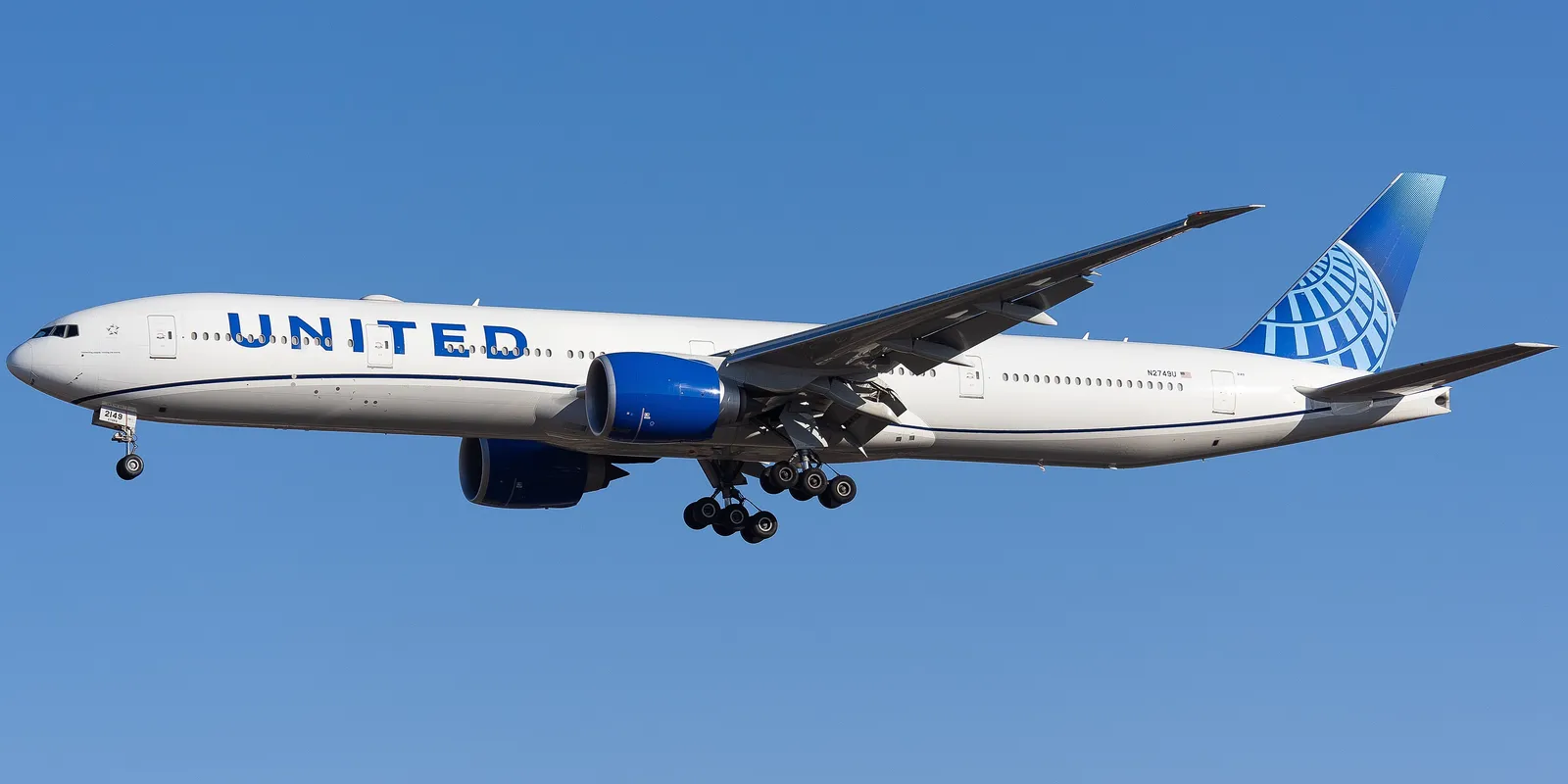
United Airlines, the Seven-Hub Network: Fleet, Polaris and What Passengers Say
With roots dating back to 1926 and its current form taken in 1931, United Airlines is headquartered in Chicago and is among the founding members of Star Alliance. After the merger with Continental in 2010, it operates seven hubs in the United States — Chicago O'Hare, Denver, Houston, Los Angeles, San Francisco, Newark and Washington Dulles — more than any other major American carrier.
History and positioning
The merger with Continental Airlines in 2010 redrew the map of today's hubs, bringing Newark and Houston to a network that already included Chicago, Denver, Los Angeles and San Francisco. Under CEO Scott Kirby, the airline is pursuing an aggressive long-haul growth strategy known as "United Next," betting on new widebodies to expand the intercontinental network faster than its two big direct competitors.
With roots dating back to 1926 and its current corporate form taken in 1931, United is among the founding members of Star Alliance, a membership that today guarantees codeshare connections with dozens of partner carriers around the world.
The fleet
The fleet includes Boeing 737s (800, 900 and MAX versions) on short and medium haul, alongside Airbus A319s and A320s partly inherited from the integration with Continental, while long-haul relies on 757s, 767s, 777s and 787 Dreamliners: a more heterogeneous mix than its direct competitors, but also more flexible in assigning routes according to demand.
Routes and network
The seven-hub network — Chicago O'Hare, Denver, Houston, Los Angeles, San Francisco, Newark and Washington Dulles — guarantees the most extensive transpacific presence among the big US carriers, with gateways such as San Francisco, Los Angeles and Guam, reinforced by Star Alliance connectivity for international connecting flights to Asia, Europe and Oceania.
On board
The long-haul Business class Polaris offers fully flat seats and a dedicated amenity kit, while Economy Plus guarantees more legroom in economy than the standard cabin. The introduction of satellite Wi-Fi based on Starlink is improving onboard connectivity that in the past was judged inconsistent compared with competitors, especially on long-haul flights where connection quality weighs more on the overall experience.
What passengers say
- Broader international network among the big American carriers thanks to the seven-hub structure.
- Polaris Business product appreciated on long-haul widebody flights.
- Perceived improvement in Wi-Fi connectivity with the gradual switch to Starlink.
What they flag as problems
- Delays that spread easily from Newark and Chicago during winter disruptions.
- Economy cabin density criticized on some narrowbody configurations.
- Recurring devaluations of the MileagePlus loyalty program in recent years.
United works well for those who need broad international connectivity through US hubs, in particular in Polaris Business on long-haul. It is less suitable for those who have a tight connection on a domestic narrowbody flight at Newark or Chicago in the winter months, when weather delays spread more easily than at the airline's western hubs. For a winter connection at these two airports, it is wise to allow a margin greater than the minimum permitted by the booking system.
You might also like...

Svolvær Helle Airport: where to stay, areas and recommended hotels
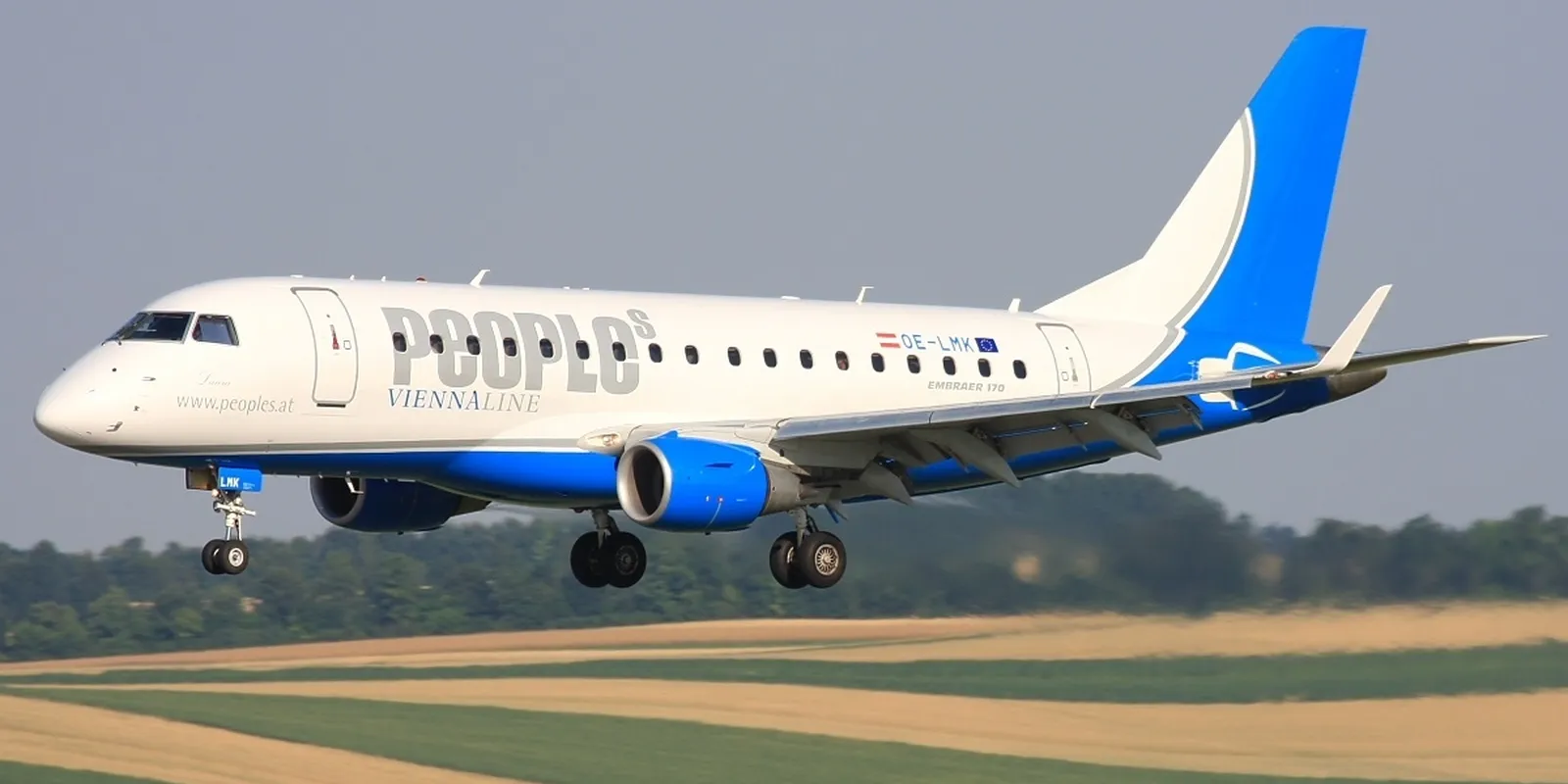
People's Viennaline: The Tiny Austro-Swiss Airline and the Routes It Really Flies

Bremen Airport: where to stay, areas and recommended hotels
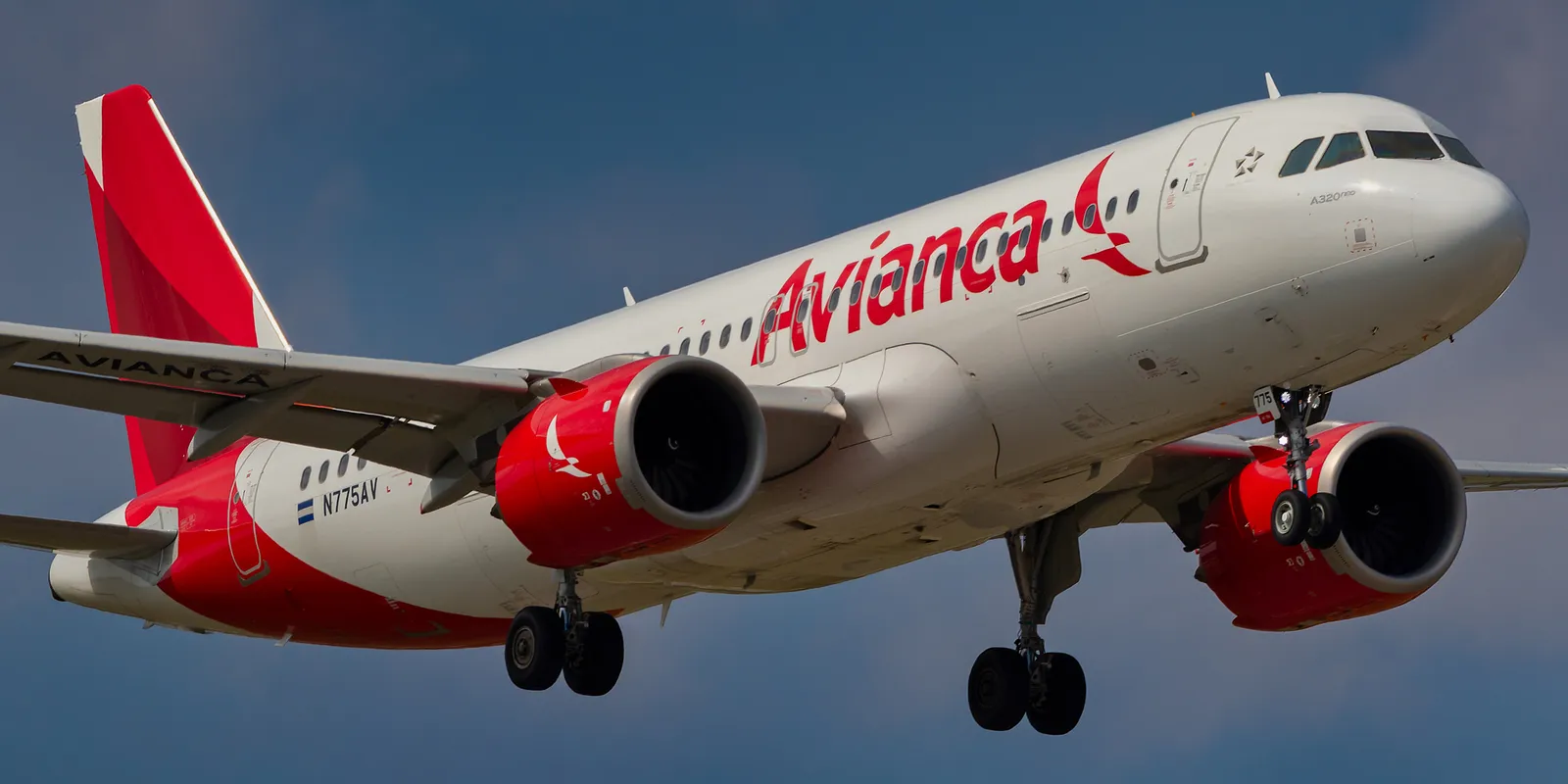
Avianca El Salvador: The TACA Legacy Within the Avianca Group

Flight delay: when you're entitled to compensation
