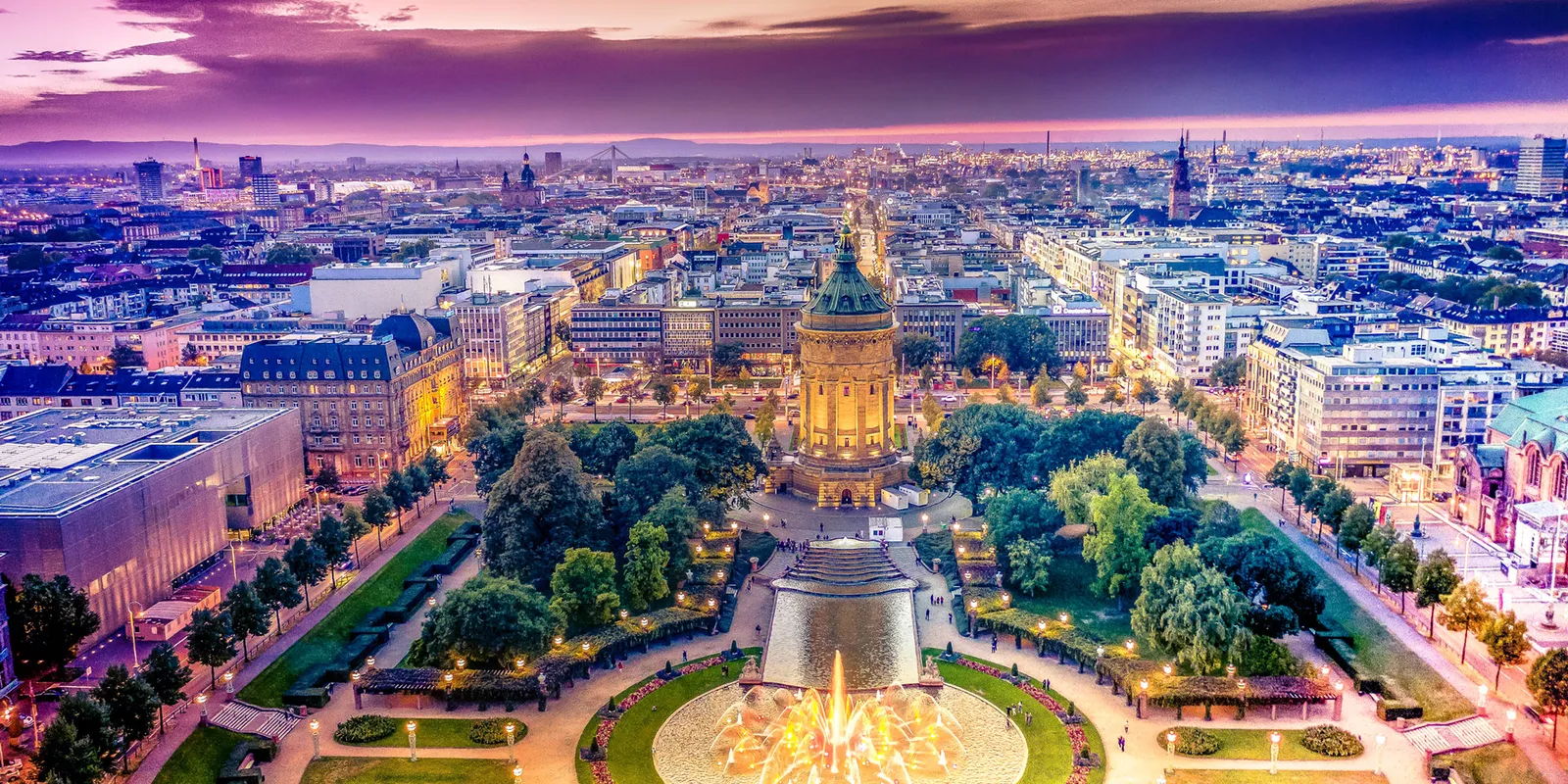

Mannheim: the chessboard city
The only large German city planned according to a numbered grid system instead of street names, Mannheim also invented the first bicycle in history.
The center, unique in Germany for its checkerboard layout, is comfortably explored on foot.
The historic center of Mannheim is divided into alphanumeric squares instead of traditionally named streets, a unique urban planning system throughout all of Germany.
A short walk away, the Electoral Palace, among the largest Baroque residences in Europe, houses part of the university today.
Continuing on, you visit the Technical Museum of Mannheim, which displays a replica of the first bicycle in history, invented right here by Karl Drais in 1817.
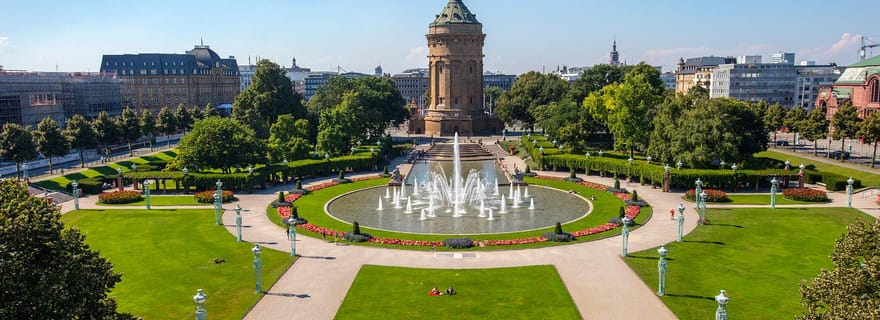
Toward evening, the water tower of Wasserturm, surrounded by nineteenth-century gardens, remains the most photographed city symbol at sunset.
Mannheim's system of alphanumeric squares, introduced in the seventeenth century during the city's reconstruction, remains a unique case of urban planning throughout Germany, often confusing visitors accustomed to street names.
Karl Drais, inventor of the first bicycle, called it the 'draisine' and presented it in Mannheim in 1817 as an alternative to the horse after a famine made hay expensive.
Guided tours and experiences in Mannheim
Related articles

You might also like...
A Day in Hahn, Germany
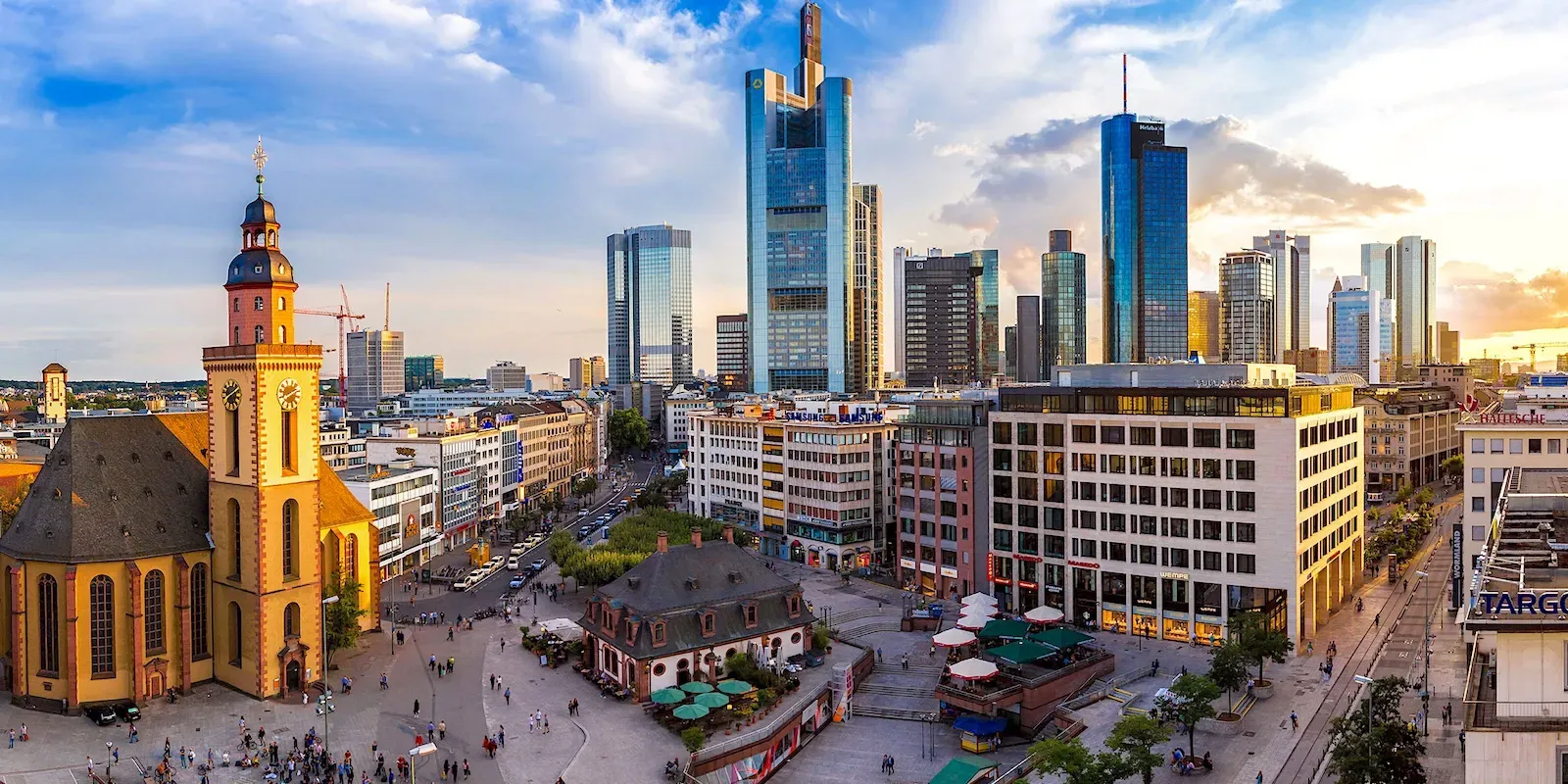
Frankfurt: what to see in 1 day

How to sleep better during a flight

Castres-Mazamet Airport: where to stay, areas and recommended hotels

Skellefteå Airport: where to stay, areas and recommended hotels