Menorca: from talayotic tombs to turquoise coves
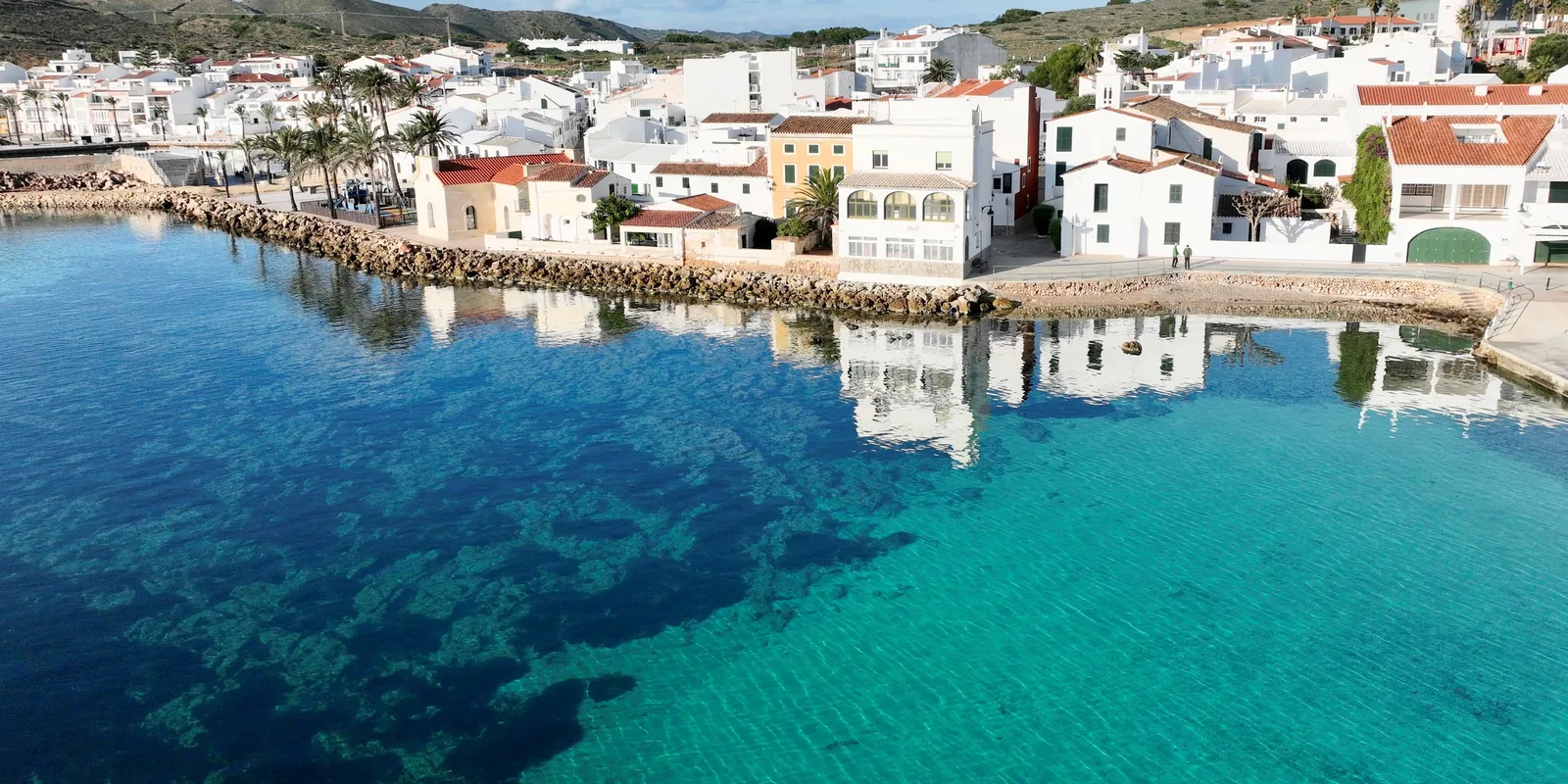
A UNESCO Biosphere Reserve since 1993, Minorca alternates prehistoric sites among Europe's oldest with turquoise coves that have remained less developed than the nearby Majorca and Ibiza.
A rental car remains the most practical way to cross the island in a day.
In the natural harbor of Mahon, among the world's largest, the eighteenth-century British legacy is still recognized in the local gin tradition, introduced by the English occupants of that era.
Crossing the island westward you encounter the Naveta d'Es Tudons, a tomb chamber shaped like an inverted boat dating back about three thousand years, among the oldest structures still standing in Europe.
Continuing you reach Ciudadela, the island's capital until the arrival of the English, with a Gothic cathedral built over an ancient mosque and alleyways with a distinct Moorish flavor.
In the late afternoon, the turquoise waters of Cala Macarella, on the southern coast, offer one of the last swims of the day before returning.
The talayotic culture that built the Naveta d'Es Tudons left no written documents: much of what is known about its funeral customs is deduced only from objects found buried inside it.
Local gin, still produced according to eighteenth-century recipes, remains one of the few concrete legacies of British occupation that survived the island's passage under the Spanish crown.
Guided tours and experiences in Menorca Island

Related articles

You might also like...
Palma de Mallorca: cathedral and old town
24 hours in Barcelona: what to see

Presidente Castro Pinto International Airport: where to stay, areas and recommended hotels

Debrecen International Airport: where to stay, areas and recommended hotels

Alaska Airlines After the Hawaiian Acquisition: How the Fleet and Network Are Changing and What Passengers Say