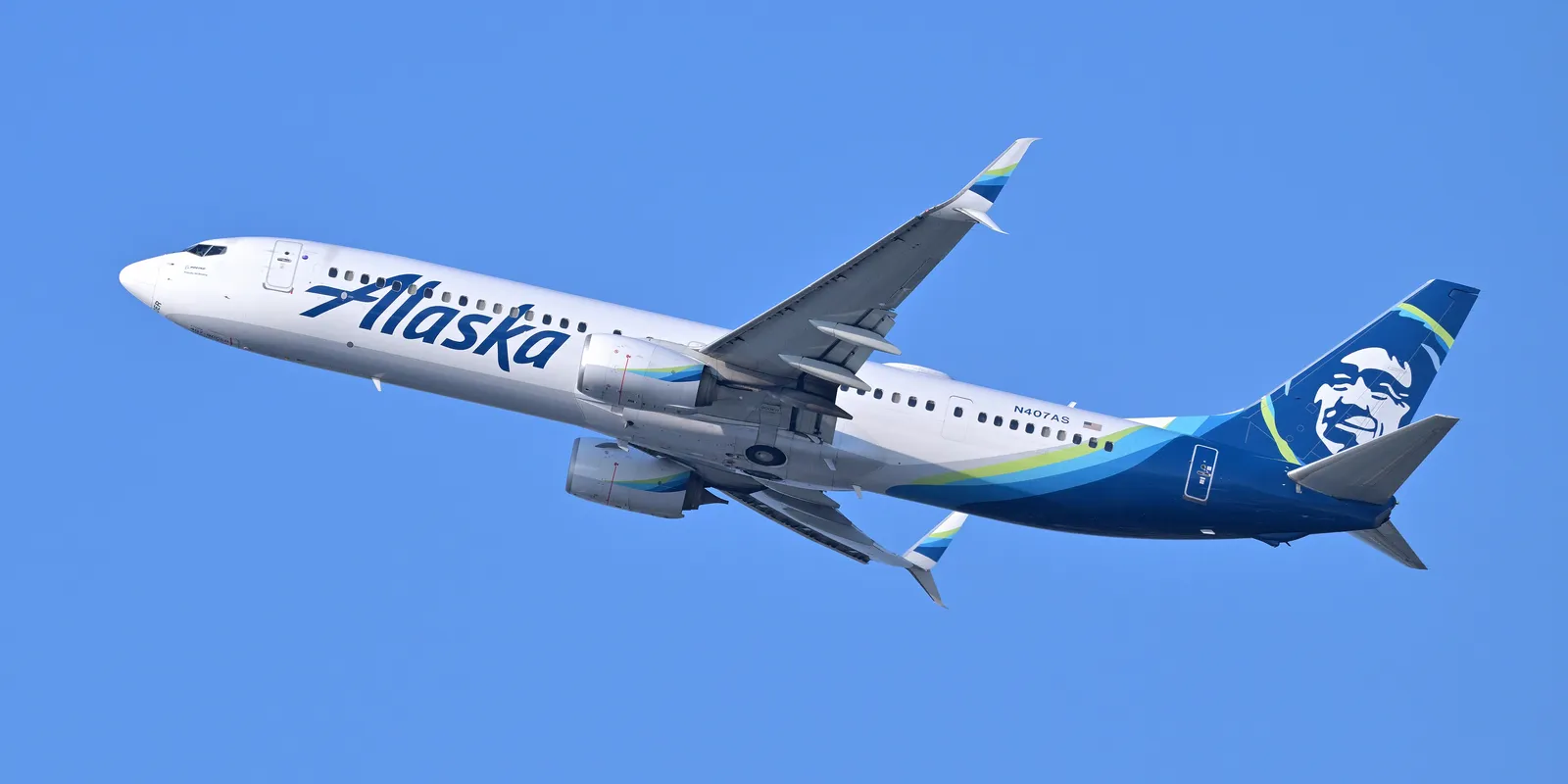
Alaska Airlines After the Hawaiian Acquisition: How the Fleet and Network Are Changing and What Passengers Say
Alaska Airlines, founded in 1932 and with its main hub in Seattle, became the owner of Hawaiian Airlines in September 2024 in a $1.9 billion acquisition: the most significant event of its recent history, which is reshaping the fleet, network and loyalty program of the combined group. Alaska also remains a strategic partner of American Airlines and belongs to the oneworld alliance, a membership that now extends to Hawaiian as well.
History and positioning
Born as a small regional carrier in Alaska, the airline grew to become one of the main carriers on the US West Coast, with a positioning midway between a traditional carrier and a disciplined low-cost one. The acquisition of Hawaiian required a single operating certificate, reached in September 2025, a unified loyalty program from October and a single passenger service system completed the following April: an integration that CEO Ben Minicucci has called a "solid B", ahead of schedule on financial targets but still behind on workforce harmonization.
The fleet
The Alaska fleet remains based on recent-generation Boeing 737s for short and medium haul, while Hawaiian brings with it a fleet of about 24 Airbus A330-200s dedicated to the link between the mainland and the Hawaiian islands. The long-term strategy provides for long-haul jet flying under a single brand to converge on the Boeing 787 operated by Alaska from Seattle, while Hawaiian's A330s will remain in service for several more years before gradual replacement.
Routes and network
The acquisition has substantially expanded travel options for Hawaii residents, connecting them to Alaska's international network, while the Hawaiian network adds to the group the transpacific routes to Asia and Oceania that Alaska alone did not cover.
On board and loyalty program
The loyalty program was unified in the October following the closing, integrating Hawaiian members within the Alaska scheme: Hawaiian's entry into oneworld is expected during 2026, a step that will complete the alignment of the two airlines in the same alliance.
What passengers say
Reviews remain largely divided by brand, with Alaska judged on mainland service and Hawaiian on service to the islands.
- What passengers like: Alaska's historically good punctuality on the West Coast, expanded options for earning and redeeming miles after the unification of the programs, continuity of service to Hawaii during the transition.
- What worries them most: uncertainty over the timing of completing the workforce integration, among the points Alaska itself has described as still to be resolved; frequent questions about the future fate of the Hawaiian brand once the merger of systems is complete.
Alaska Airlines is a good choice for those who fly regularly on the US West Coast or to Hawaii and want to benefit from the combined network and the loyalty program unified with the Hawaiian group. It is less suitable for those looking today for a long-haul experience to Asia operated directly by Alaska, since that part of the network remains for the moment under the Hawaiian brand and fleet. Anyone with miles or status accumulated with Hawaiian should periodically check the conversion terms into the Alaska program, because the integration of the two loyalty schemes is a process still under way.
You might also like...

Bahamasair: The ATR and Boeing Fleet of the Bahamas' Flag Carrier
People's Viennaline: The Tiny Austro-Swiss Airline and the Routes It Really Flies

Changi lounges: which one to choose in each terminal

Launceston Airport: where to stay, areas and recommended hotels

Airline alliances and miles: how to travel in business class
