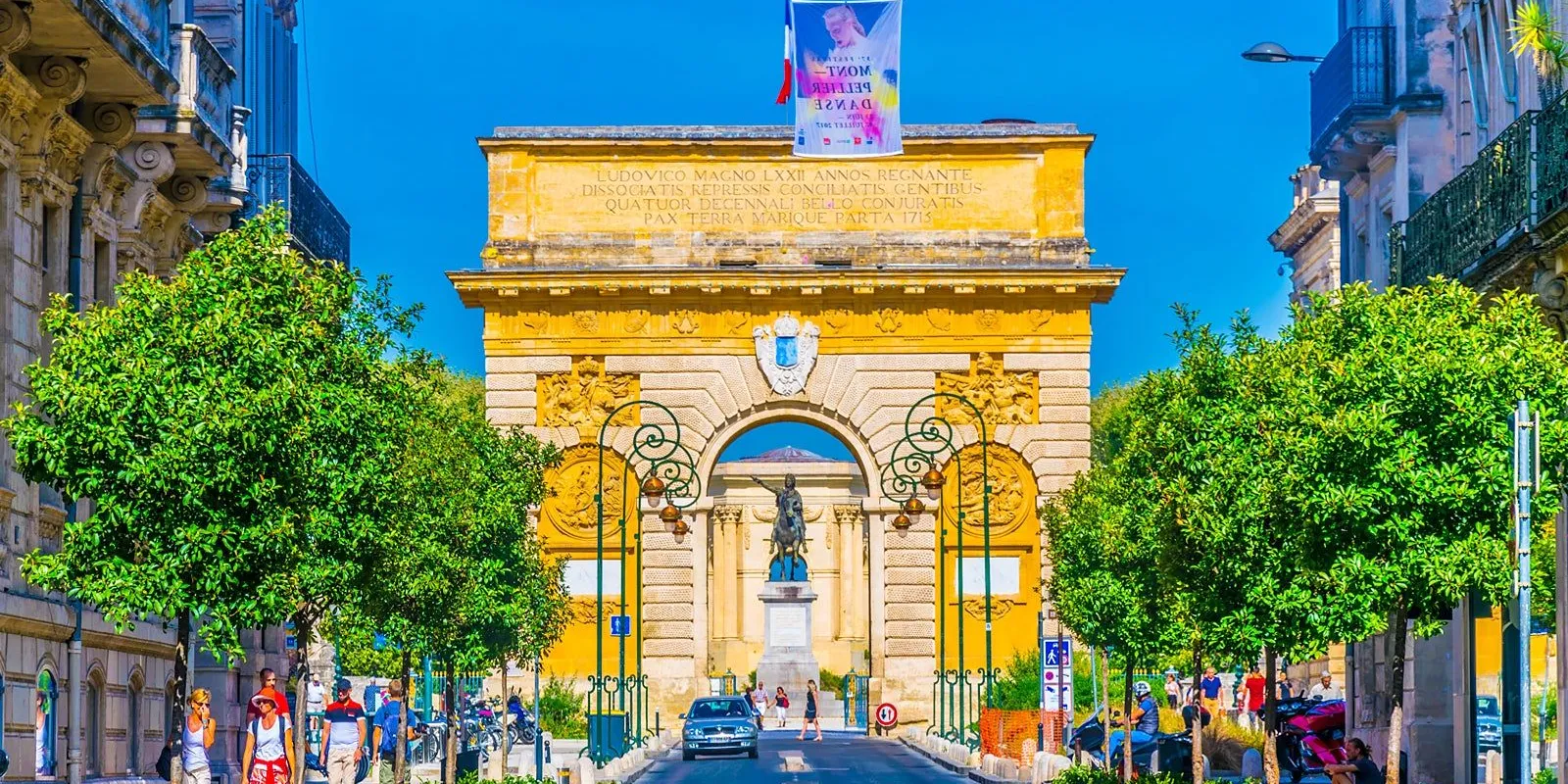

Montpellier: the city without a medieval centre
Founded only in the tenth century without Roman origins, Montpellier built its fame around one of Europe's oldest continuously active medical faculties.
The center is explored on foot, while artistically colored trams connect distant neighborhoods.
Founded in 1220, the Faculty of Medicine of Montpellier is among Europe's oldest still active, and its adjoining botanical garden, the oldest in France, dates to 1593.
Just steps away, Place de la Comédie, a broad pedestrian square paved in light marble, remains the beating heart of city life.
Continuing on, you reach the local Arc de Triomphe, erected in the late seventeenth century in honor of Louis XIV, which introduces the suggestive Promenade du Peyrou.
Toward evening, the Antigone neighborhood, designed by Catalan architect Ricardo Bofill in the nineteen-eighties, displays a stark contrast between modern neoclassical architecture and the medieval historic center.
The university's botanical garden, founded in 1593, is the oldest still existing in France and continues to be used for scientific research as well as tourist visits.
The Antigone neighborhood, built entirely in contemporary neoclassical style, extends for nearly a kilometer along a straight axis connecting the historic center to the Lez River.
Guided tours and experiences in Montpellier

Related articles


You might also like...
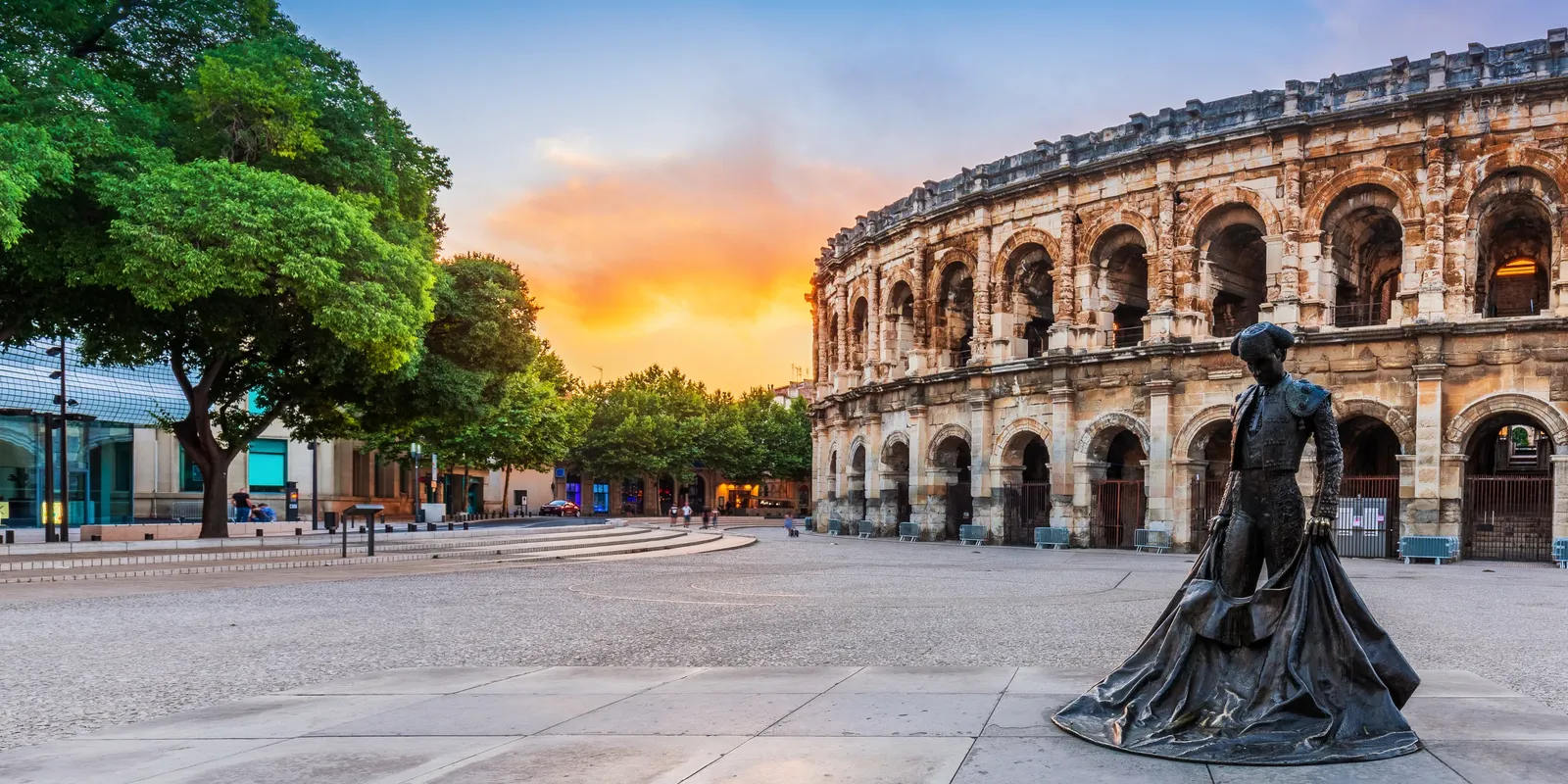
Nîmes: the Rome of France
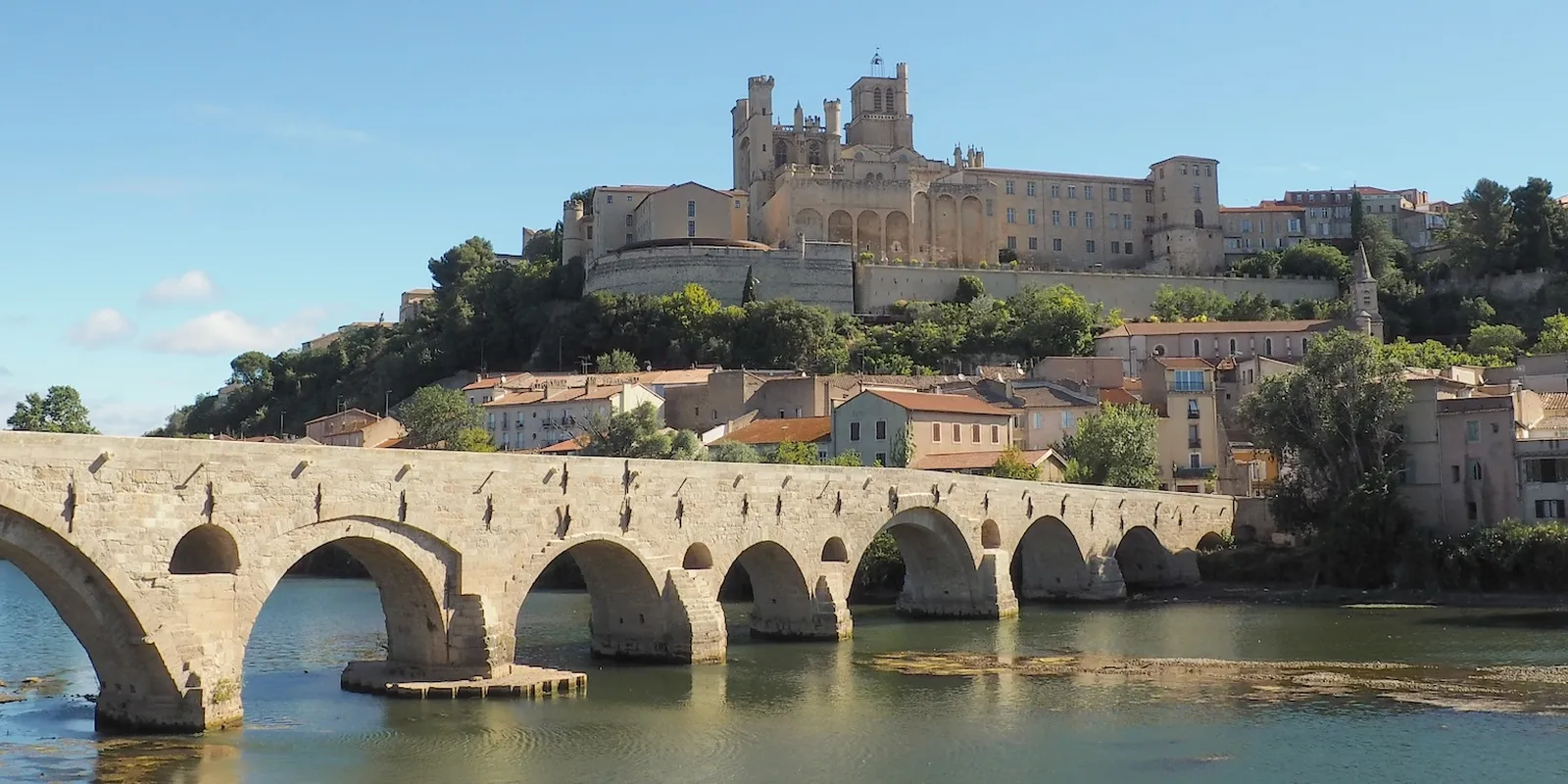
Béziers: the massacre that preceded peace

Liège Airport: where to stay, areas and recommended hotels

La Aurora Airport: where to stay, areas and recommended hotels

Shenzhen: which lounge to choose at Terminal 3