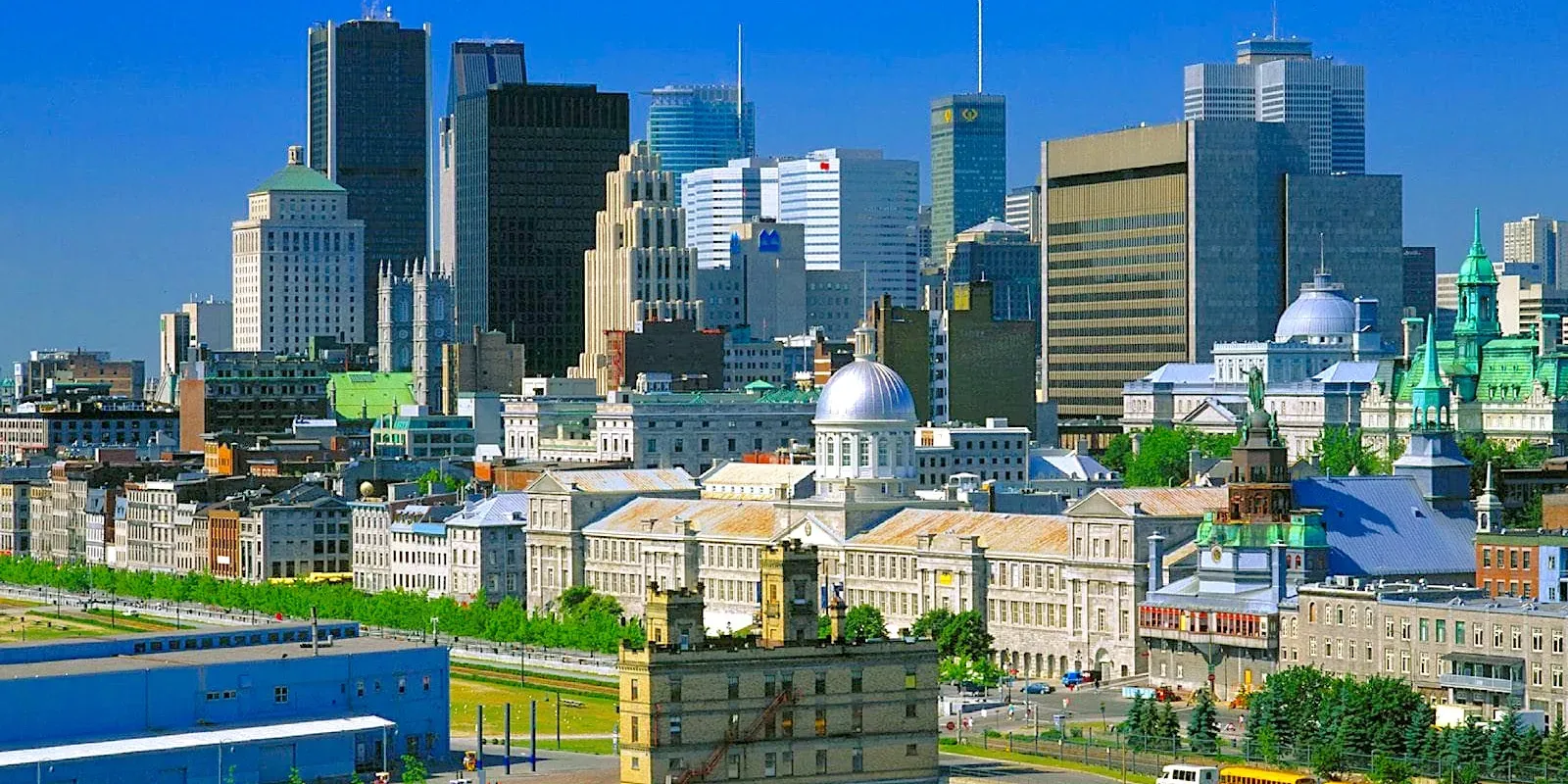

Montreal between Old Port and Mount Royal
One of the world's largest Francophone cities after Paris, Montréal alternates between seventeenth-century cobblestones in its historic quarter and an underground city that lets you cross downtown without stepping outside during winter.
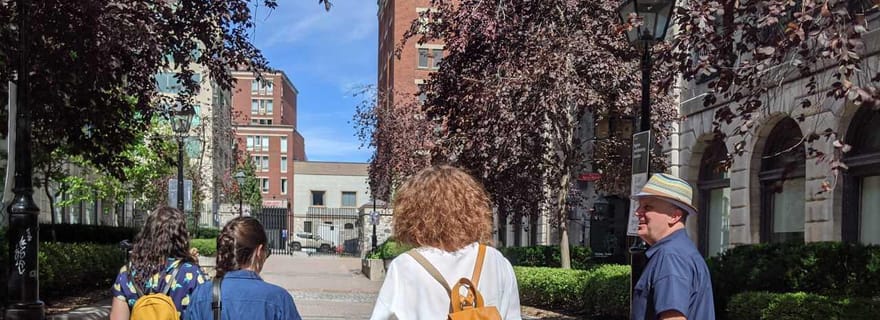
The historic center is explored on foot, while Mont Royal requires a short climb.
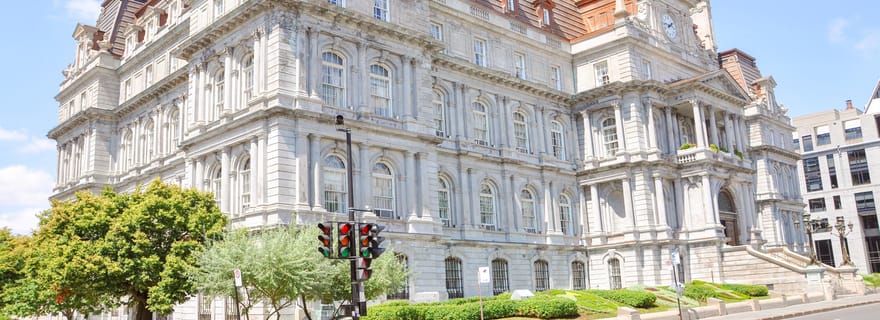
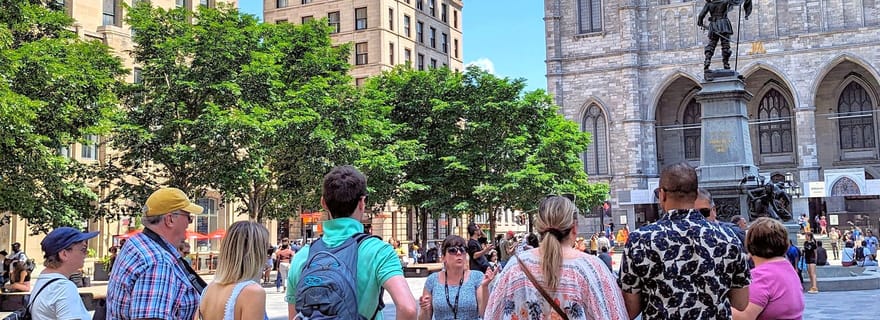
The Vieux-Montréal, a neighborhood founded in 1642, preserves gray-stone buildings along cobbled streets that slope down to the Old Port, today converted to a linear park along the Saint Lawrence River.
The Basilica of Notre-Dame, with its cobalt-blue neogothic interior dotted with gold stars, was completed in 1829 and remains today among North America's most photographed churches.
The Mont Royal, the wooded hill from which the city takes its name, was designed as a public park by Frederick Law Olmsted, the same landscape architect who designed Central Park in New York.
The Underground City, over thirty kilometers of climate-controlled pedestrian tunnels linking the subway, offices, and shopping centers, allows movement through downtown without ever facing Canadian winter cold.
The same architect who designed Central Park also designed the park on Mont-Royal — a detail few visitors notice while climbing breathlessly to the viewpoint.
The underground city, born from a winter that no open-air park can soften, shows a side of Montreal that has little in common with Central Park.
Guided tours and experiences in Montreal
Related articles

You might also like...
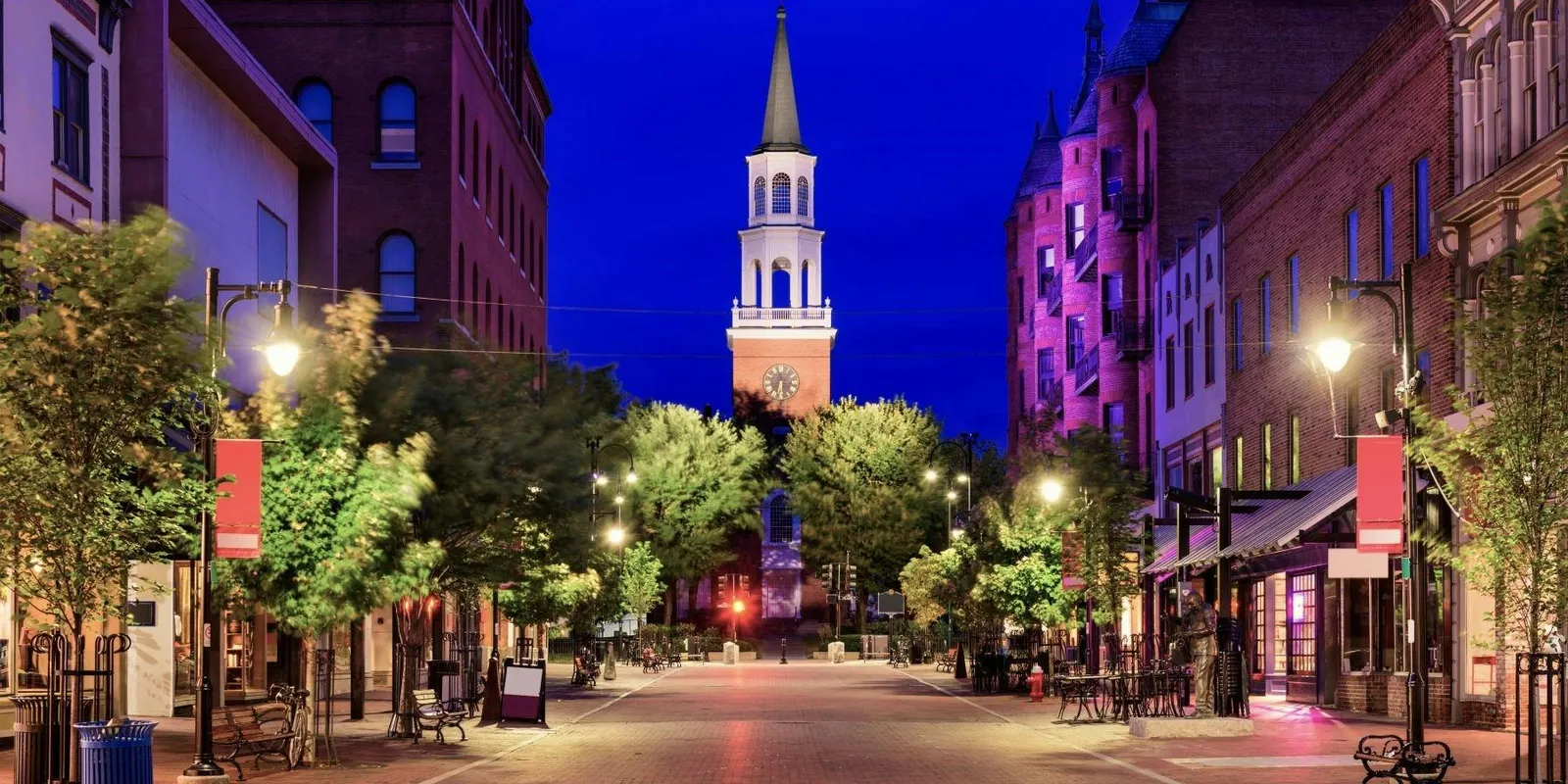
Burlington: the gateway to Lake Champlain
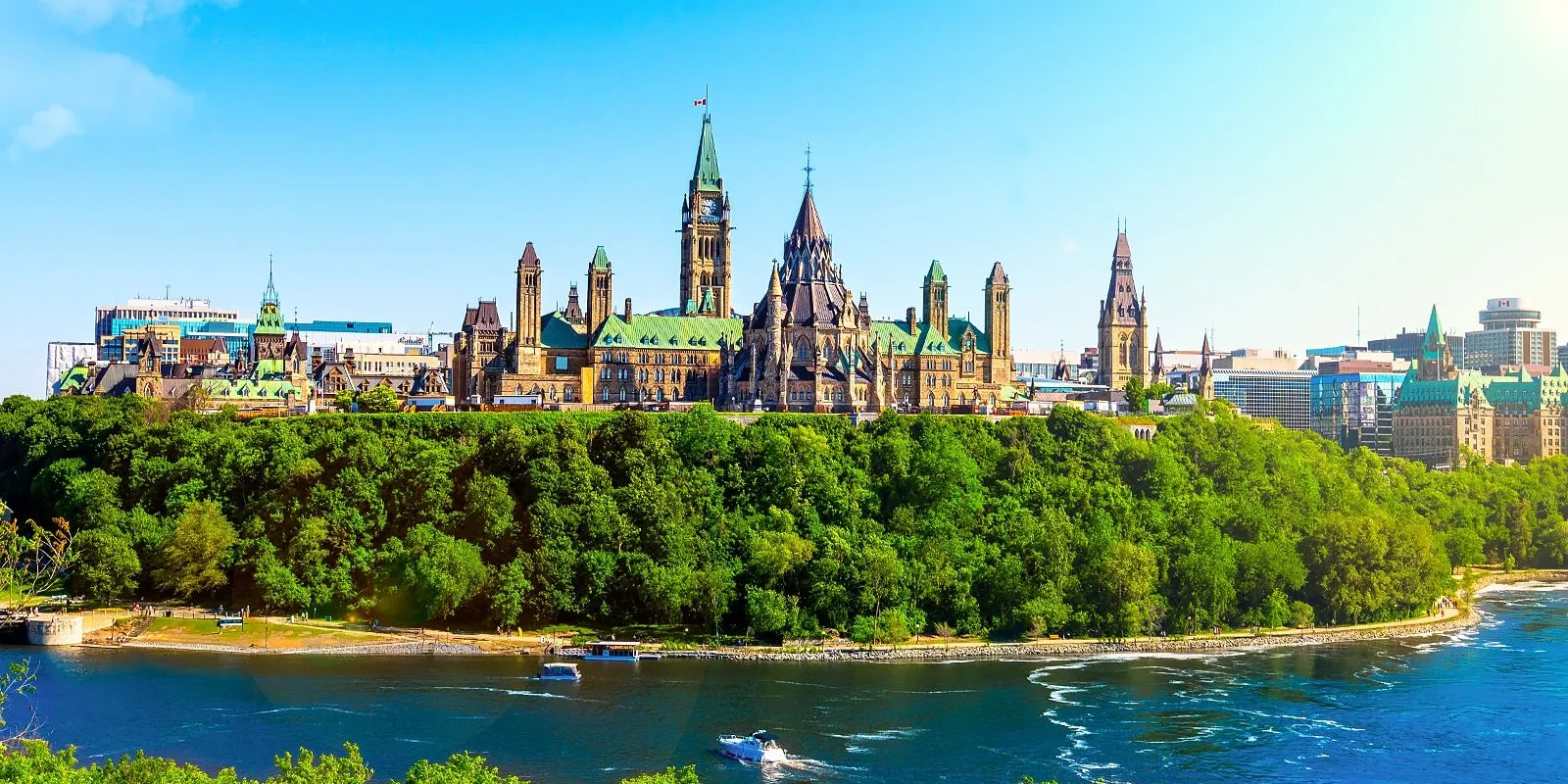
Ottawa: the capital on the frozen canal

Sønderborg Airport: where to stay, areas and recommended hotels

Moulay Ali Cherif Airport: where to stay, areas and recommended hotels
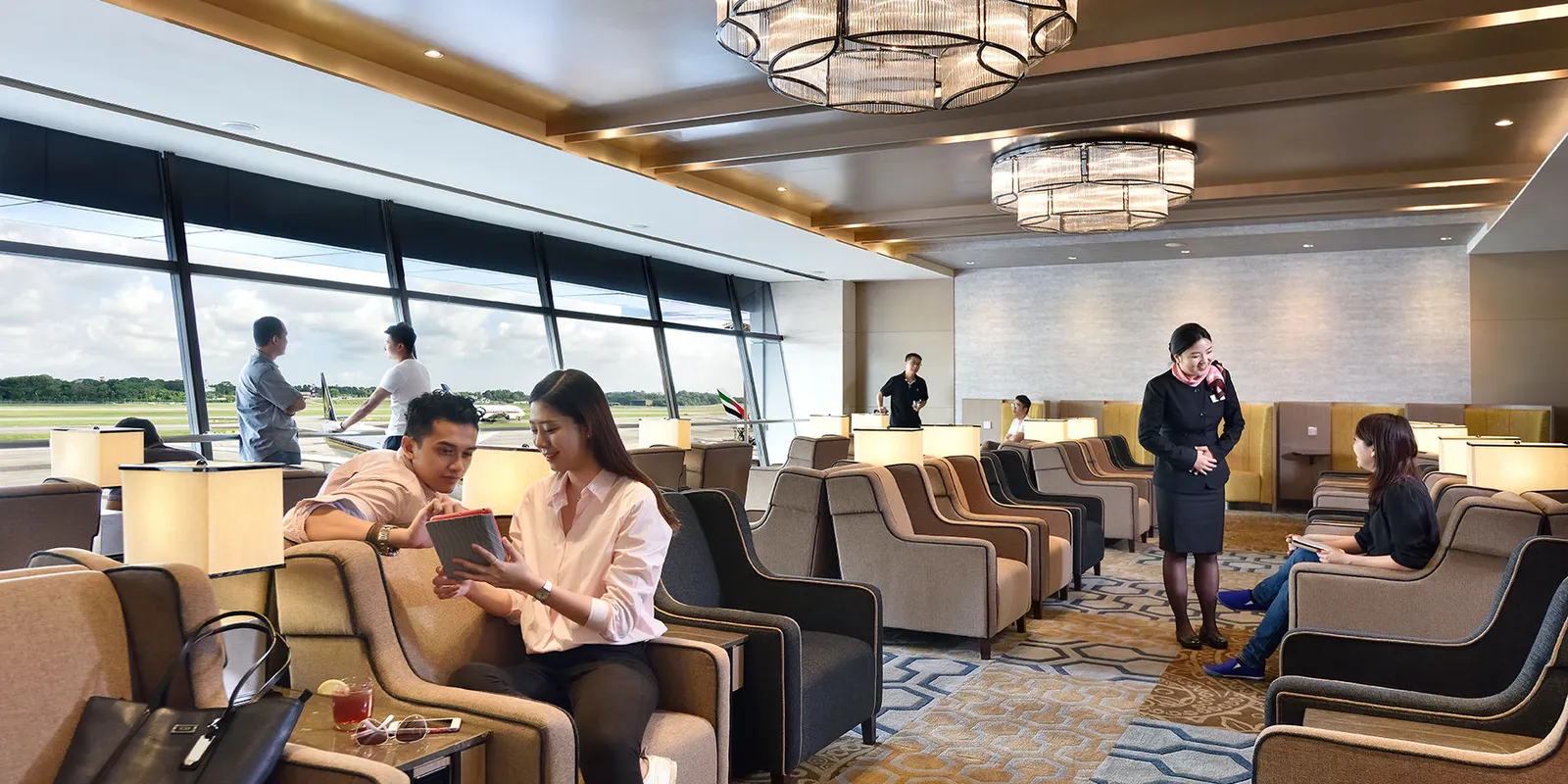
Changi lounges: which one to choose in each terminal