Muscat: Oman's white capital
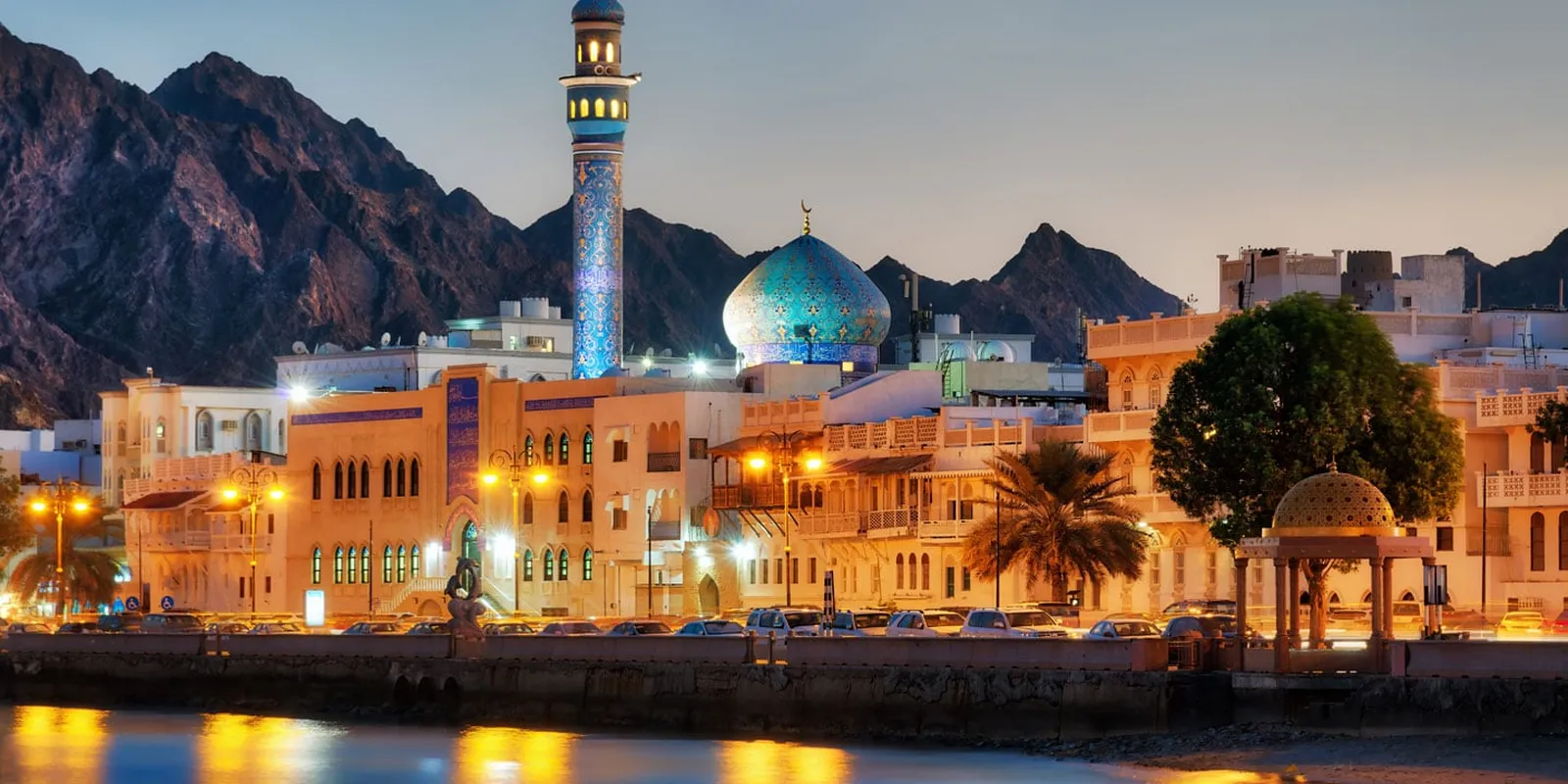
By law all buildings in Muscat must be painted white or light shades, an ordinance that gives Oman's capital a rare visual uniformity among major Gulf cities.
A car remains useful to travel between the different quarters of the city.
The Grand Mosque of Sultan Qaboos, completed in 2001, hosts one of the world's largest hand-woven Persian carpets and a Swarovski crystal chandelier fourteen meters tall.
A few minutes away, the Portuguese forts of Al Jalali and Al Mirani, from the sixteenth century, still watch over the entrance to Muscat's old harbor.
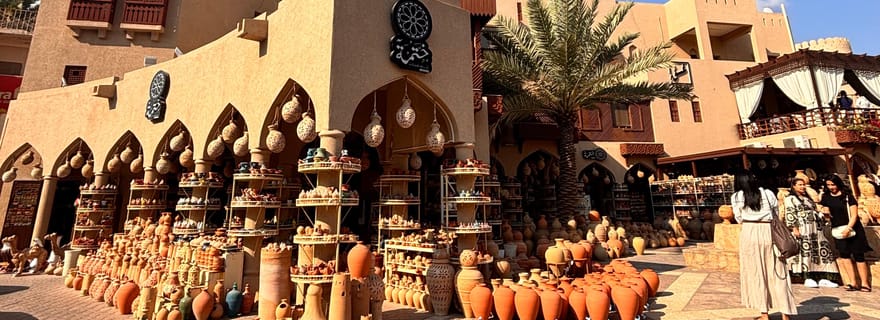
Continuing on, one visits the Muttrah Souk, a covered market selling incense, silver and spices in a maze of corridors active for centuries.
In the evening, the Muttrah Corniche, a curved waterfront facing the harbor, glows with the lights of historic forts and nearby mosques.
The ordinance imposing white color on public and private buildings in Muscat reflects an urban policy desired by the Sultan to maintain a coherent visual identity throughout the capital.
The incense sold in the Muttrah Souk comes from the Dhofar region in southern Oman, where the tree from which the aromatic resin is derived has been grown since ancient times.
Guided tours and experiences in Muscat
Related articles

You might also like...
Fujairah: the emirate facing the Indian Ocean
Al-Ain: the green oasis in the Emirati desert
Brussels-Zaventem lounges, pier by pier: which ones you can get into

Salalah Airport: where to stay, areas and recommended hotels

Conakry Airport: where to stay, areas and recommended hotels