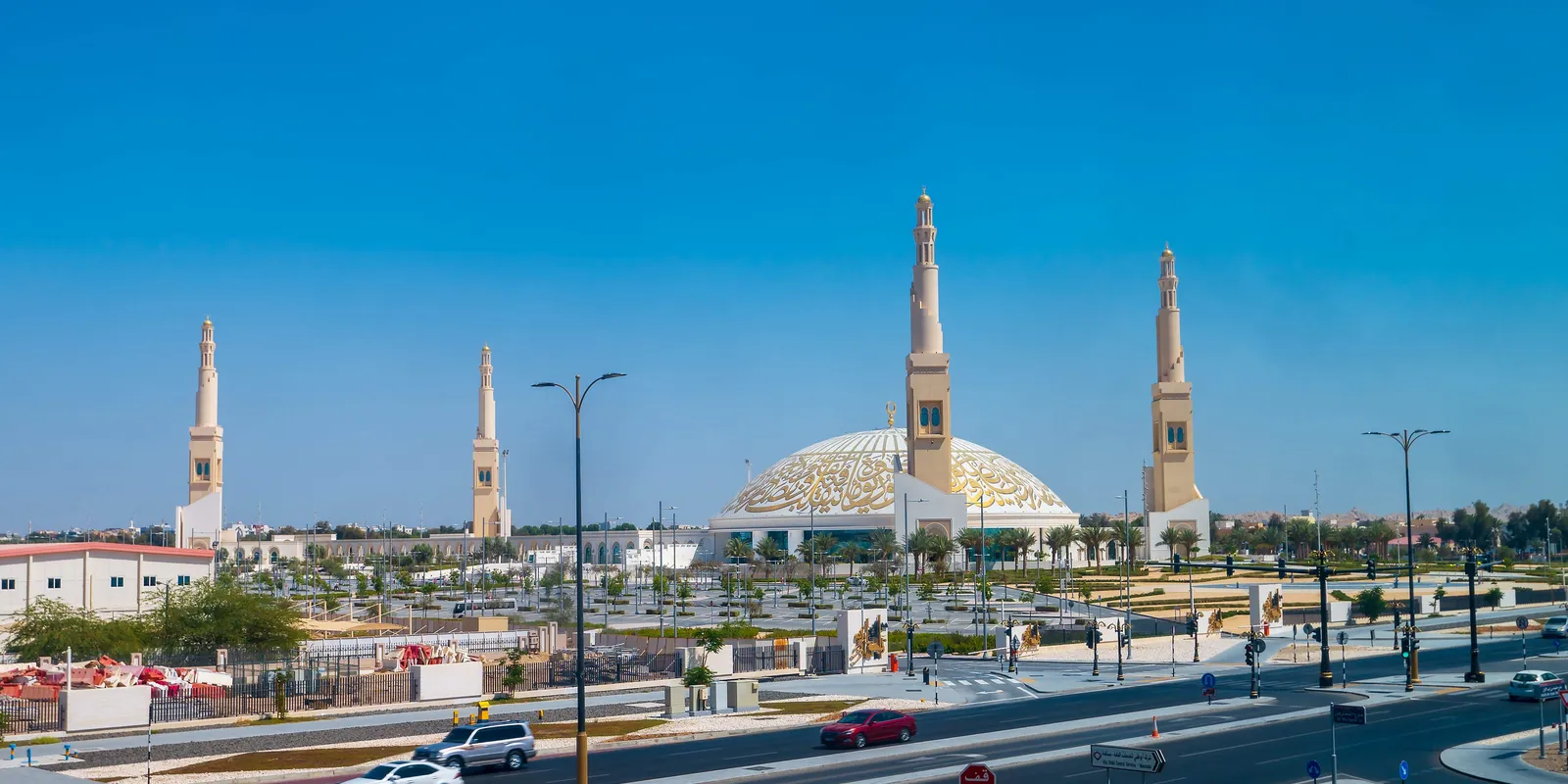

Al-Ain: the green oasis in the Emirati desert
Birthplace of the UAE's founding sheikh, Al-Ain houses a UNESCO World Heritage oasis cultivated continuously for millennia.
A car remains necessary to explore the city and surroundings.
The Al-Ain Oasis, a UNESCO World Heritage site, preserves over one hundred forty thousand date palms irrigated by an ancient water system called falaj, in use for millennia.
Minutes away, the Al Jahili Fort, built in the nineteenth century to protect the oasis, today houses a museum dedicated to British explorer Wilfred Thesiger.
Heading toward the Omani border one can climb Jebel Hafeet, a mountain offering panoramic views of the entire oasis and surrounding desert.
As evening falls, the National Museum of Al-Ain recounts the archaeological history of the region, with artifacts dating to the Bronze Age.
Al-Ain's falaj irrigation system, which channels groundwater through channels carved millennia ago, remains actively used today and was recognized by UNESCO as a World Heritage site in 2011, along with the entire oasis.
Jebel Hafeet holds tombs dating back over five thousand years, among the oldest evidence of human settlement on the entire Arabian Peninsula, now studied by international archaeologists and partially open to visitors.
Related articles


You might also like...

Dubai in a day: what to see
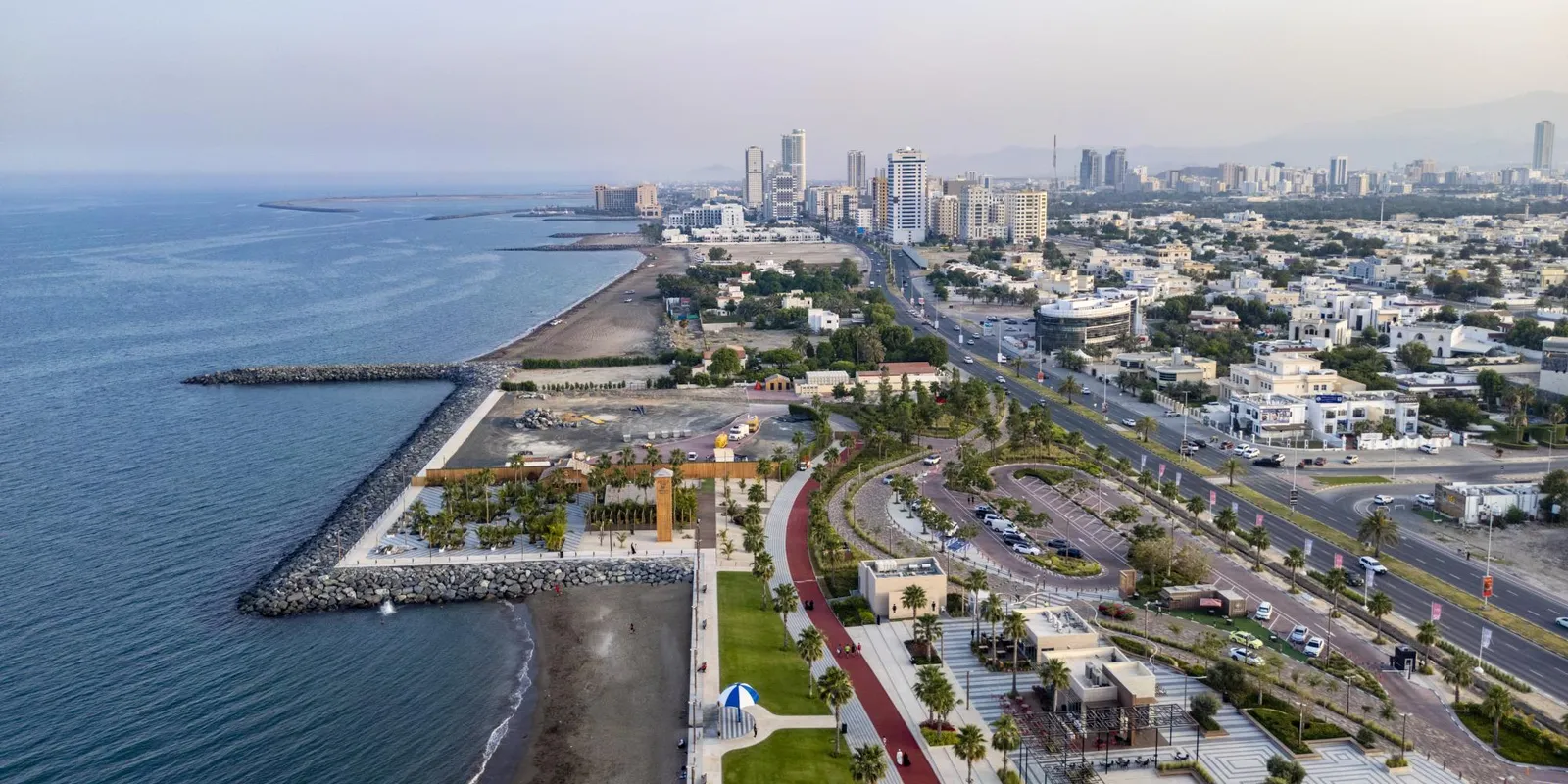
Fujairah: the emirate facing the Indian Ocean

Mombasa Moi International Airport: where to stay, areas and recommended hotels

Karlstad Airport: where to stay, areas and recommended hotels

Sheremetyevo: which lounge to choose among B, C and D