
Perugia: the city buried beneath the Rocca Paolina
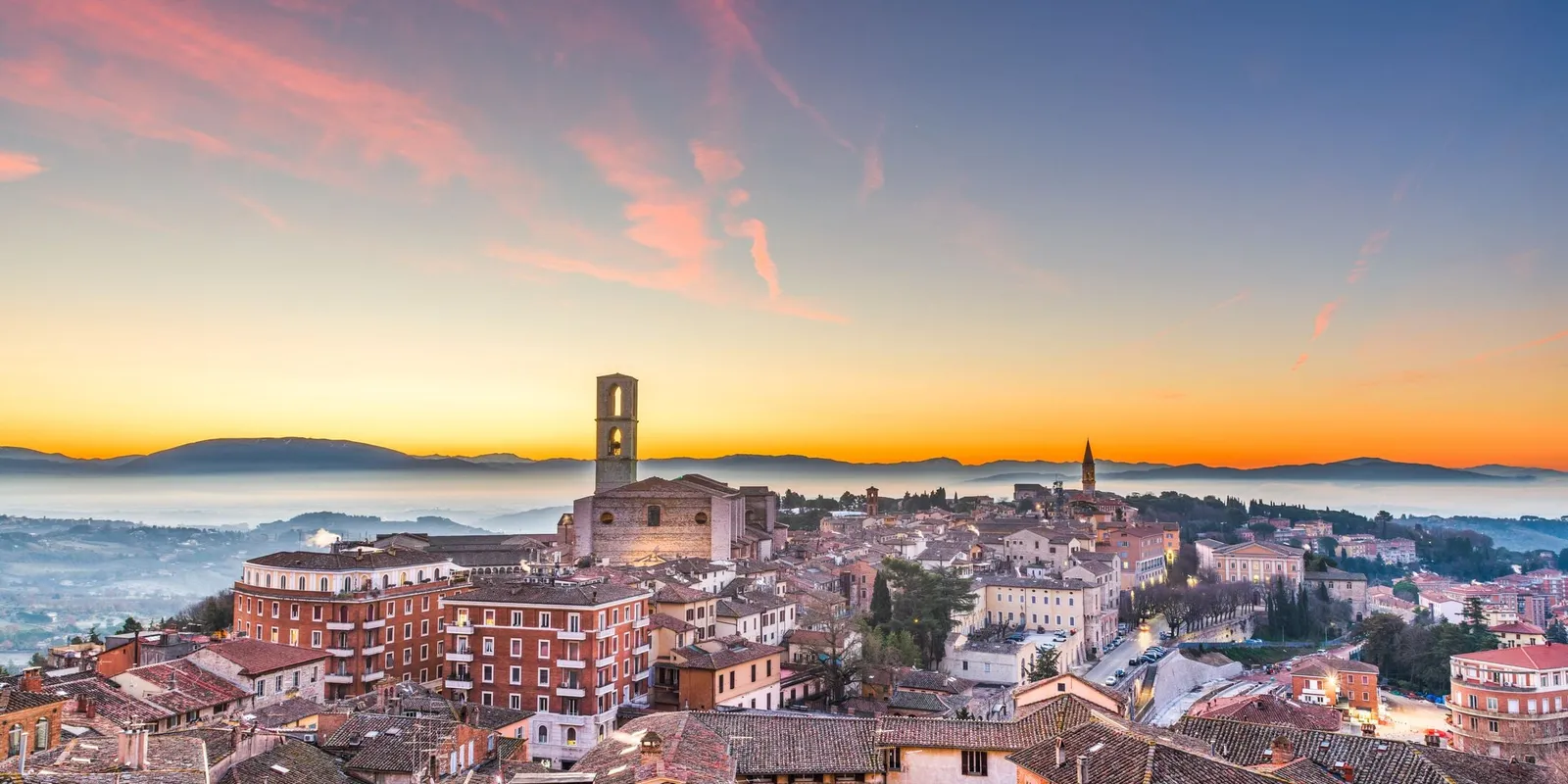
The capital of Umbria perched on a hill, Perugia hides beneath a sixteenth-century fortress an entire medieval neighborhood deliberately buried by papal power.
The historic center can be explored on foot, often with the help of escalators.
On Piazza IV Novembre, the Fontana Maggiore, sculpted in 1278 by Nicola and Giovanni Pisano, overlooks the Palazzo dei Priori, the historic seat of municipal government in Gothic style.
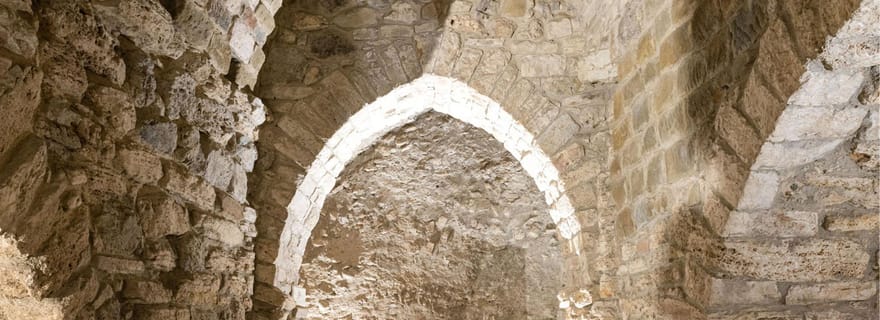
Descending by escalator you enter the Rocca Paolina, a fortress built by Pope Paul III in the 1540s after suppressing a civic revolt, constructed literally atop an entire medieval district that is still visible today.
Climbing back toward the outer edge of the center you encounter the Etruscan Arch, a city gateway dating to the third century BC, among the best-preserved Etruscan monuments in Umbria.
For those with time, just outside the city, the Perugina chocolate factory opens its doors for guided tours through chocolate and the famous Baci.
The streets and houses buried inside the Rocca Paolina were not destroyed but simply filled with earth and sealed: for the past few decades they have been accessible again, almost like walking through a photograph from the sixteenth century.
The uprising that led to the construction of the fortress, known as the "Salt War," arose from a protest against a new papal tax on salt, imposed in the very year of that defeat.
Guided tours and experiences in Perugia
Related articles

You might also like...
Ancona: the gateway to Monte Conero
Rimini: ancient Rome and the Adriatic riviera
Thai AirAsia: The Low-Cost Network Covering Thailand and Southeast Asia

Gaziantep International Airport: where to stay, areas and recommended hotels

Stockholm Västerås Airport: where to stay, areas and recommended hotels