
Plovdiv: seven thousand years of layered history
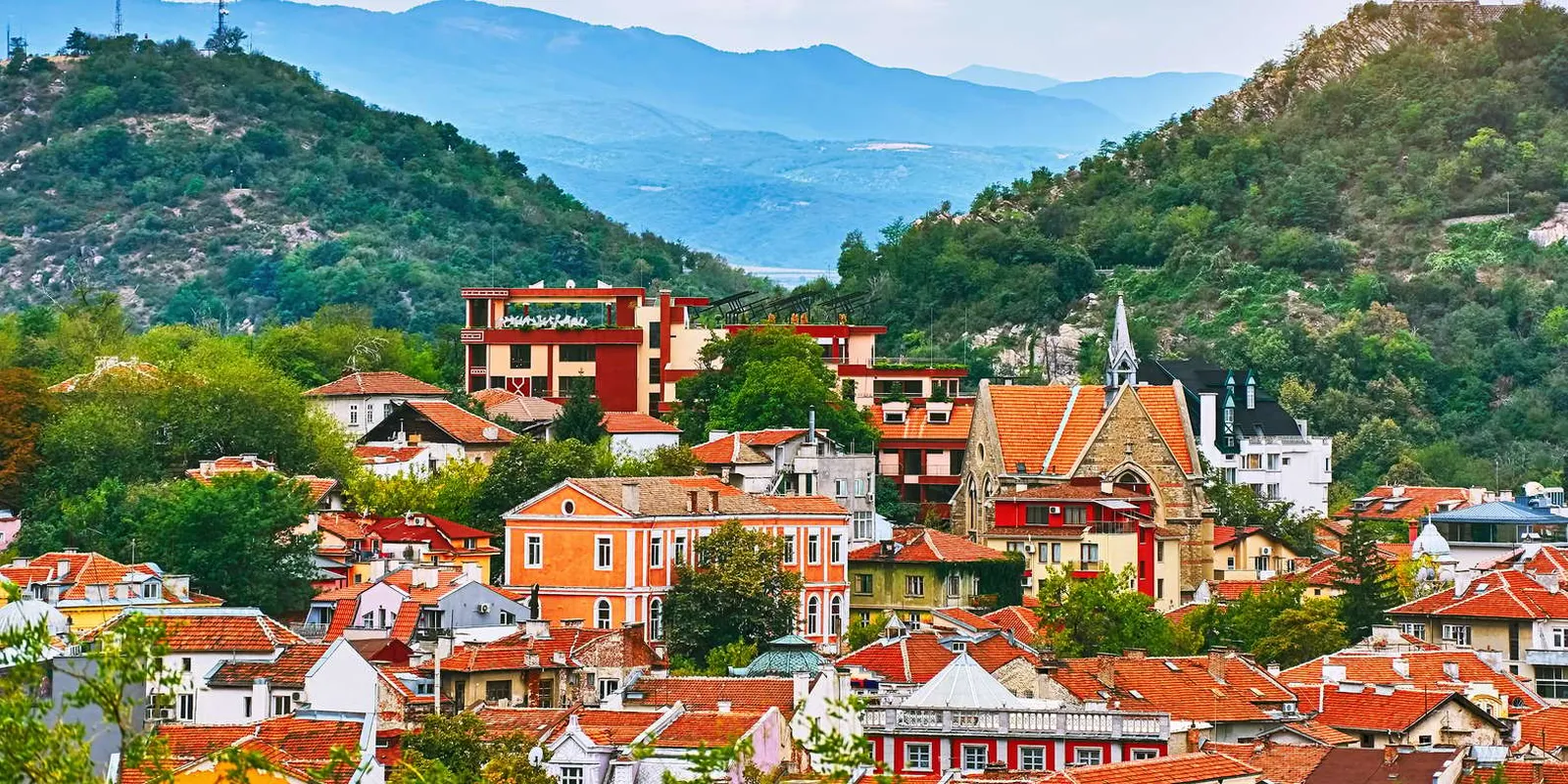
Among Europe's oldest cities still inhabited, Plovdiv overlays Roman, Ottoman, and nineteenth-century Bulgarian layers on seven hills in the heart of Thrace.
The center, layering seven thousand years of history, is comfortably explored on foot among Roman and Ottoman remains.
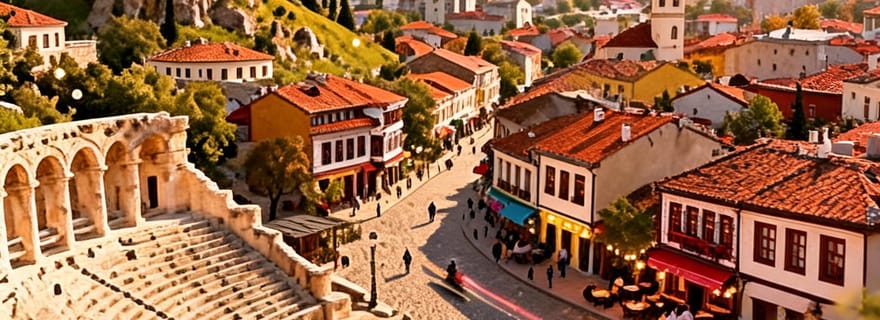
Built in the second century A.D., the Roman Theater of Plovdiv still hosts summer concerts with a view of the Rhodope Mountains in the background.
Walking down to the center you traverse the Old Town, where nineteenth-century houses in Bulgarian Renaissance style coexist with archaeological remains emerging among the uphill cobblestone streets.
Just steps away, the Djumaya Mosque, built in the Ottoman period over the remains of a Roman stadium, testifies to the city's religious stratification.
Toward evening, Kapana, a former craft quarter now reborn as a creative district, comes alive with galleries, cafes and small venues with live music late into the night.
Beneath the city's main square remain visible the remains of the Roman stadium on which the Ottoman mosque was later built, a rare case of three distinct periods layered atop each other in the same exact spot.
The name 'Kapana', which means 'trap' in Bulgarian, comes from the maze of narrow alleys in the district, once so intricate it would disorient anyone entering it for the first time.
Guided tours and experiences in Plovdiv
Related articles

You might also like...
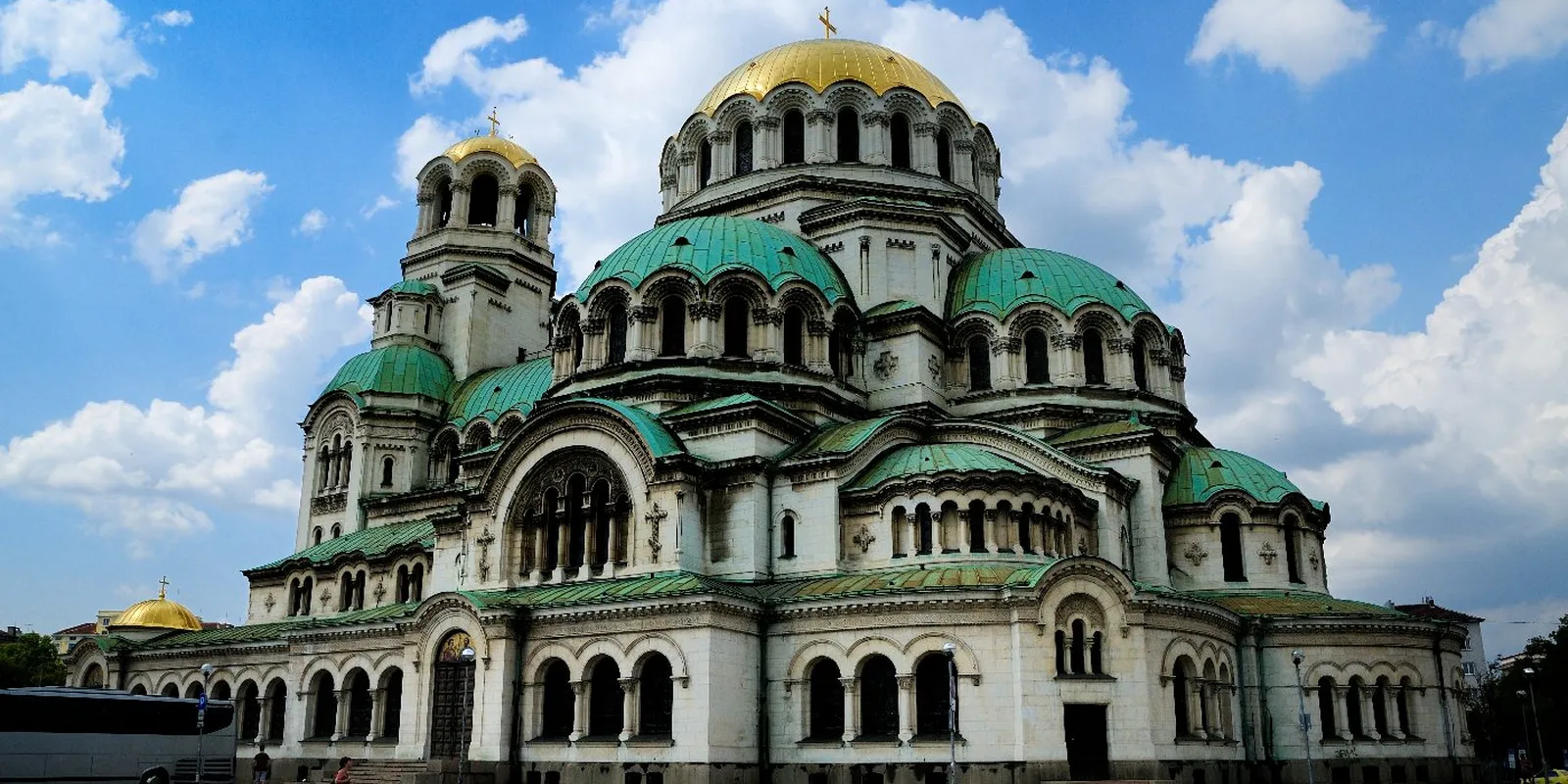
Sofia in a day: what to see
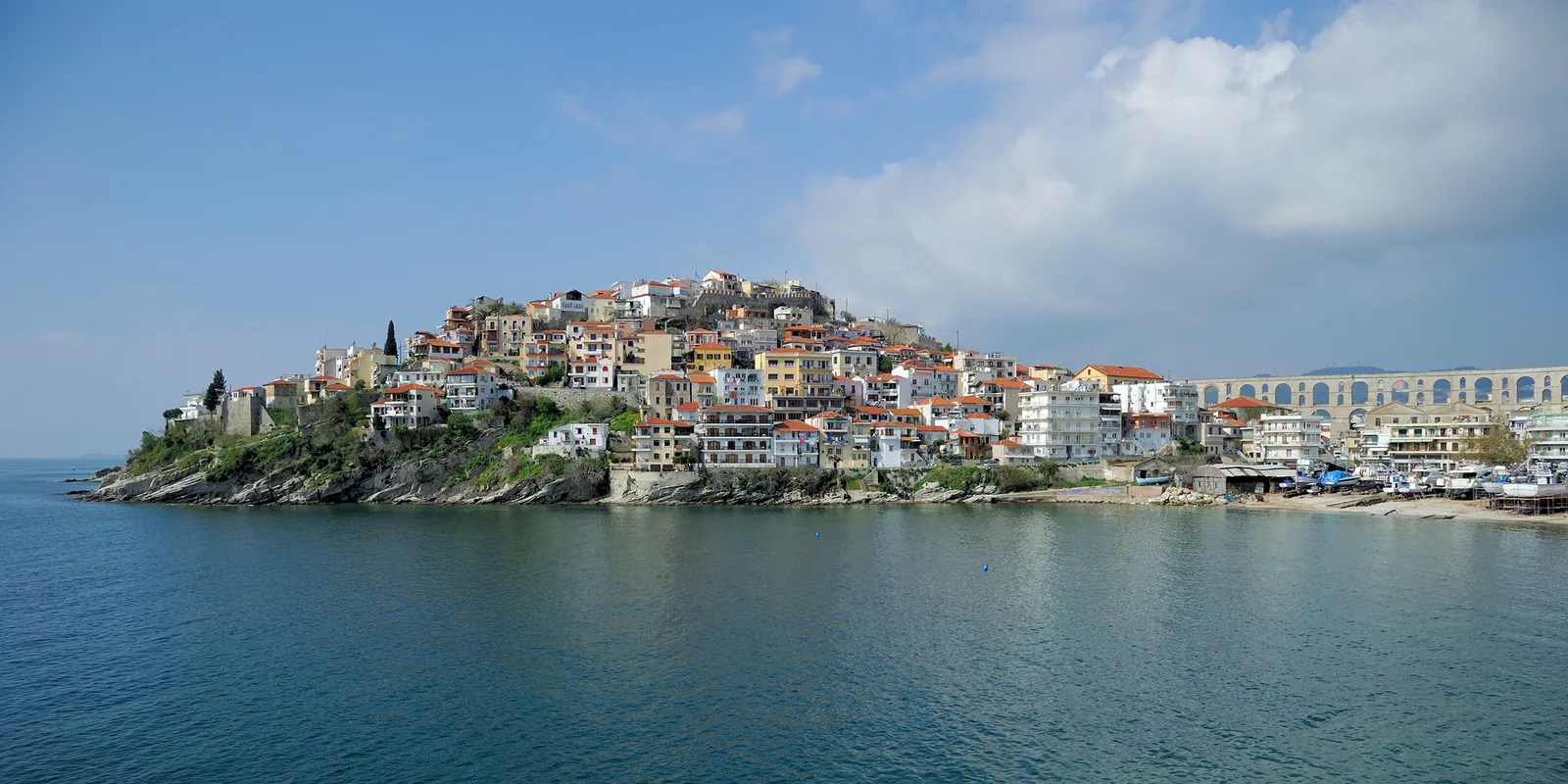
Kavala: the Byzantine port of Greek Macedonia

Heydar Aliyev International Airport: where to stay, areas and recommended hotels

Casper-Natrona County International Airport: where to stay, areas and recommended hotels

What not to do during security checks