Querétaro: where Mexico's independence treaty was signed
In Querétaro's UNESCO-listed colonial center, the treaty ending the Mexican-American War was signed in 1848.
The center, where Mexico's independence treaty was signed, is comfortably explored on foot.
The Aqueduct of Querétaro, with its seventy-four stone arches from the eighteenth century, remains one of Mexico's best-preserved colonial hydraulic monuments.
A short walk away, the Convent of Santa Cruz, where the peace treaty that ended the Mexican-American War in 1848 was signed, still preserves its original monastic cells.
Continuing, you walk through the colonial historic center, a UNESCO World Heritage site, among baroque plazas and pastel-colored mansions well preserved.
As evening falls, the Cerro de las Campanas, the hill where Emperor Maximilian of Habsburg was executed in 1867, offers a historical memorial and view over the city.
Emperor Maximilian of Austria, placed on the Mexican throne by Napoléon III's France, was captured and executed in Querétaro following French military withdrawal, an event marking the end of Mexico's Second Empire.
The treaty signed in the Convent of Santa Cruz in 1848 ceded more than half of Mexico's territory to the United States, including present-day California, Texas, and Arizona.
Guided tours and experiences in Querétaro

Related articles

You might also like...
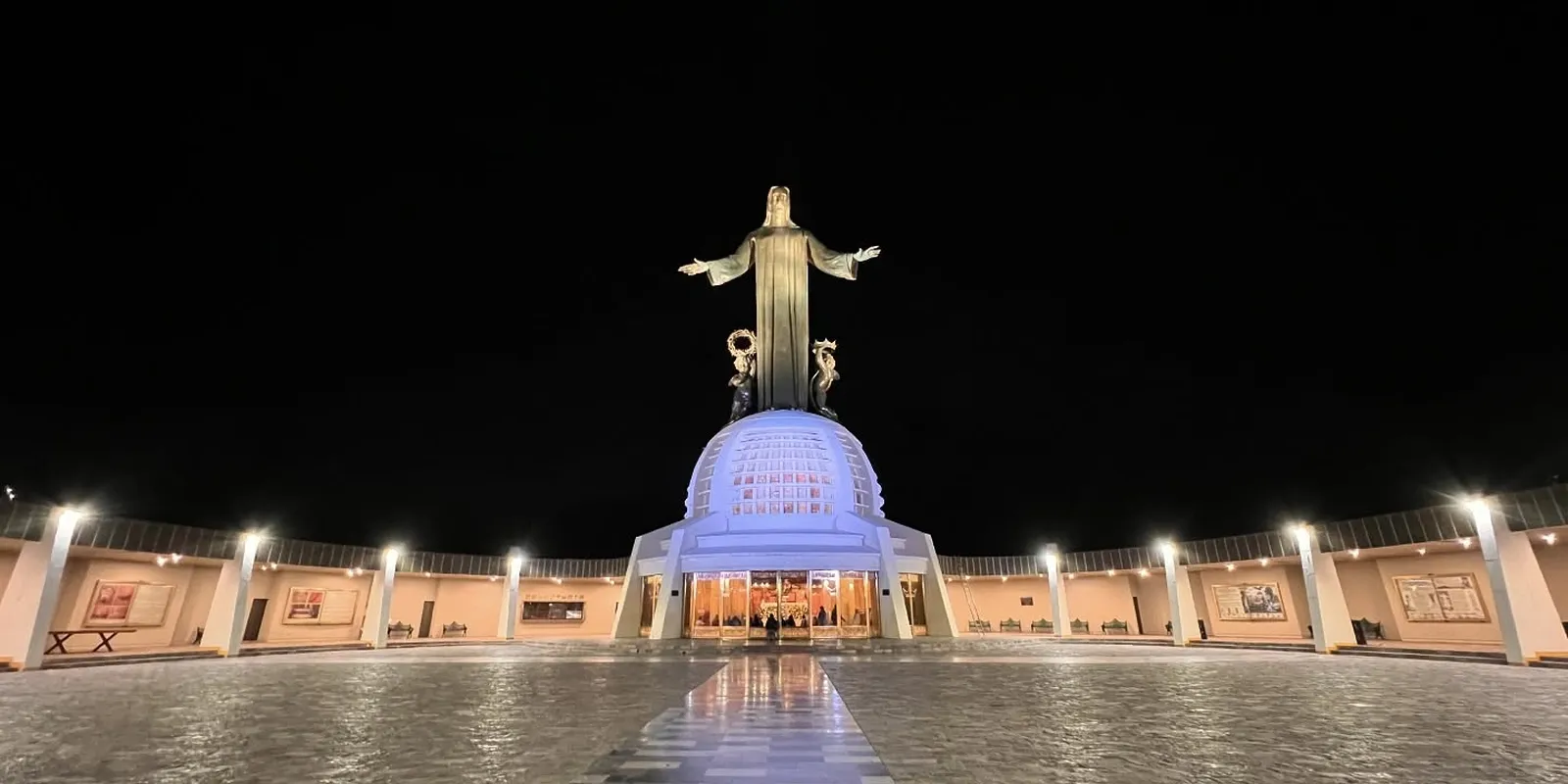
Silao: the giant Christ of Cubilete
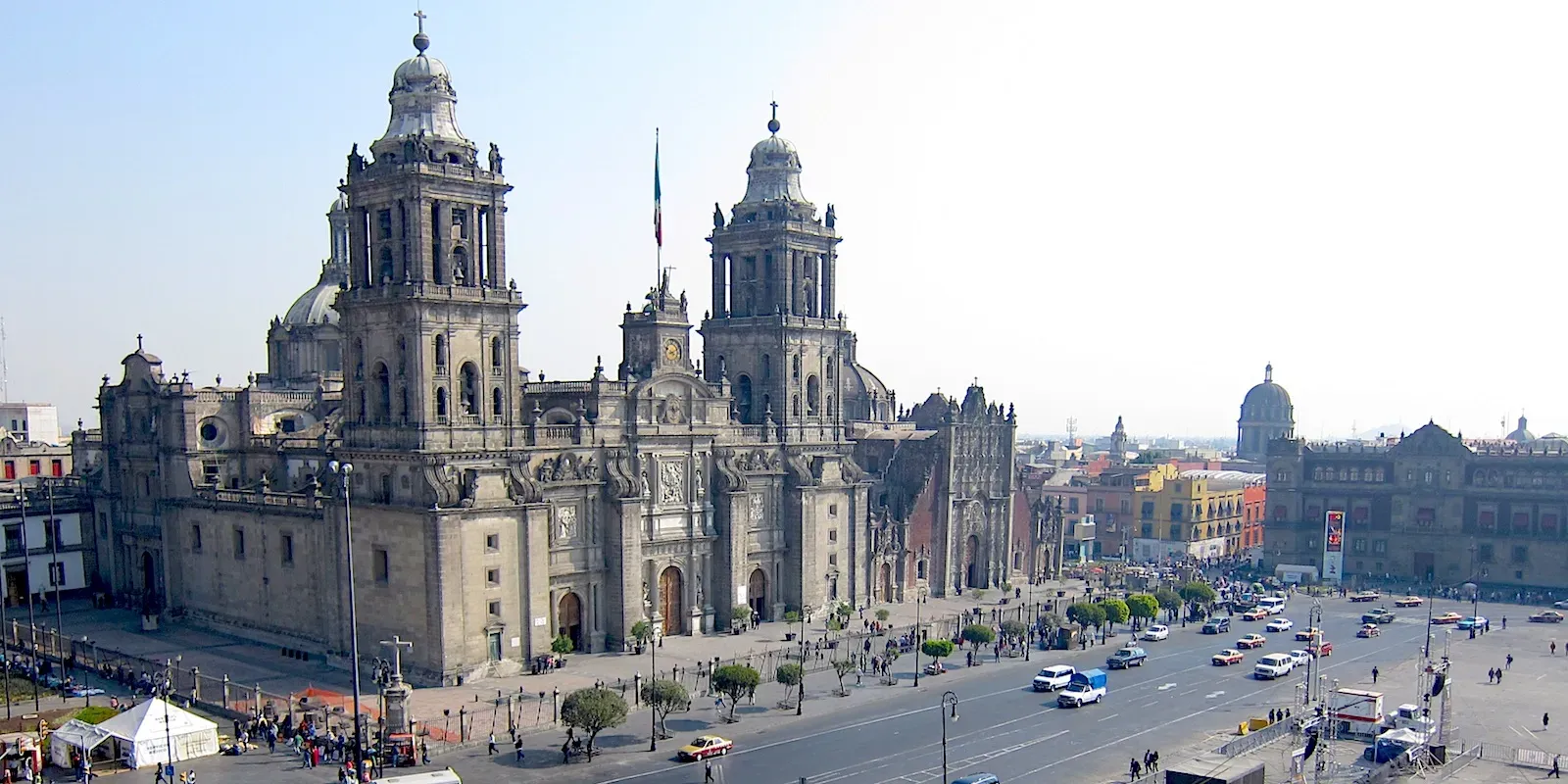
24 hours in Mexico City: what to see
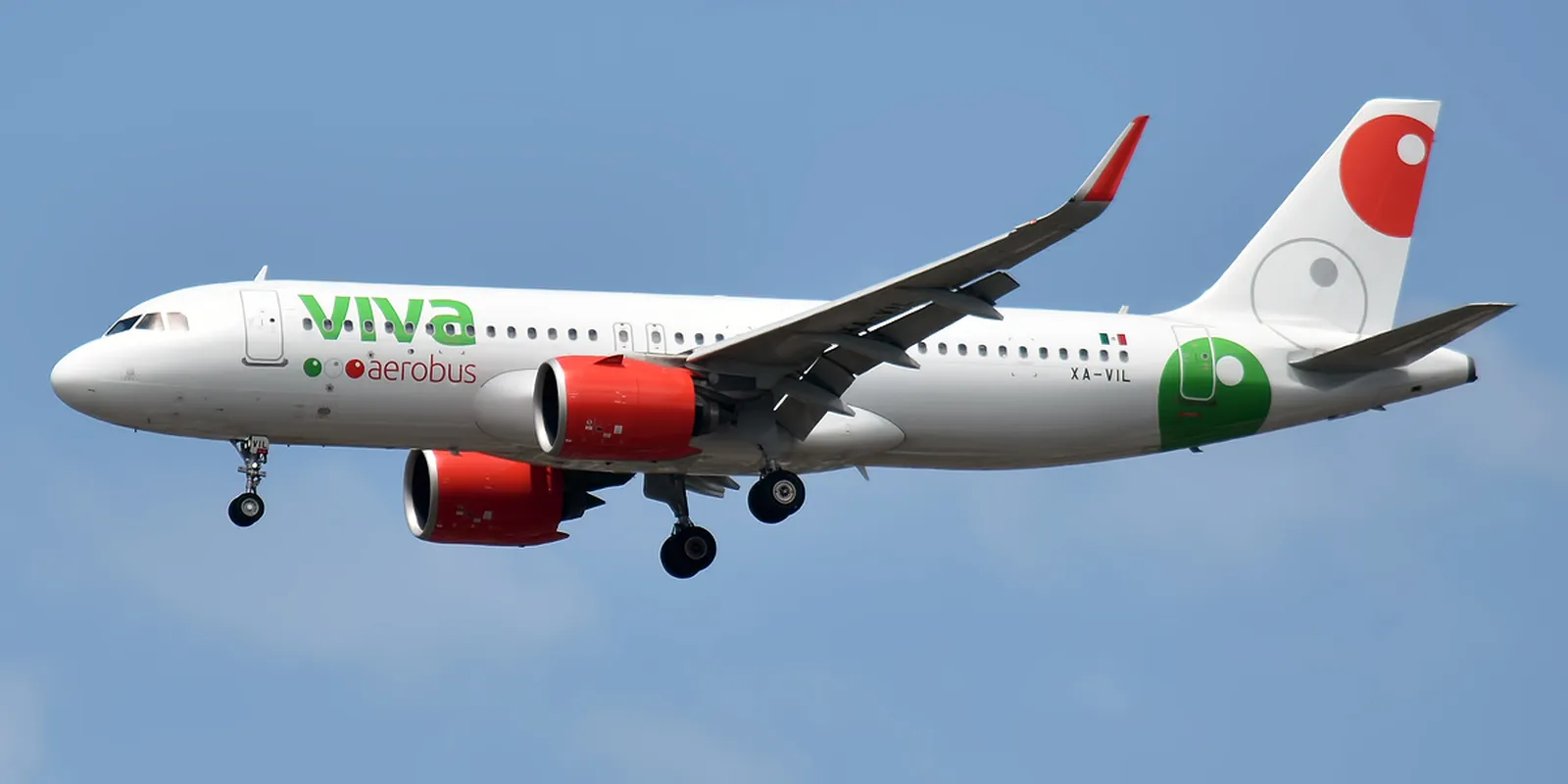
VivaAerobus: Fares, Baggage and the Real Cost of Mexican Low-Cost Flying

Milano Linate Airport: where to stay, areas and recommended hotels

Ostend-Bruges International Airport: where to stay, areas and recommended hotels