24 hours in Mexico City: what to see
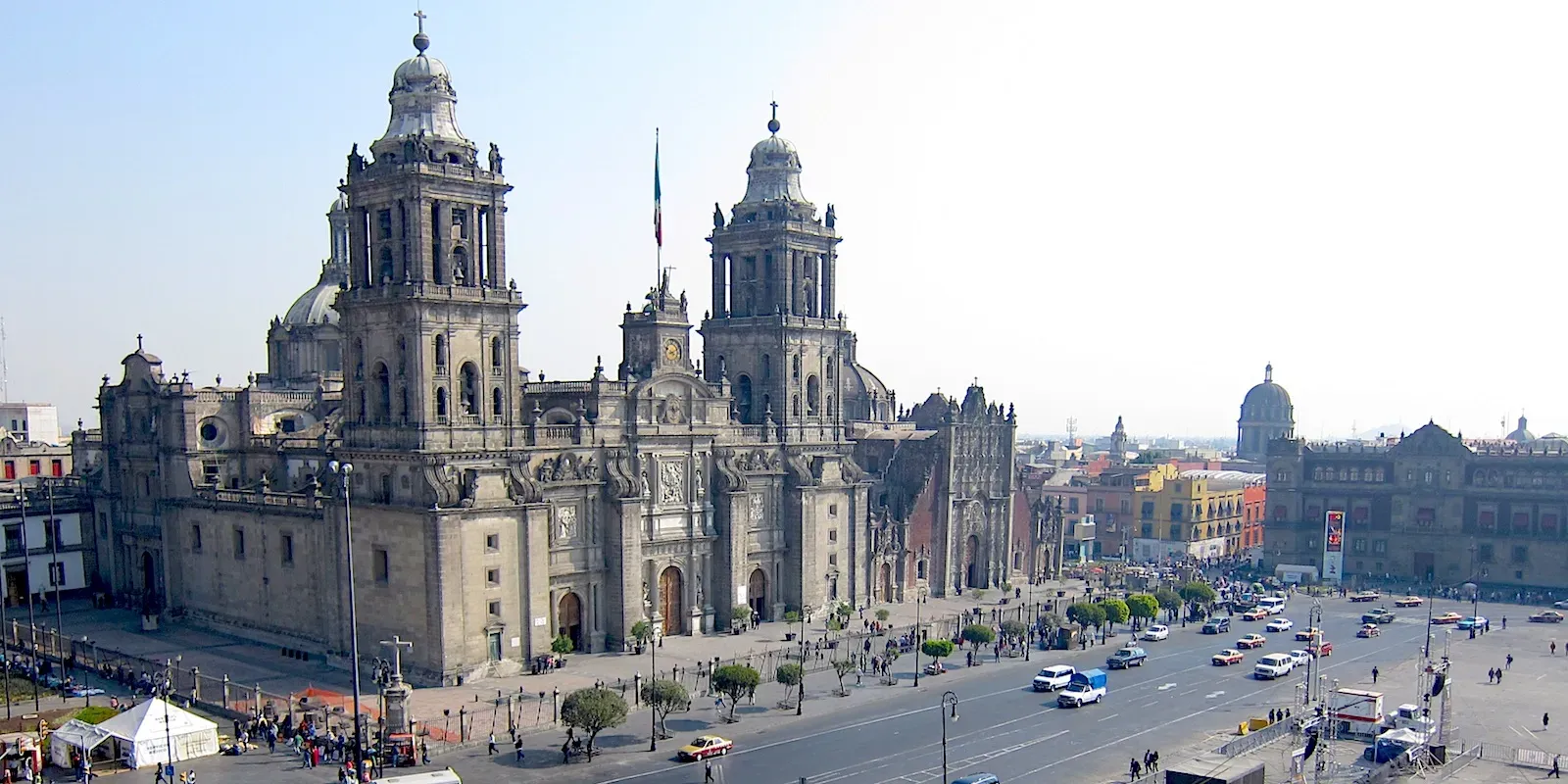
Mexico City's historic center develops around the Zócalo, one of the world's largest main plazas, built directly atop the heart of the Aztec city of Tenochtitlán: it's from here that you should start for a day on foot among colonial buildings and pre-Columbian ruins.
In the afternoon the route shifts along the Paseo de la Reforma to the Bosque de Chapultepec, the great urban park that houses some of the country's most important museums, closing the evening among the restaurants of the Roma and Condesa neighborhoods.
The Zócalo is the starting point, dominated by the bulk of the Metropolitan Cathedral, the largest cathedral in Latin America, built over nearly three centuries and for this reason recognizable by the style that changes from one section to another.
On the east side of the square is the Palacio Nacional, seat of federal government: inside, along the main staircase, Diego Rivera's murals unfold telling the history of Mexico from the pre-Columbian era to the revolution, visitable free of charge.
Right behind the cathedral is the Templo Mayor, the main temple of Tenochtitlán brought to light by excavations that began in the late seventies: the ruins, now open to the sky next to colonial palaces, show the successive phases of expansion of the original Aztec pyramid.
From here, following the pedestrian Madero street, you reach the Palacio de Bellas Artes, the theater and museum in white marble that houses some of the most well-known murals by Diego Rivera and David Alfaro Siqueiros, with the Tiffany glass dome visible from inside the main hall.
In the afternoon you can climb the Paseo de la Reforma, the large tree-lined avenue dotted with monuments such as the Angel of Independence, up to the Bosque de Chapultepec.
The National Museum of Anthropology houses here the most important archaeological finds of the pre-Columbian civilizations of the country, from the Aztec sun stone to Mayan masks.
On the adjacent hill, the Chapultepec Castle, the only royal castle in the Americas, offers instead a wide view over the city and the park below.
For the evening, the neighborhoods of Roma and Condesa, south of the park, concentrate one of the densest gastronomic offerings in the city: tree-lined streets in Art Nouveau and Art Deco style form the backdrop for restaurants, wine bars and establishments that remain lively until late evening.
Mexico City, traveled in a few hours between the Zócalo, the Palacio de Bellas Artes and the Bosque de Chapultepec, with the afternoon choice between museum and castle, already tells well the historical stratification of the Mexican capital, before closing among the restaurants of Roma and Condesa.
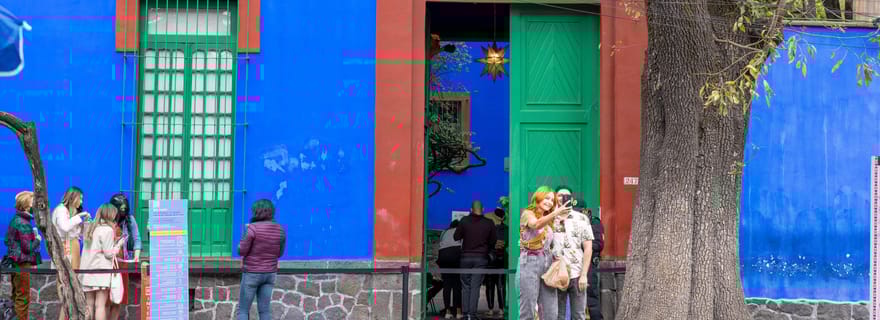
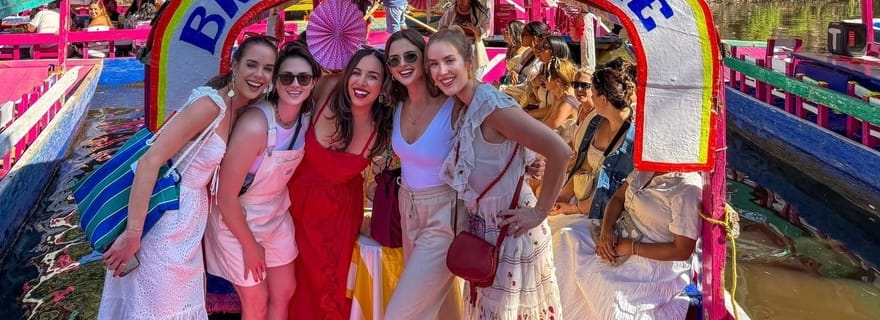
The Coyoacán neighborhood, with Frida Kahlo's house-museum, and the floating gardens of Xochimilco remain left out, both more suited to those with a second day at their disposal. From the Zócalo to the murals of the Palacio de Bellas Artes, however, you already breathe the stratification of cultures that makes the Mexican capital unique.
Guided tours and experiences in Mexico City

Related articles



You might also like...
Querétaro: where Mexico's independence treaty was signed
Acapulco: the classic bay of the cliff divers

Osh Airport: where to stay, areas and recommended hotels

Mandalay International Airport: where to stay, areas and recommended hotels

What to check before buying a plane ticket