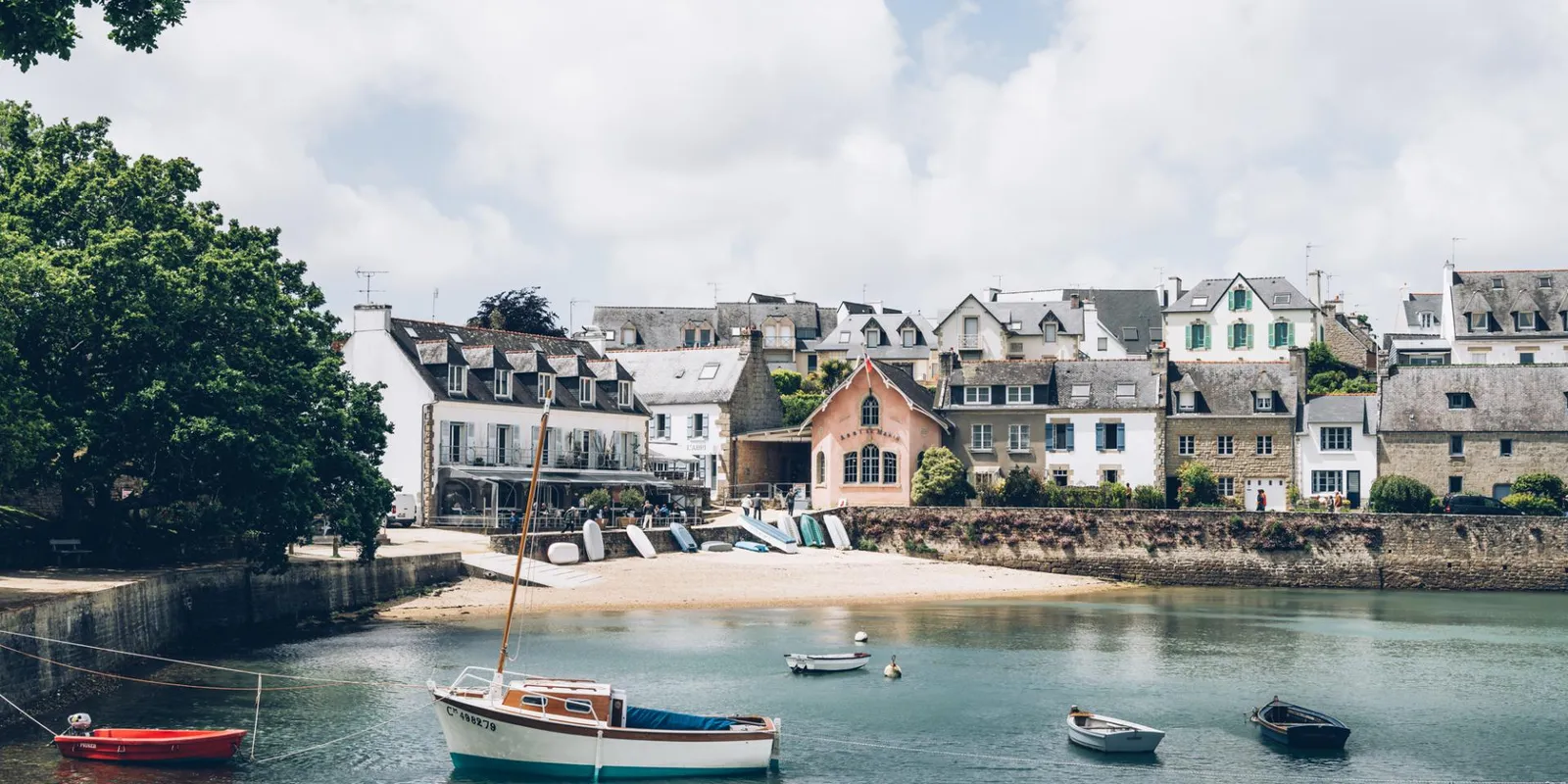

Quimper: the most authentic Brittany
Historic capital of Breton Cornouaille, Quimper preserves a Gothic cathedral with asymmetrical spires and a ceramic tradition lasting centuries.
The Breton centre, known for hand-painted faïence ceramics, is easily explored on foot.
The Cathedral of Saint Corentin, whose spires were completed only in the nineteenth century centuries after the rest of the building, presents a curious slight asymmetry in the axis of the nave.
Just steps away, the district of half-timbered houses along the Odet River preserves the appearance of a Breton town that remained almost unchanged over centuries, with dark wooden beams exposed.
Continuing on, one visits the Ceramic Museum, dedicated to the tradition of Quimper faïence, produced continuously since the sixteenth century with hand-painted motifs.
Toward evening, the flower-lined bridges over the Odet River, decorated with geraniums each summer, close the day in a typically Breton atmosphere.
The slight curvature of the Cathedral of Saint Corentin's axis, visible when looking along the central nave, would be due, according to some historians, to an adaptation to pre-existing foundations of an older building.
Quimper ceramics, hand-painted with floral motifs and figures in traditional Breton costume, are still produced today using artisanal techniques that remain practically unchanged.
Related articles

You might also like...
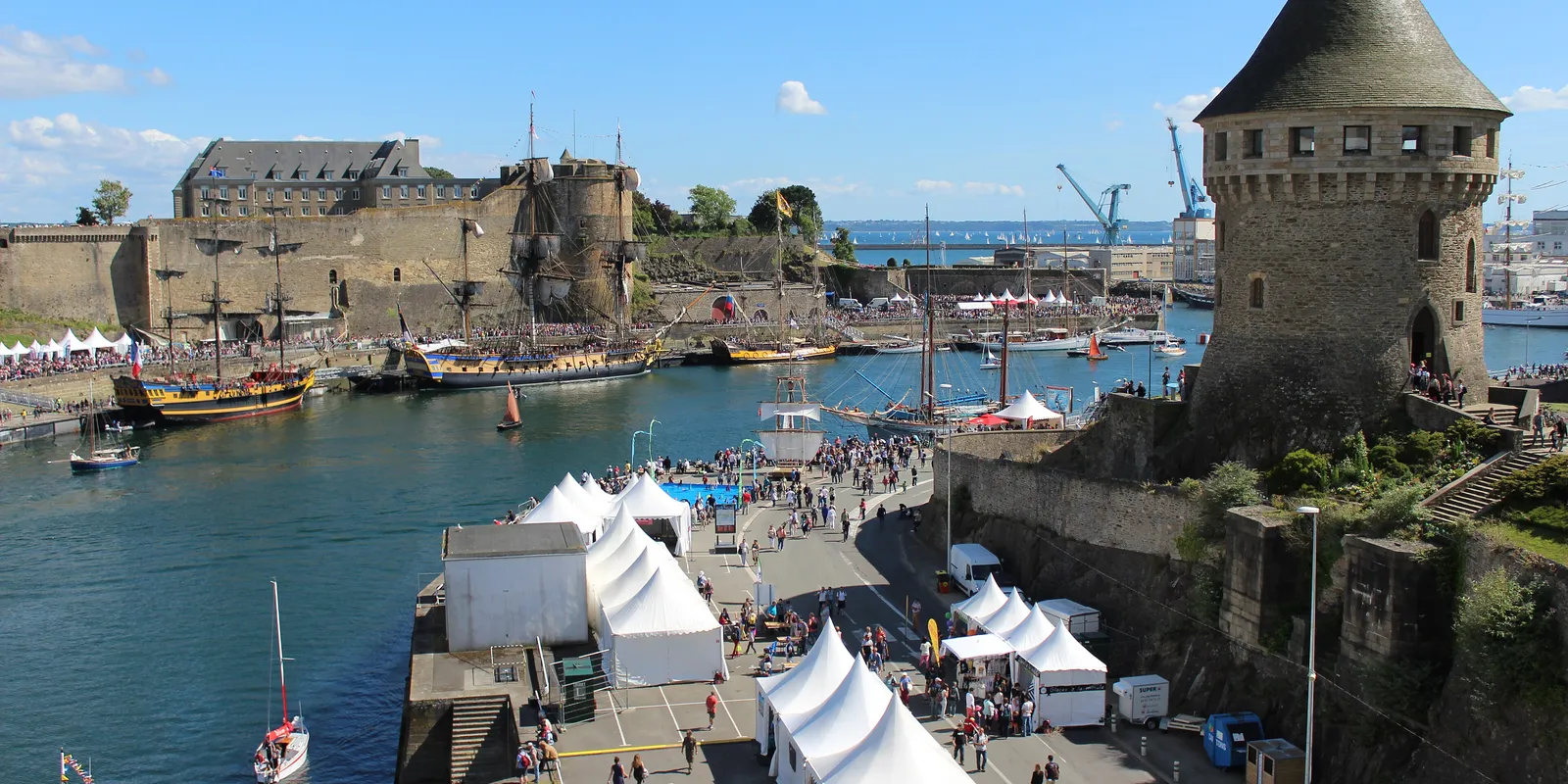
Brest: the city rebuilt after the war
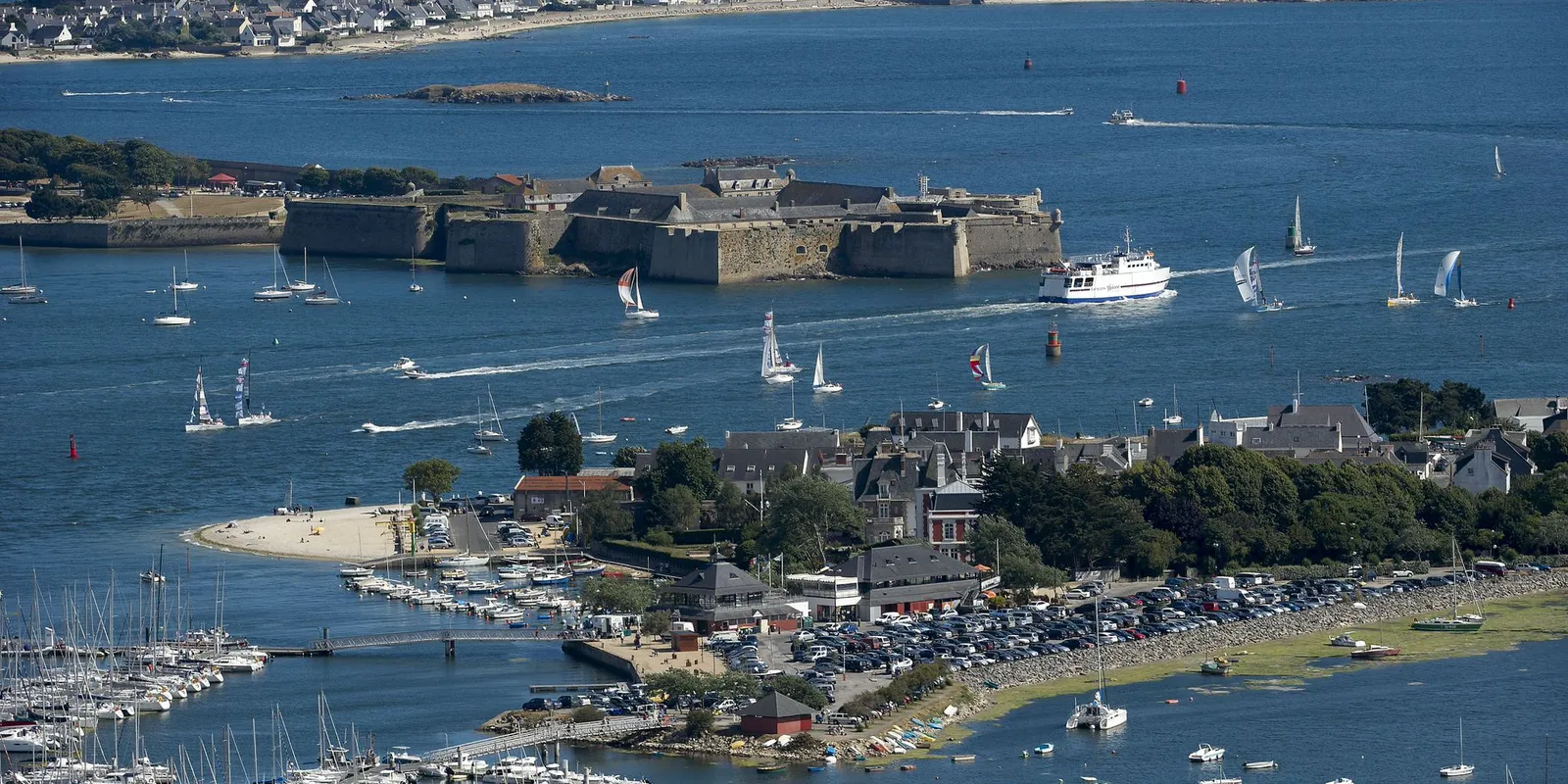
Lorient: from Nazi submarine pens to a Celtic festival

EgyptAir: Cairo's Star Alliance Network, with Skytrax Awards and New Routes to the US

Pori Airport: where to stay, areas and recommended hotels

Bhuj Airport: where to stay, areas and recommended hotels