Riyadh: Diriyah and the capital's new face
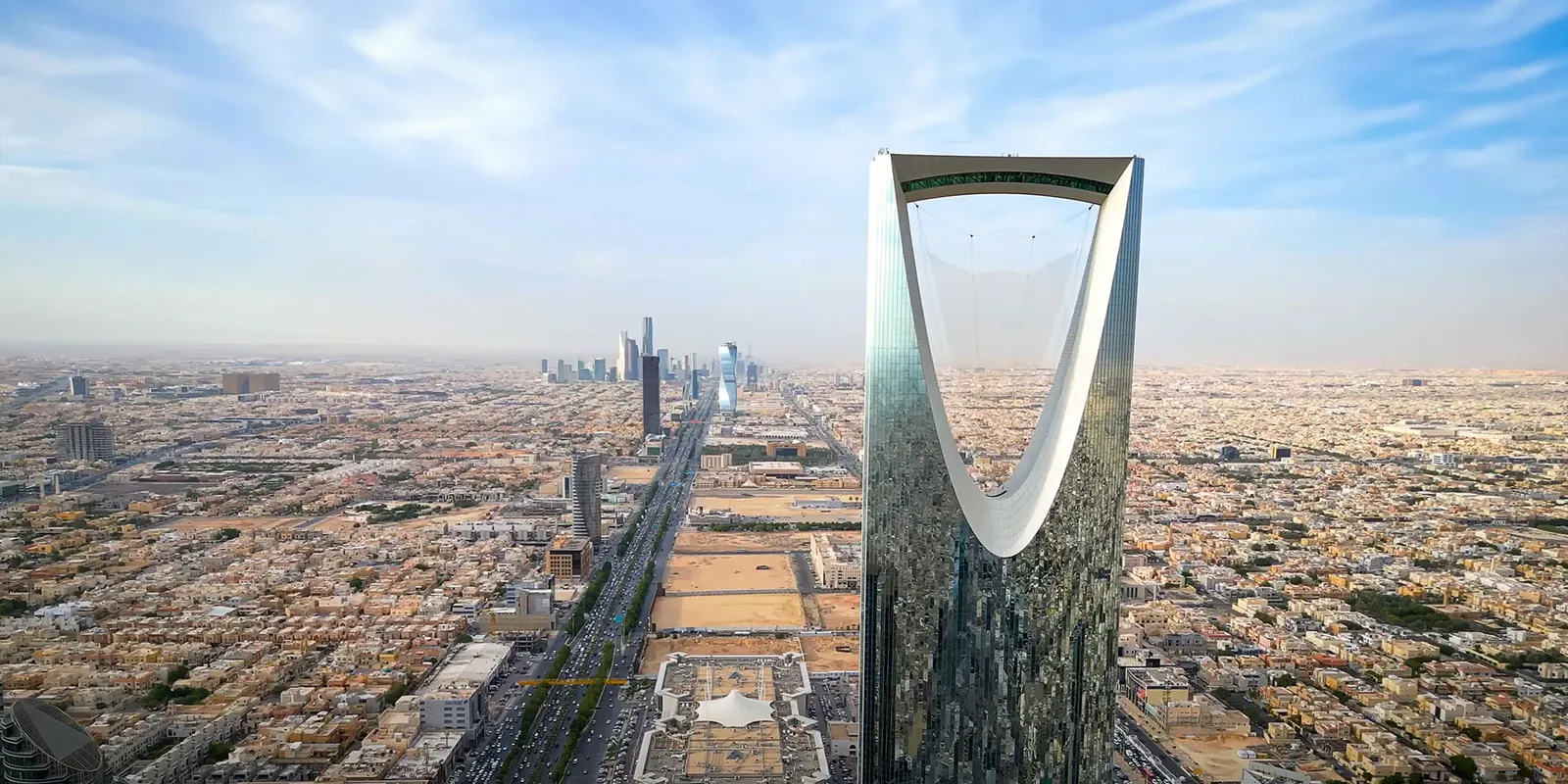
A capital in full transformation, Riyadh juxtaposes its glass skyscrapers with the fortified oasis from which the first Saudi state emerged, just kilometers from the modern center.
The distances between districts require a car or taxi for the whole day.
At Diriyah, a UNESCO World Heritage site on the northwestern outskirts of the city, the historic At-Turaif district preserves eighteenth-century mud-brick palaces, the cradle of the first Saudi dynasty before its destruction in 1818.
The Masmak Fort, a fortress of clay and mud from 1865, was the site of the famous nighttime reconquest of Riyadh in 1902 by Ibn Saud, a foundational episode still told today in the small internal museum.
The National Museum, opened in 1999, recounts in thematic galleries the history of the Arabian Peninsula from prehistory to the kingdom's unification, with a section specifically dedicated to the Islamic period.
The Kingdom Centre, a skyscraper with a characteristic arch opening at its top, hosts at 300 meters elevation a glass skybridge from which the city's expansion toward the surrounding desert can be seen in every direction.
Between the mud bricks of At-Turaif and the glass skybridge of Kingdom Centre pass just over two centuries, yet the perceived distance is vastly greater.
Masmak Fort, halfway between the two in era and style, remains perhaps the point where that leap is best understood: a rammed-earth fortress in the midst of a capital of glass.
Guided tours and experiences in Riyadh
Related articles

You might also like...
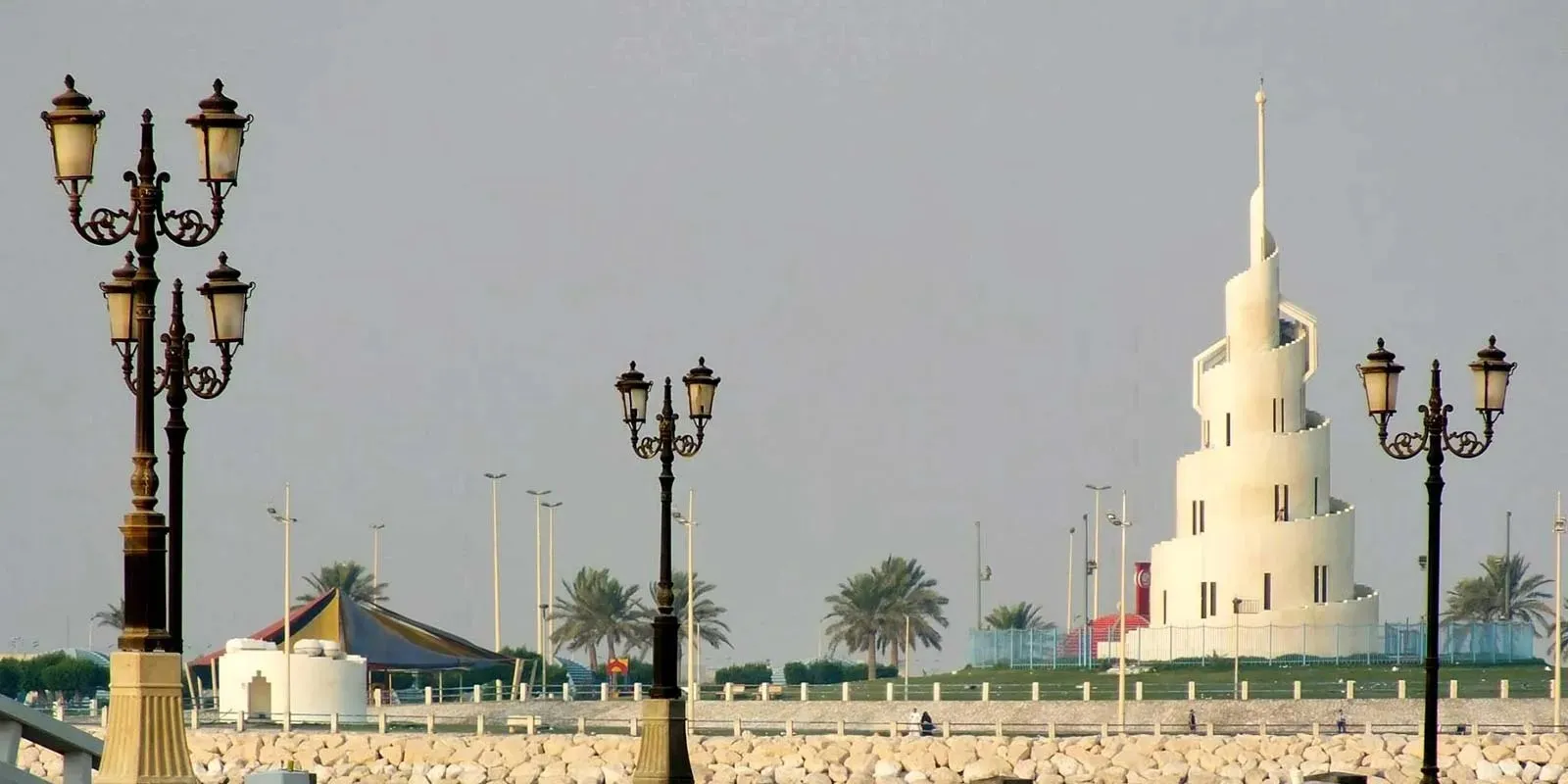
Ad Dammam: the oil gateway of the Saudi Persian Gulf
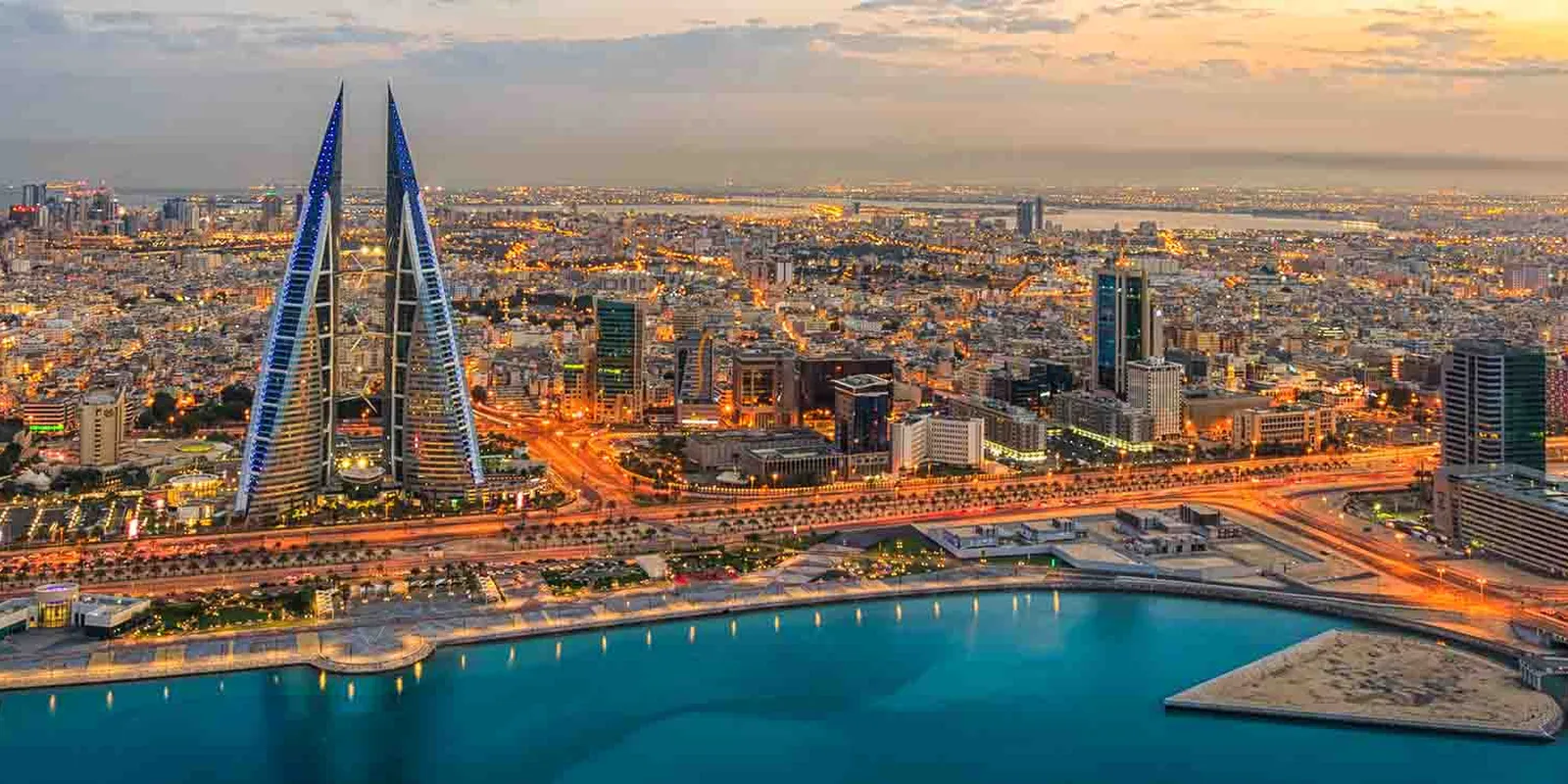
One day in Manama: itinerary and highlights

Moulay Ali Cherif Airport: where to stay, areas and recommended hotels
Iberia: Spain's Gateway to Latin America, A350 Fleet and Routes

John Paul II International Airport Kraków-Balice Airport: where to stay, areas and recommended hotels