
Røros: the UNESCO copper mining town
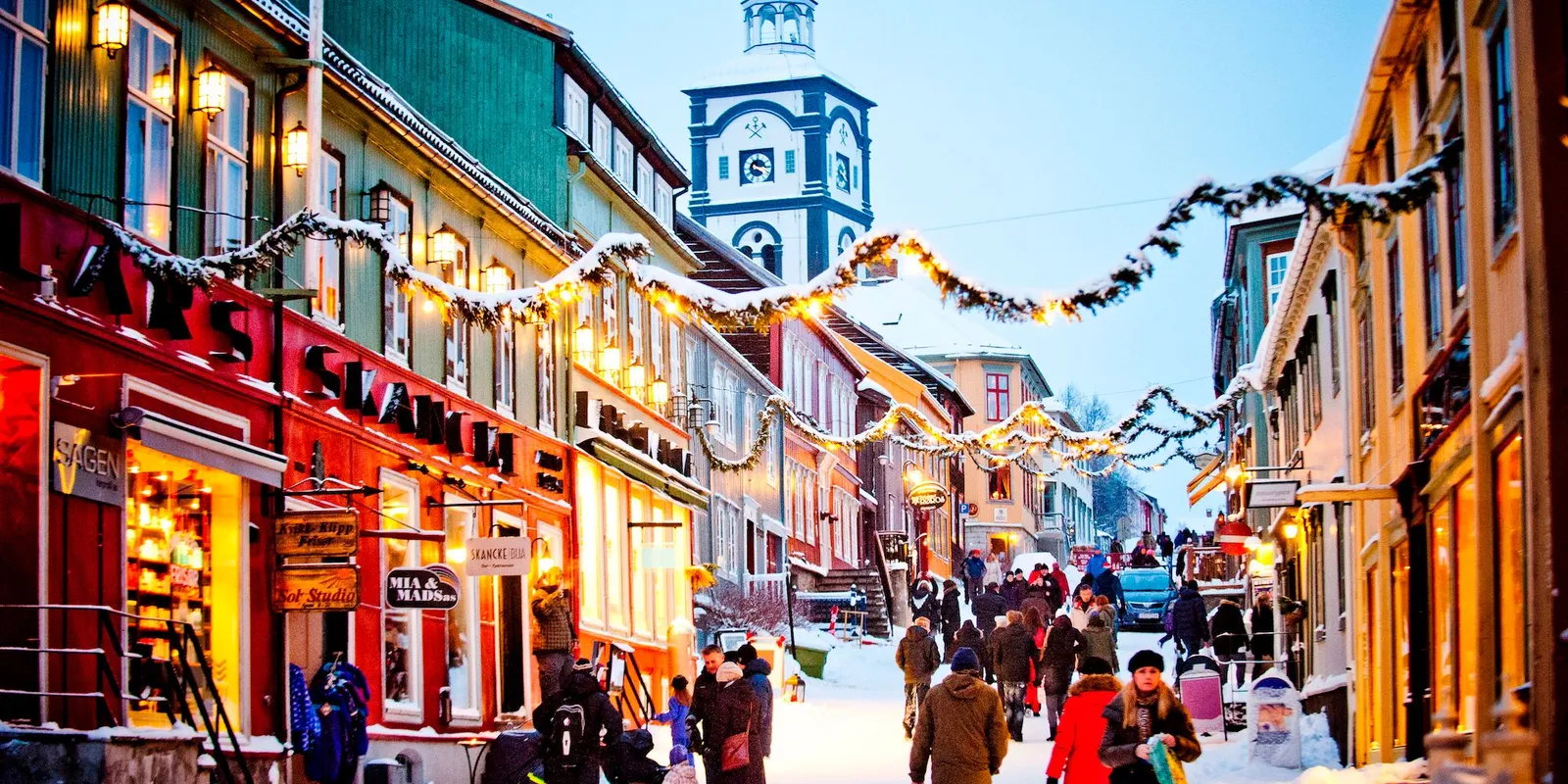
Founded around a copper mine active for over three hundred years, Røros preserves a centre of wooden houses blackened with age, a UNESCO World Heritage site since 1980.
The mining centre in wood, a UNESCO World Heritage site, is easily explored on foot despite intense cold.
The wooden houses of Røros, unpainted by tradition and naturally blackened by time and smoke, compose one of the best-preserved mining centers in Scandinavia.
Just steps away, the Røros Church, built in the eighteenth century with stones from the local mine, could accommodate up to a thousand worshippers, an enormous number for the time.
Continuing on, one visits the Copper Mining Museum, which descends into the tunnels where ore was extracted continuously from 1644 to 1977.
Toward evening, the reindeer grazing at the city's margins, herded by Sami communities in the region, often approach houses without fear.
The Røros copper mine remained active for three hundred thirty-three consecutive years, closing only in 1977 after sustaining the entire city's economy for nearly three centuries.
The houses blackened with time, never painted by local tradition, have allowed Røros to preserve an authentic appearance that earned it UNESCO recognition among Norway's first sites on the list.
Related articles
You might also like...
Trondheim: the ancient capital of the Viking kings
A Day in Orland, Norway

Montreal / Pierre Elliott Trudeau International Airport: where to stay, areas and recommended hotels

Firenze Amerigo Vespucci Airport: where to stay, areas and recommended hotels

American Airlines: The World's Largest Fleet, the Four Main Hubs and What Passengers Really Say