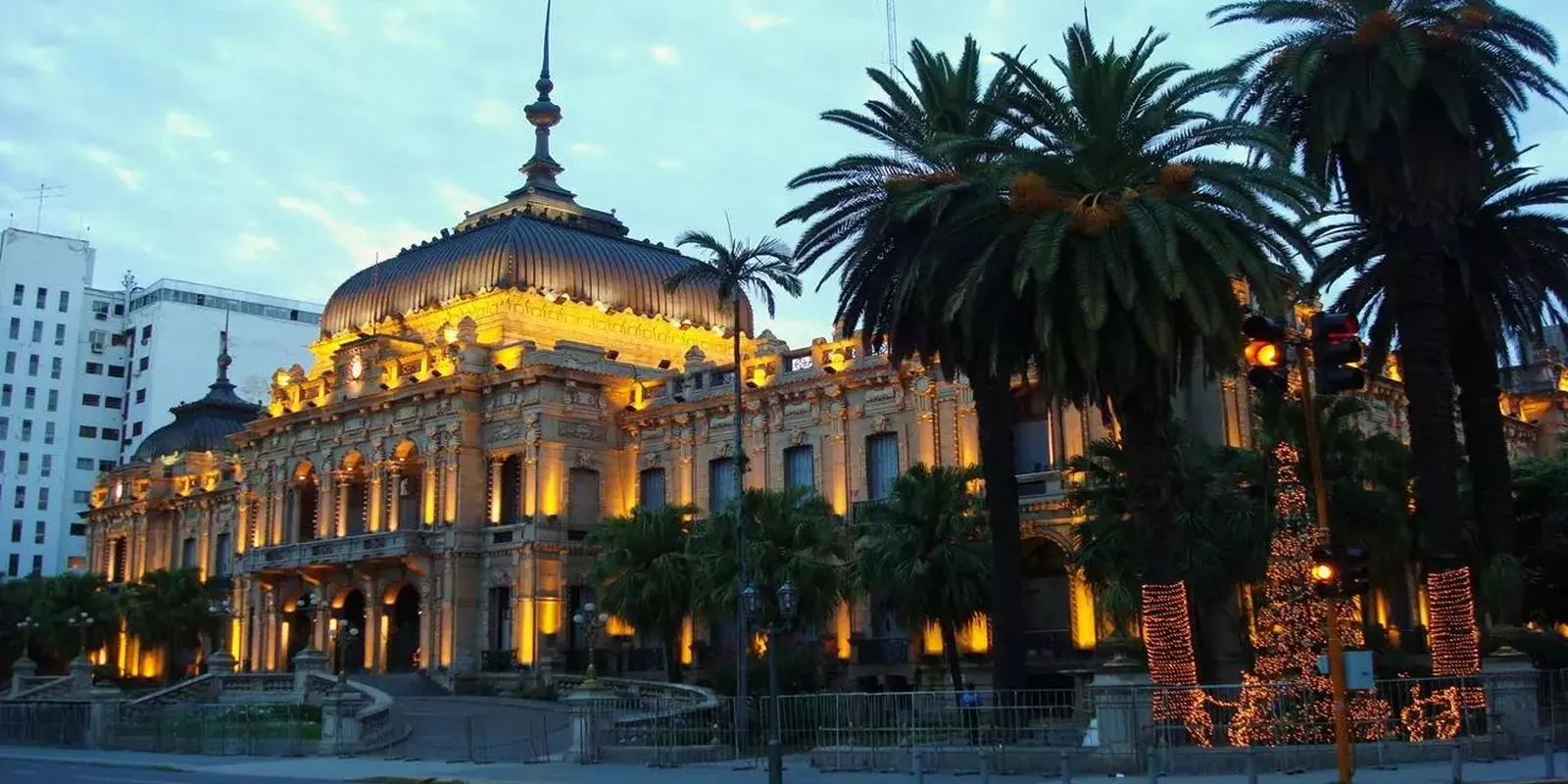

San Miguel de Tucumán: where Argentine independence was born
In the Casa de la Independencia in Tucumán, in 1816, the congressmen of the United Provinces of South America signed the act that gave birth to an independent Argentina.
The historic center, where Argentine independence was declared, is comfortably explored on foot.
The Casa Histórica de la Independencia, where the 1816 declaration of independence was signed, preserves the original room where representatives of the provinces gathered.
Just steps away, the Independence Square, the heart of the city, is surrounded by government buildings and the city cathedral, shaded by large century-old trees.
Continuing you reach the 9 de Julio Park, a large urban park designed by the same landscape architect who designed the Palermo Woods in Buenos Aires, with ponds and shaded paths.
Toward evening, the city center's establishments offer Tucumán empanadas, filled with knife-cut meat according to a recipe jealously guarded by local tradition, often accompanied by Torrontés wine.
The Casa Histórica was largely demolished and rebuilt in the 19th century, preserving only the original congress chamber: a compromise between historical memory and the urban needs of the era.
Tucumán empanadas distinguish themselves from those in the rest of Argentina by having filling cut by knife rather than minced, a difference locals consider far from trivial.
Related articles

You might also like...
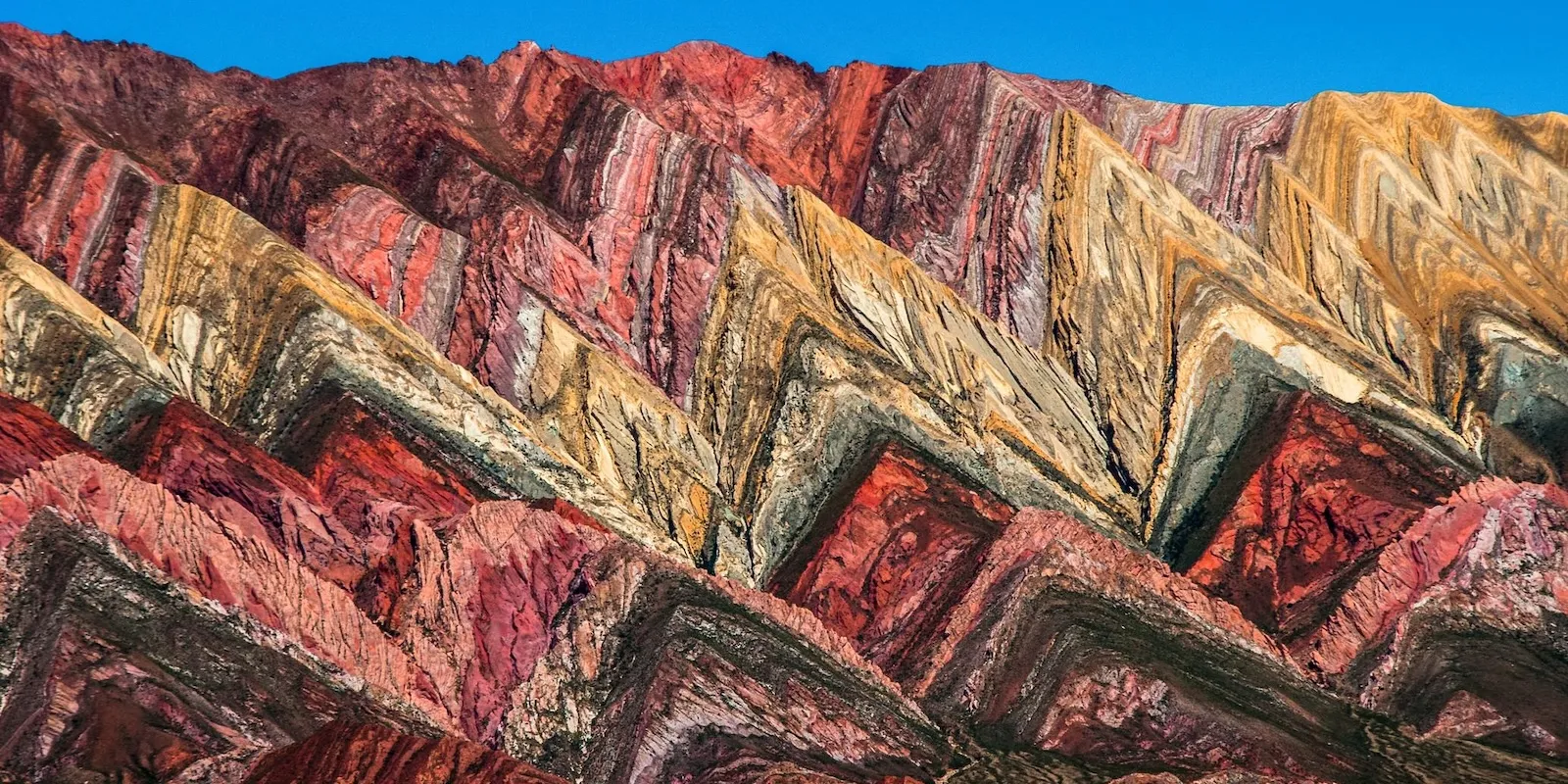
Salta: the high-altitude mummies and the colonial centre
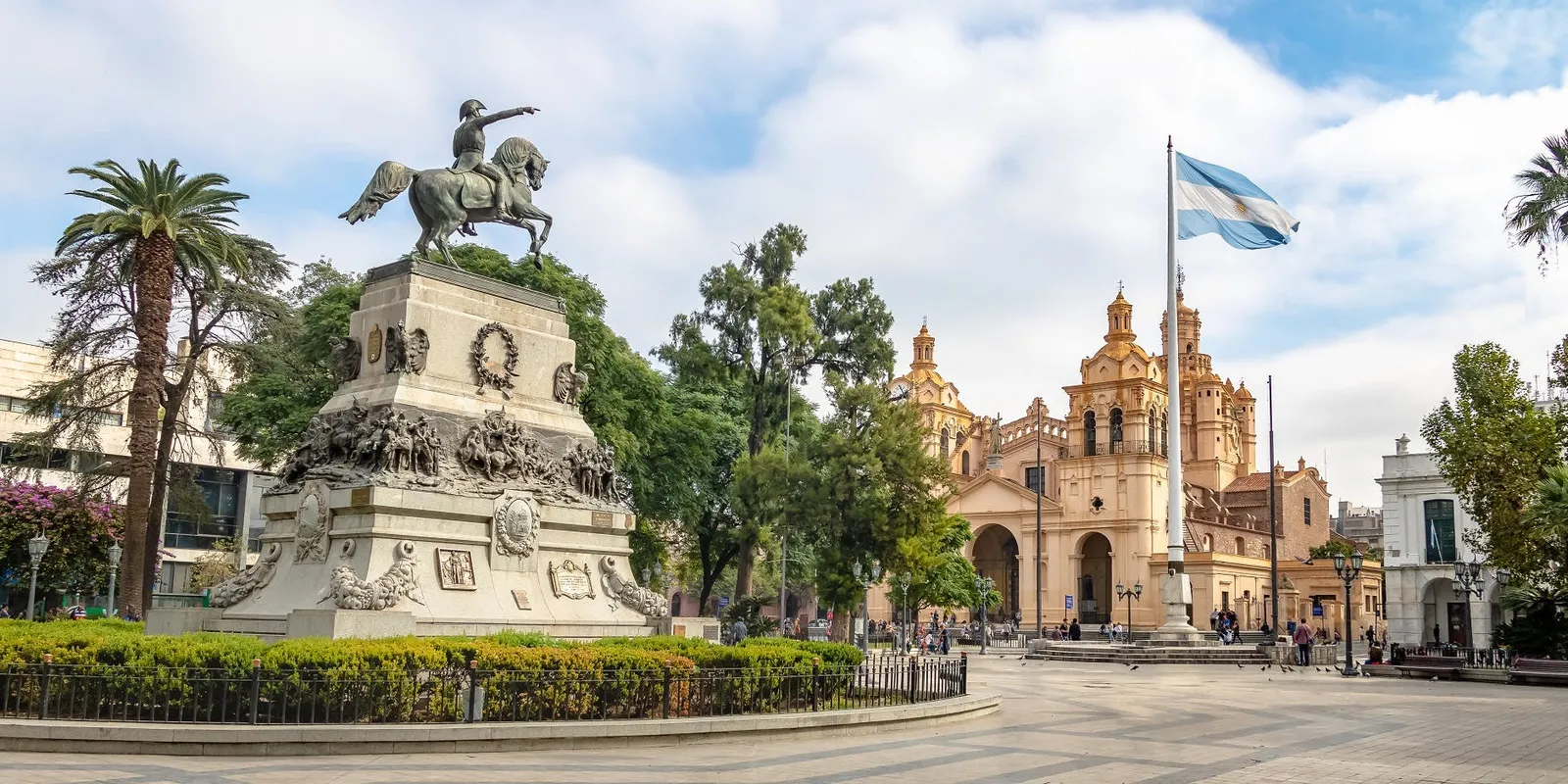
Córdoba: the Jesuit Block and the colonial university

Plane ticket refund: all the cases where you might be entitled

Chek Lap Kok International Airport: where to stay, areas and recommended hotels

Lappeenranta Airport: where to stay, areas and recommended hotels