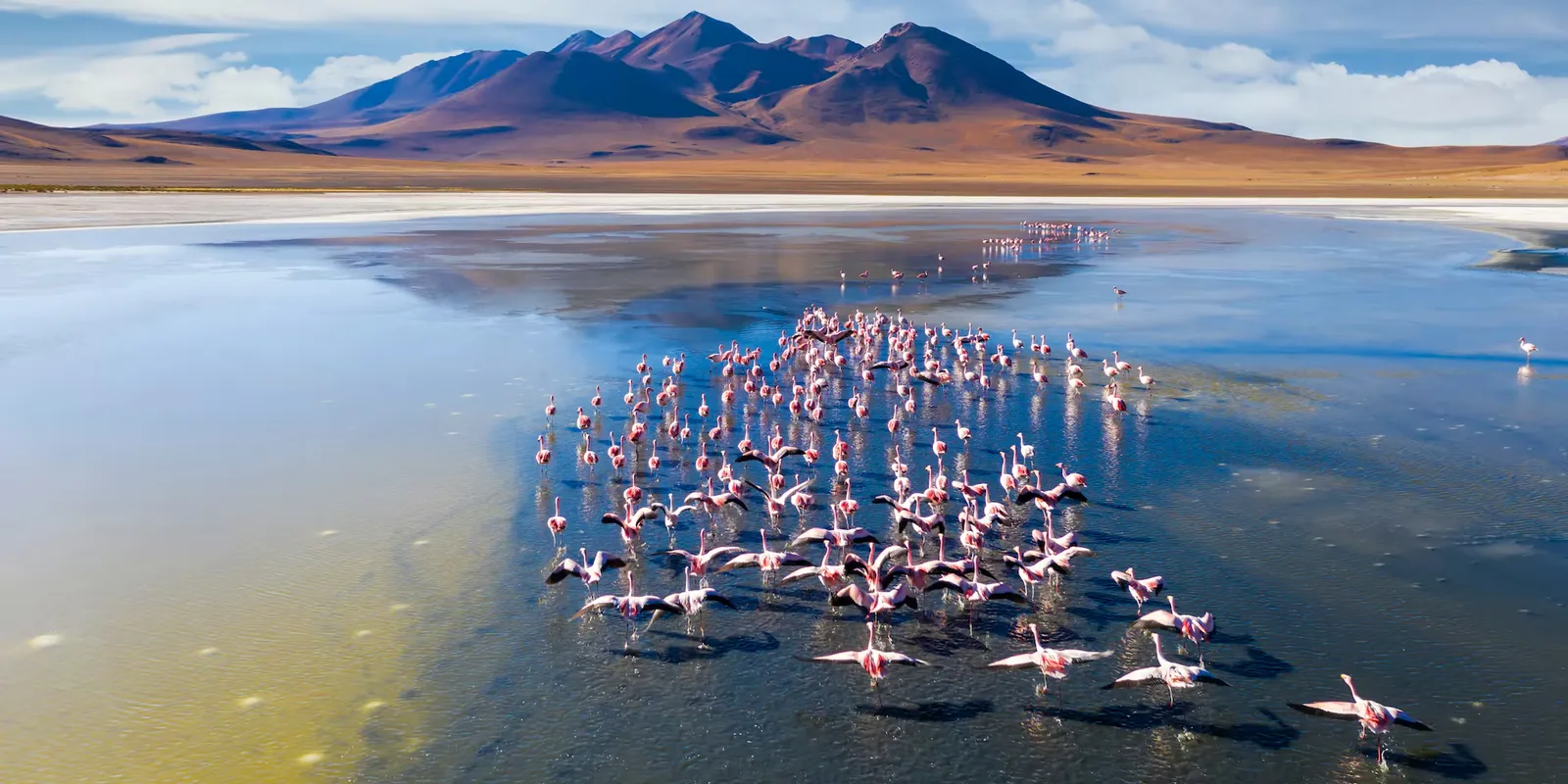

Uyuni: the world's largest mirror
The Salar de Uyuni, the world's largest salt desert, transforms with little rain into a natural mirror capable of reflecting the sky with nearly perfect precision.
Reaching the salt flat requires a four-wheel-drive vehicle with a local guide.
The Salar de Uyuni, over ten thousand square kilometers of flat salt crust, remains the world's largest salt flat, formed by the drying up of ancient prehistoric lakes.
In the center of the salar, the Isla Incahuasi, a rocky islet covered with giant cacti several meters tall, stands out like an anomaly in the uniform whiteness surrounding it.
With a thin layer of water on the surface, the salar becomes a natural mirror that reflects the sky with such precision that it becomes impossible to distinguish the horizon.
Toward evening, the abandoned train cemeteries near Uyuni, remnants of the early twentieth-century mining era, slowly rust away in the salty desert.
The mirror effect of Salar de Uyuni occurs only during the rainy season, between December and April, when a thin layer of water covers the salt crust without completely submerging it.
Beneath the salt crust of the salt flat is estimated to lie over half the world's lithium reserves, a strategic resource for modern batteries still largely unexploited commercially.
Guided tours and experiences in Uyuni

Related articles

You might also like...
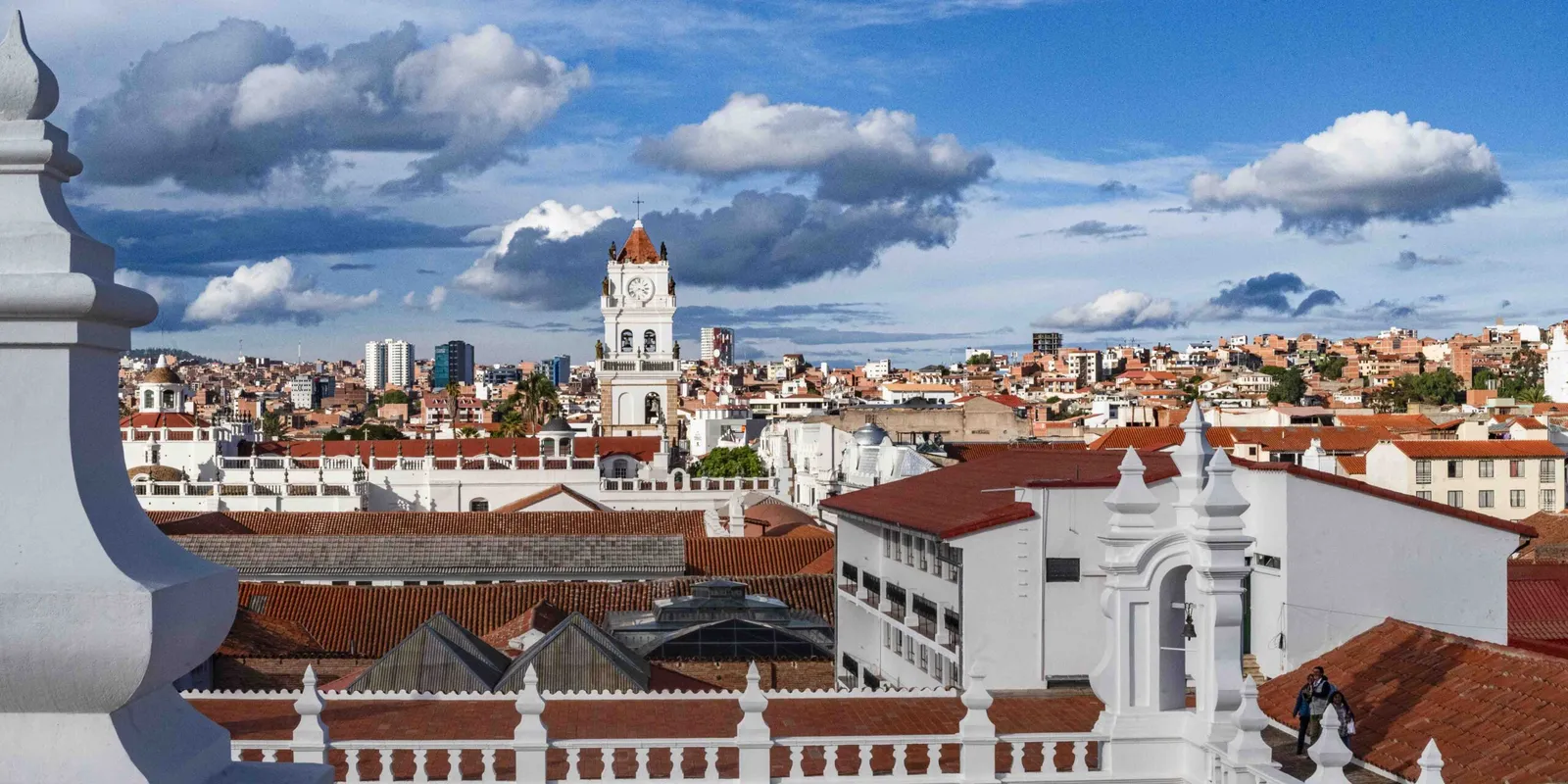
Sucre: the white capital nobody visits first
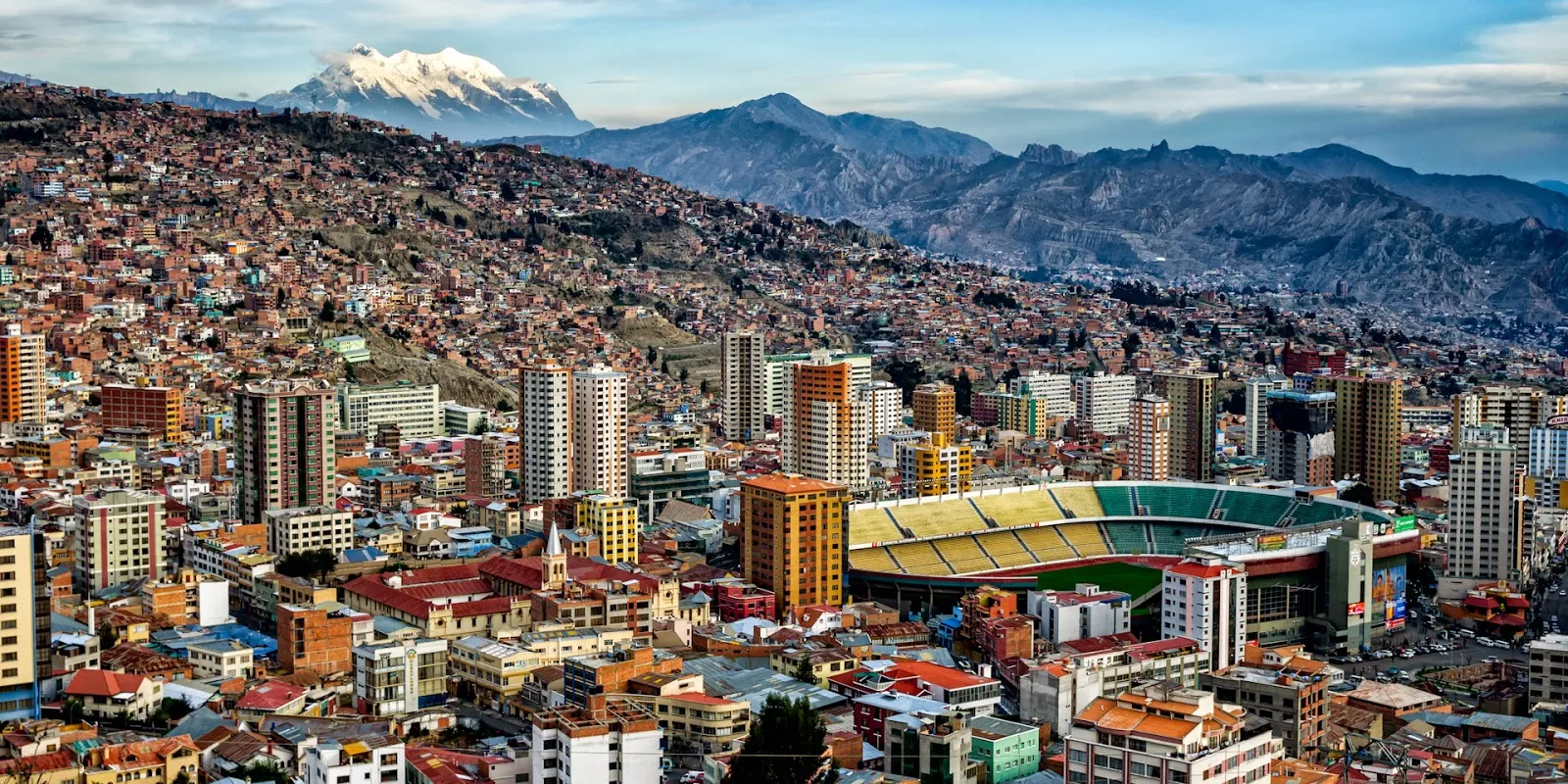
La Paz: the highest capital in the world

Computers and electronic devices at security checks

Horta Airport: where to stay, areas and recommended hotels

Minneapolis airport lounges: the best pick in Terminal 1
