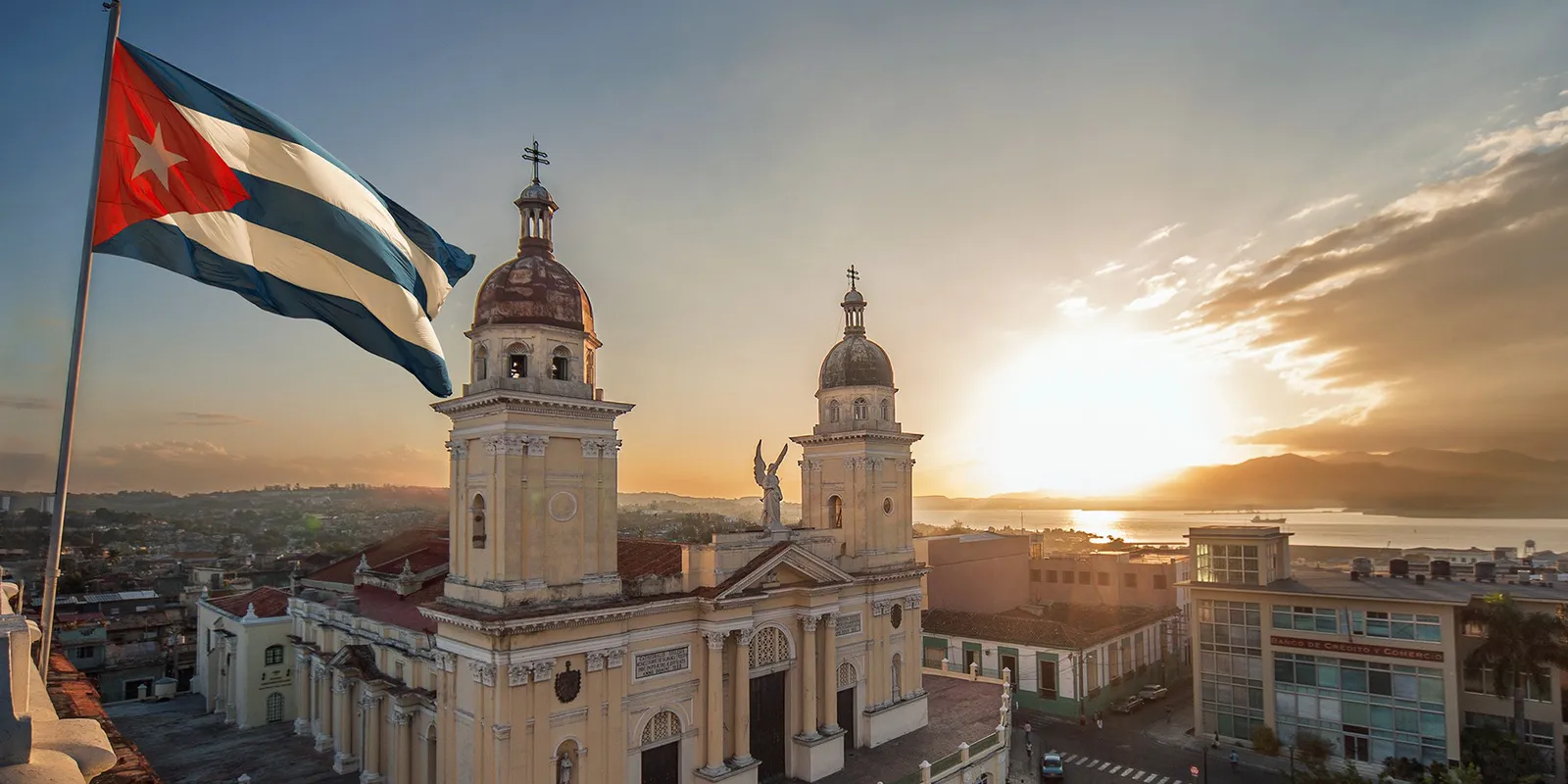
Santiago de Cuba: where the revolution began
Cuba's former colonial capital and cradle of the Castrist revolution, Santiago de Cuba preserves the oldest house on the island next to sites symbolic of revolutionary history.
The center, where the Cuban revolution began, is comfortably explored on foot.
Built between 1516 and 1530, the Casa de Diego Velázquez is considered the oldest residential building still standing in Cuba, once home to the island's first Spanish governor.
Just steps away, the Moncada Barracks, site of the assault led by Fidel Castro in 1953 that sparked the revolutionary movement, still bears bullet holes on its facade from that clash.
Climbing toward the harbor, you reach the Castillo del Morro, a Spanish fortress built in the seventeenth century to defend the city from pirate attacks.
Toward evening, the Santa Ifigenia Cemetery houses the mausoleum of Cuban independence hero José Martí, with a ceremonial changing of the guard.
The assault on the Moncada Barracks failed militarily and led to Castro's imprisonment, but it gave its name to the 'July 26 Movement' that would later guide the victorious revolution six years later.
The Castillo del Morro, declared a UNESCO World Heritage site, remains among the best-preserved examples of Spanish military architecture in the Americas.
Related articles
You might also like...
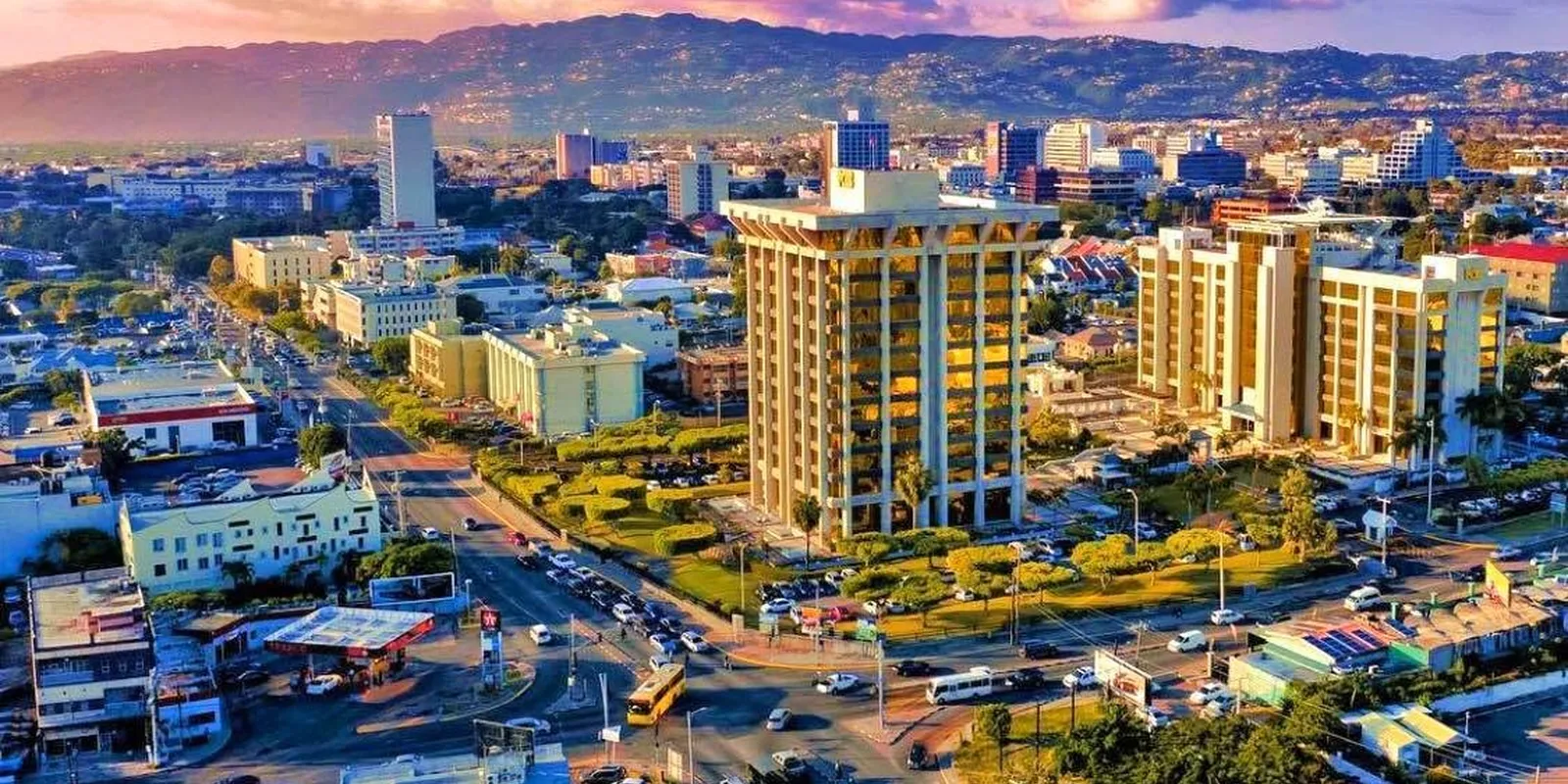
Kingston: the birthplace of reggae
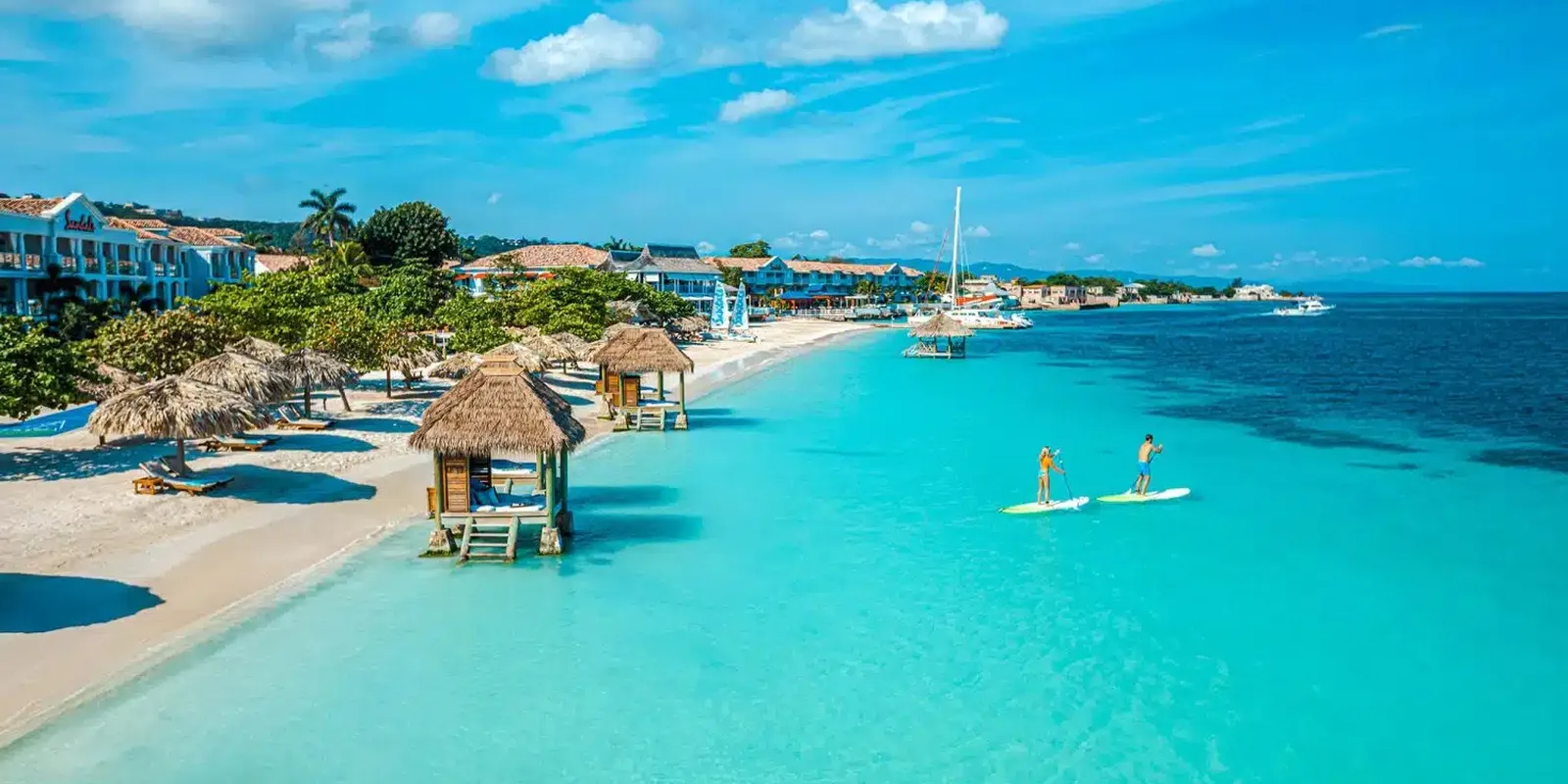
Montego Bay: reggae and the coral reef

Lleida-Alguaire Airport: where to stay, areas and recommended hotels

Aurangabad Airport: where to stay, areas and recommended hotels

Aegean Airlines: What to Expect From Greece's National Carrier, According to Passengers