Trieste: coffee houses and Habsburg heritage by the gulf
Main port of the Austro-Hungarian Empire until 1918, Trieste preserves a Central European heritage readable in its buildings, historic cafés, and a castle overlooking the sea nearby.
The center, among historic cafés and Austro-Hungarian memory, can be comfortably explored on foot along the gulf.
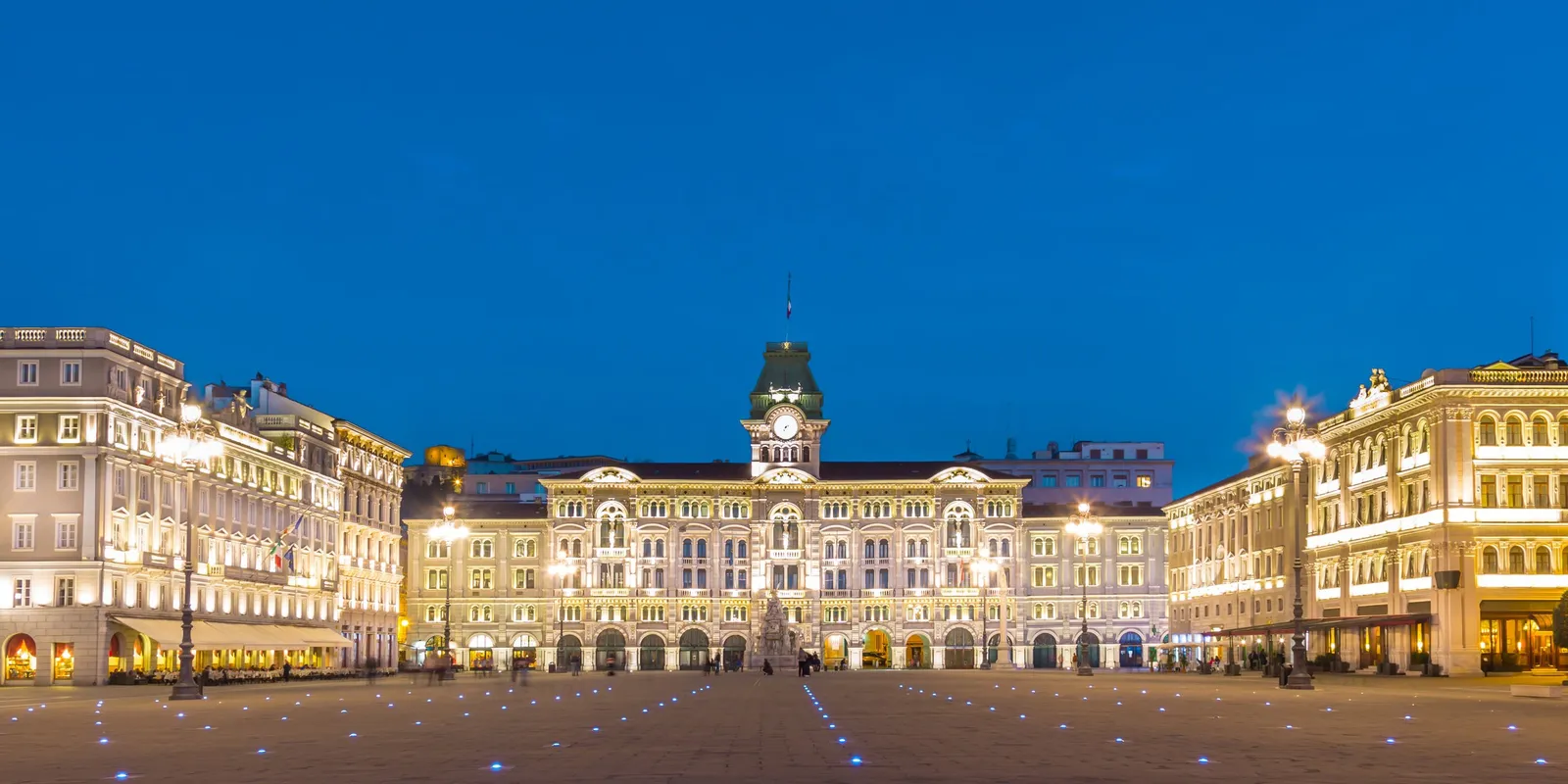
Surrounded by Austro-Hungarian palaces, Piazza Unità d'Italia is considered Europe's largest seafront plaza.
A few steps away, Molo Audace extends into the water to the point where, in 1918, the first Italian troops landed in the city.
Climbing toward the San Giusto hill you encounter the Roman Theatre from the first century AD, brought to light only in the early twentieth century after remaining buried for centuries beneath the medieval neighborhood's houses that had grown above it.
In the afternoon it's worth reaching, just outside the city, Miramare Castle, built between 1856 and 1860 by Archduke Maximilian of Habsburg on a rocky outcrop jutting into the gulf.
Maximilian left Miramare to become Emperor of Mexico and was executed a few years later: it is said that the castle, built for a life he never truly had, carries since then a reputation for misfortune.
In the historic cafés of the center, once frequented by writers like James Joyce and Italo Svevo, an atmosphere more reminiscent of Vienna than the rest of Italy still lingers.
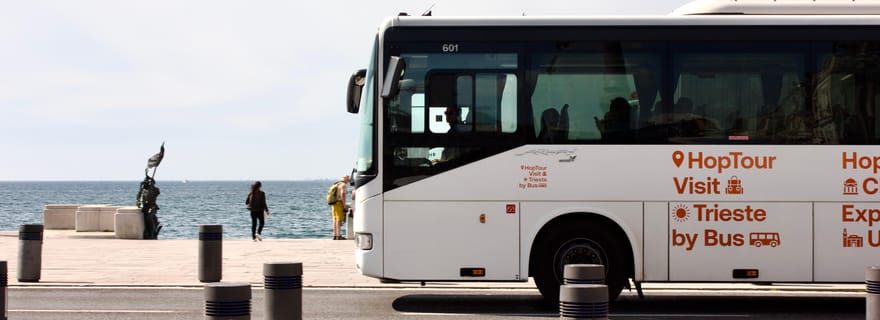
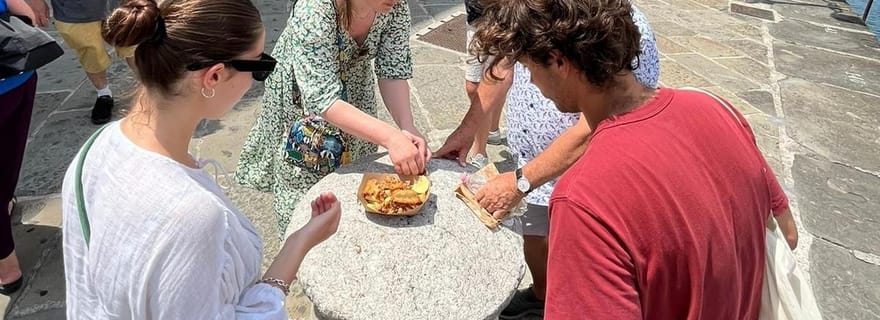
Guided tours and experiences in Trieste
Related articles

You might also like...
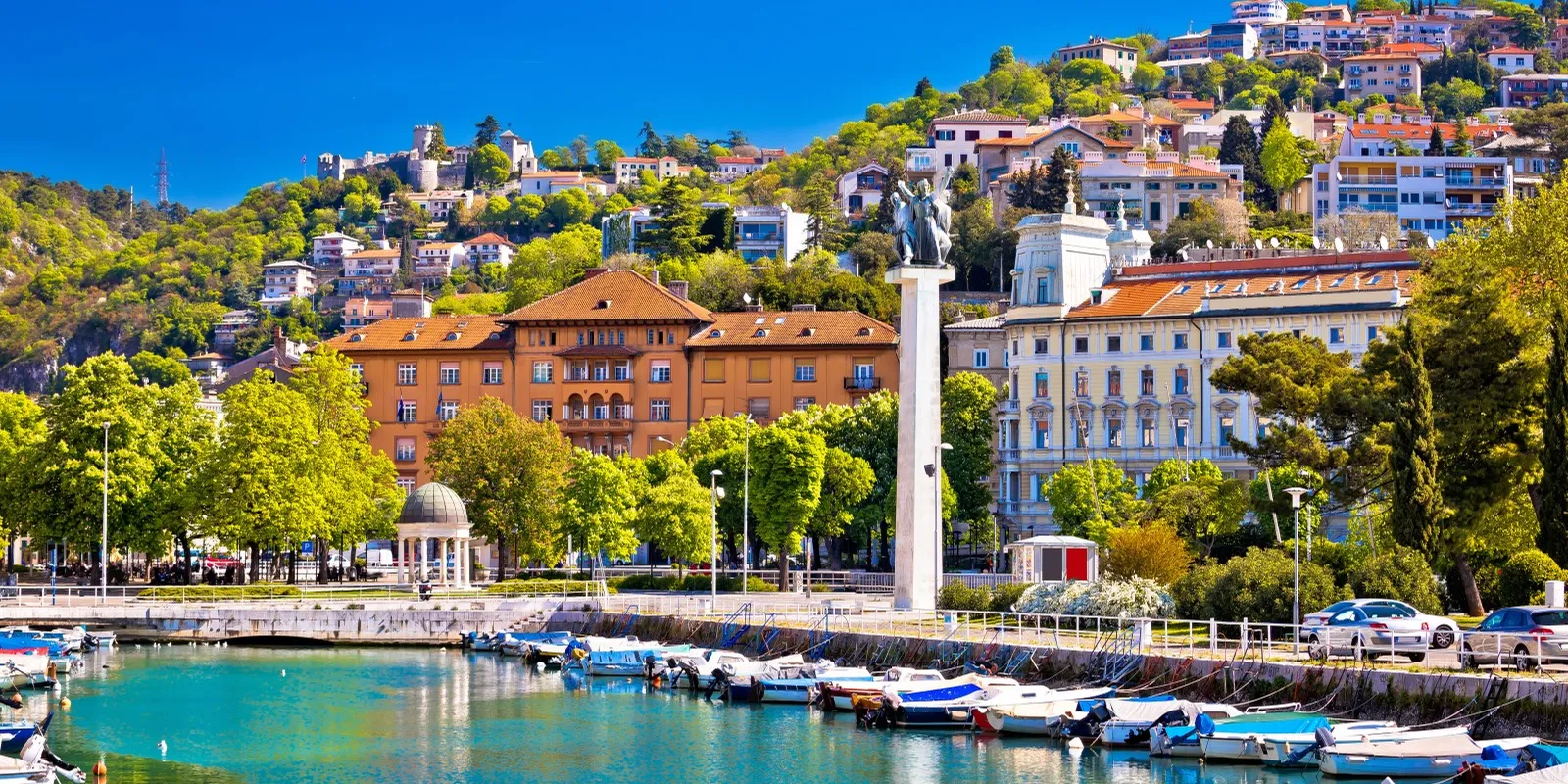
Rijeka: the city that invented the torpedo
Ljubljana: what to see in 1 day

Sungai Siring International Airport: where to stay, areas and recommended hotels
What to do if you forget a document at home

Thai Airways After the Restructuring: The Changing Fleet and the Return to Profit
