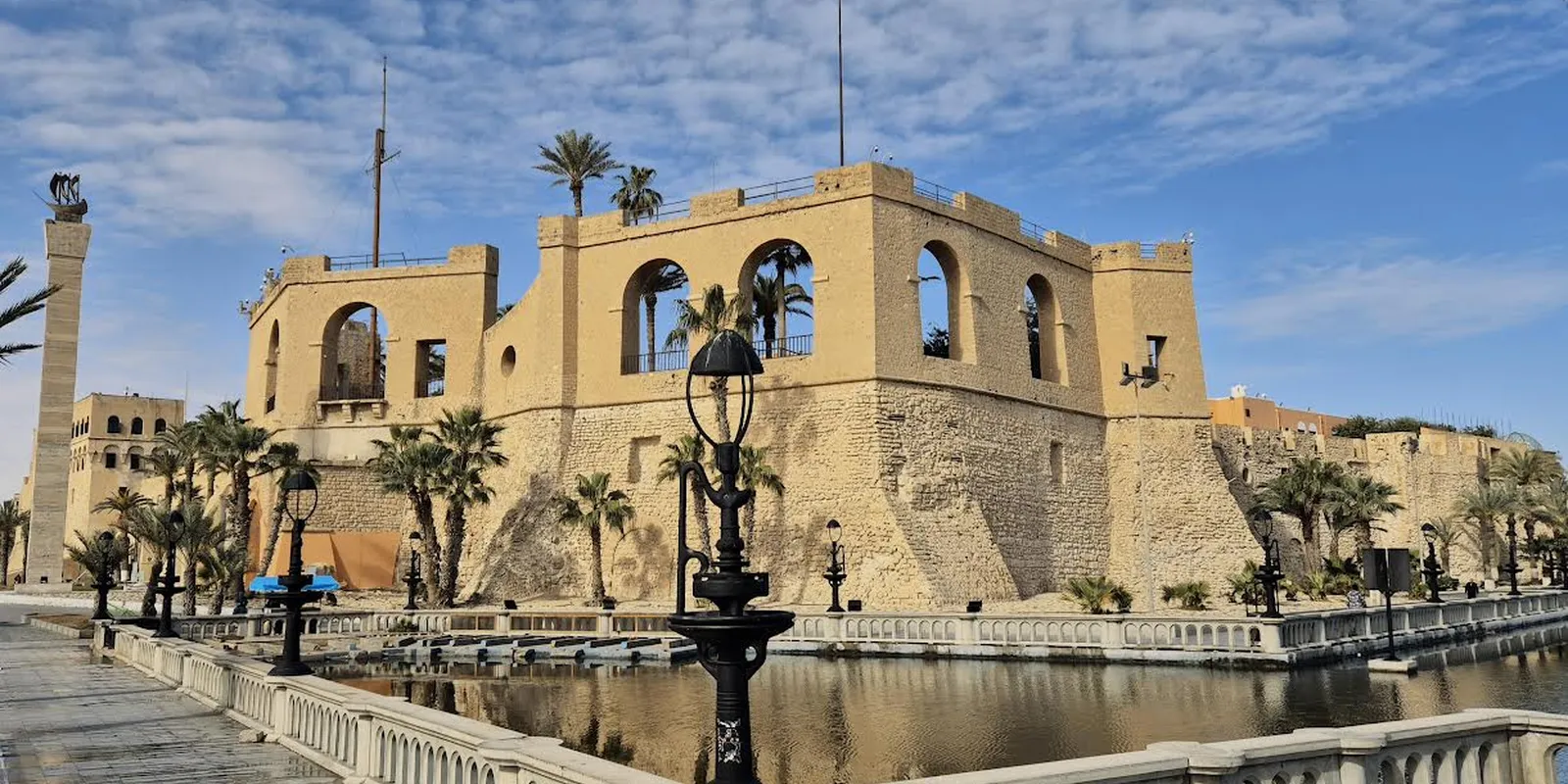

Tripoli Today: The Situation in Libya
Overlooking the Mediterranean, Tripoli preserves a well-preserved Ottoman medina, the Roman Arch of Marcus Aurelius, and the Red Castle, now home to the national archaeological museum.
Not far from the capital are also Sabratha and Leptis Magna, two of the best-preserved Roman archaeological complexes throughout the Mediterranean, both UNESCO World Heritage sites.
Since the fall of Gaddafi in 2011, Libya has not had a single unified government recognized throughout the country: rival governments in Tripoli and in eastern Cyrenaica have contested power for over a decade.
Armed militias still control large portions of the capital and clashes between factions have erupted multiple times in recent years, even in the city center.
The presence of non-state armed groups, poor predictability of security, and the risk of kidnapping have led almost all Western chancelleries to advise against all travel to the country.
The humanitarian situation remains moreover marked by the flow of migrants transiting Libya toward Europe, often detained in conditions denounced by various international organizations.
In conditions of greater security, a traveler could stroll through Tripoli's medina, visit the Red Castle and reach in a single day the Roman ruins of Sabratha, among North Africa's most spectacular.
Until Libya finds lasting political stability, however, this heritage will remain accessible only to the very few, under conditions of risk not justifiable for a leisure trip.
Related articles

You might also like...
Djerba: synagogues and Berber architecture
Lampedusa: Rabbit Beach

Malabo Airport: where to stay, areas and recommended hotels
The most common mistakes at the airport to avoid

Nay Pyi Taw International Airport: where to stay, areas and recommended hotels