
Tulsa: Art Deco born from oil
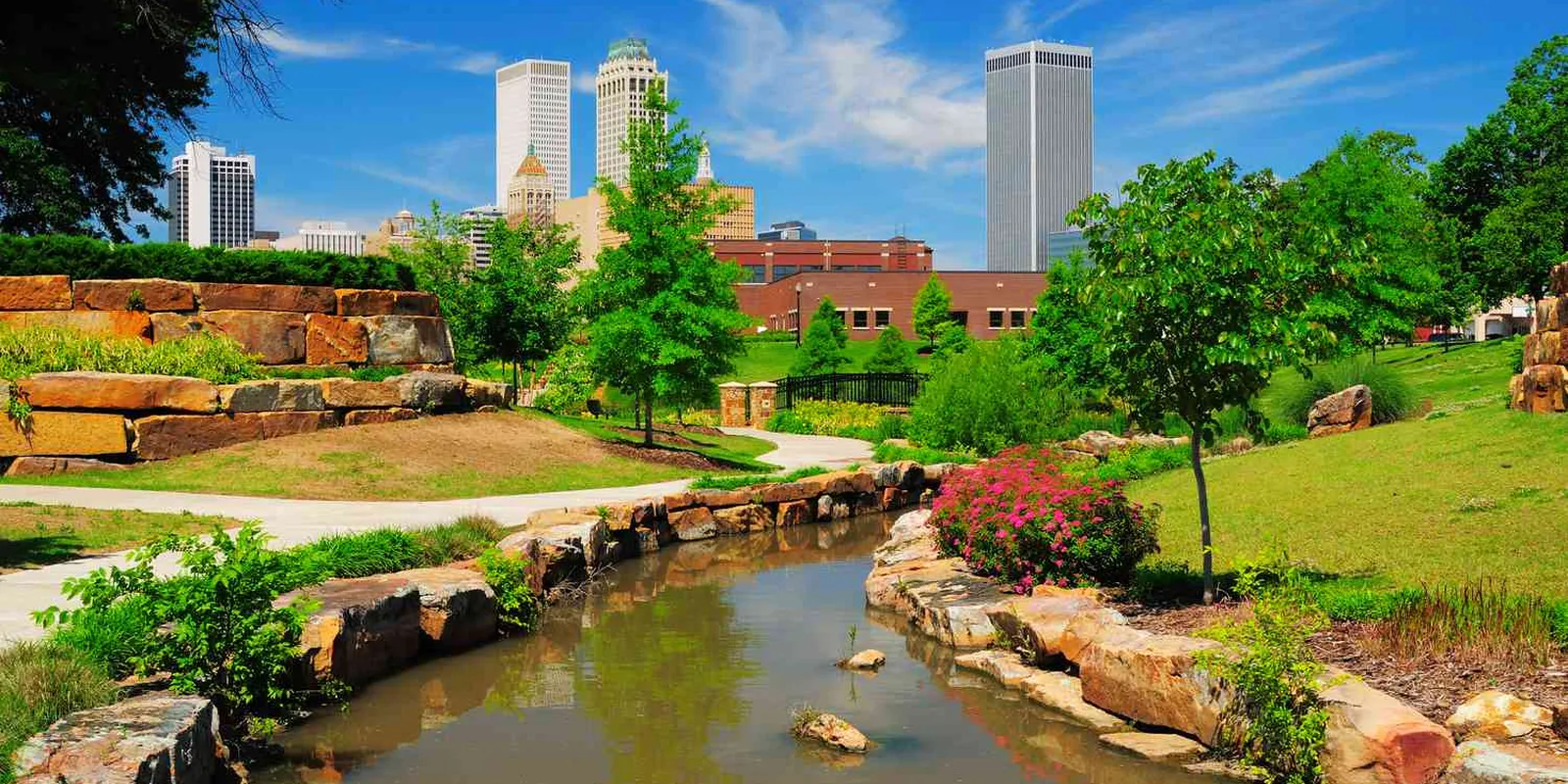
Rapidly enriched by the early 20th-century oil boom, Tulsa invested its wealth in one of the densest collections of Art Deco architecture in the United States.
The centre, rich in Art Deco architecture financed by the 1920s oil boom, is easily explored on foot.
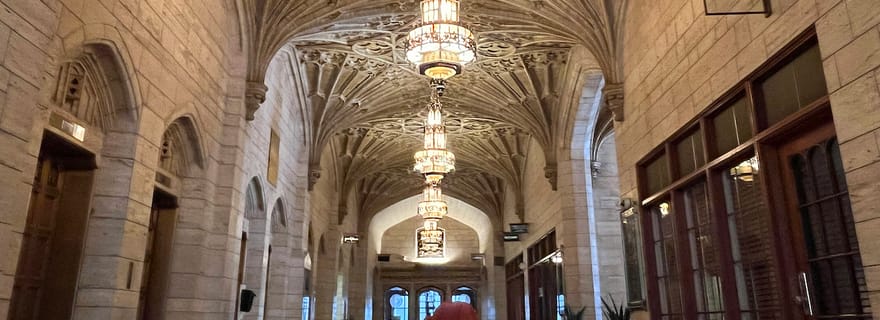
The Philcade Building and Philtower, both financed by a local oil magnate, remain among the most refined examples of Art Deco architecture in the American Midwest.
A short walk away, the Gilcrease Museum displays one of the world's greatest collections of American art and Native American art, gathered by an oil magnate of Creek descent.
Continuing, you visit the Greenwood District, once known as 'Black Wall Street' for its African American economic prosperity, destroyed by a racial massacre in 1921 and now partially rebuilt with a historic center dedicated to remembrance.
As evening falls, the Arkansas River waterfront, with its parks and pedestrian walkways, closes the day far from the downtown business area.
The Tulsa race massacre of 1921, one of the gravest episodes of racial violence in American history, destroyed an entire prosperous neighborhood in a few hours, causing hundreds of deaths never definitively established.
Only in recent years has the city begun a public process of acknowledging this historical episode, long removed from local history books.
Guided tours and experiences in Tulsa
Related articles
You might also like...
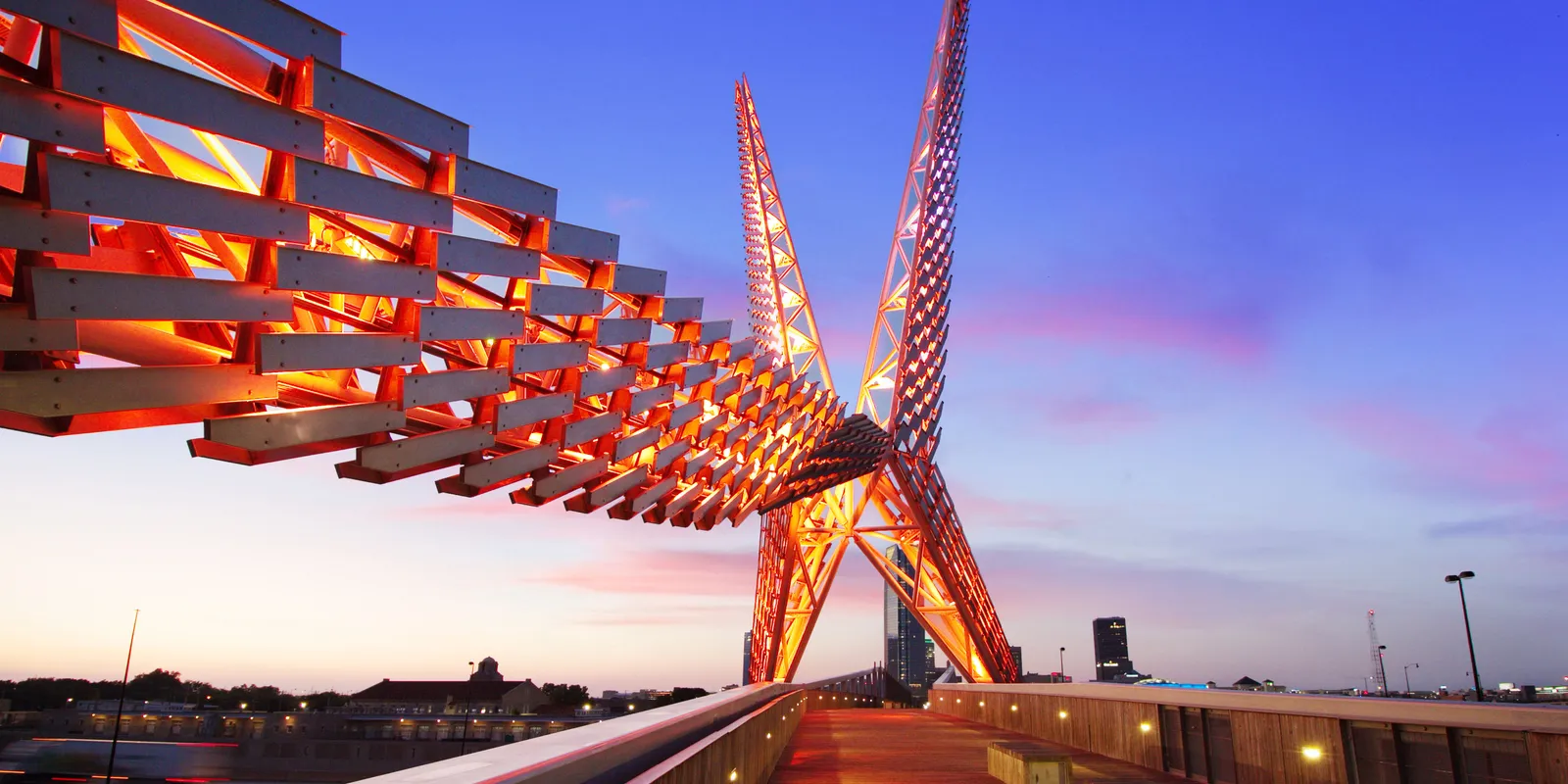
Oklahoma City: from the land run to the national memorial
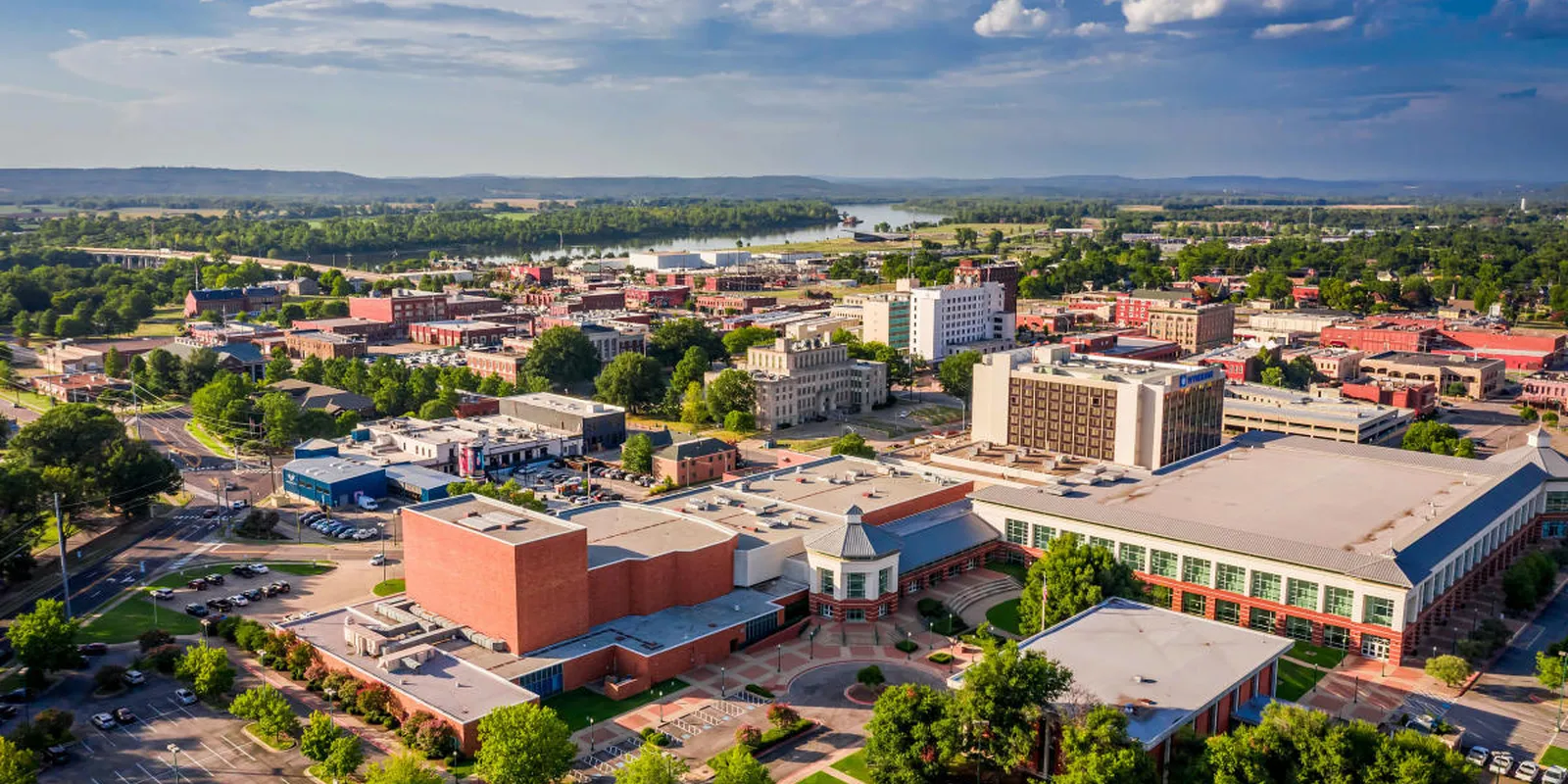
Fort Smith: hell on the edge of the West

Xi'an Xianyang International Airport: where to stay, areas and recommended hotels
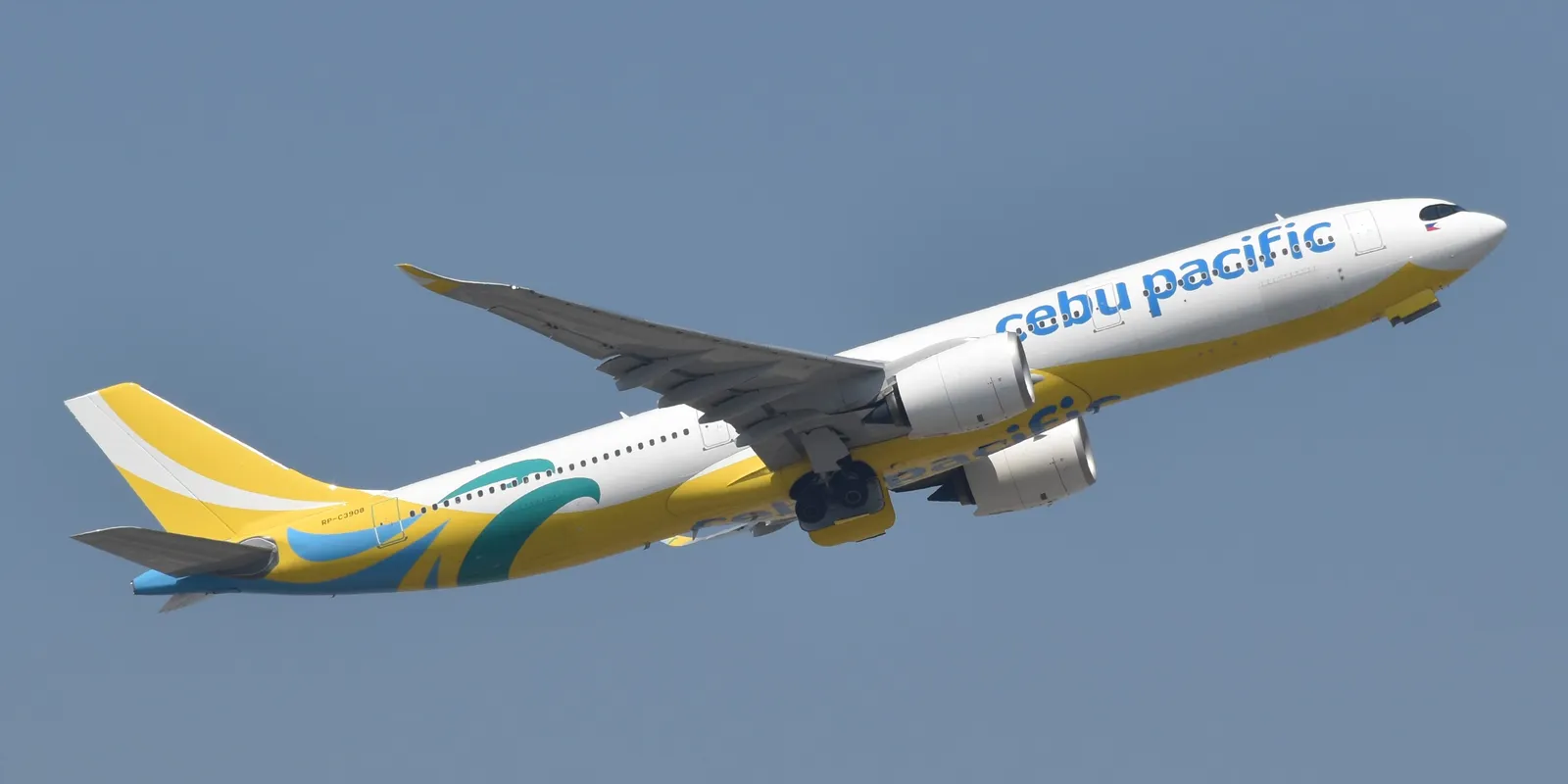
Cebu Pacific: A Guide to Fares, Fleet and What to Expect On Board in 2026
What to check the night before your flight: the evening ritual