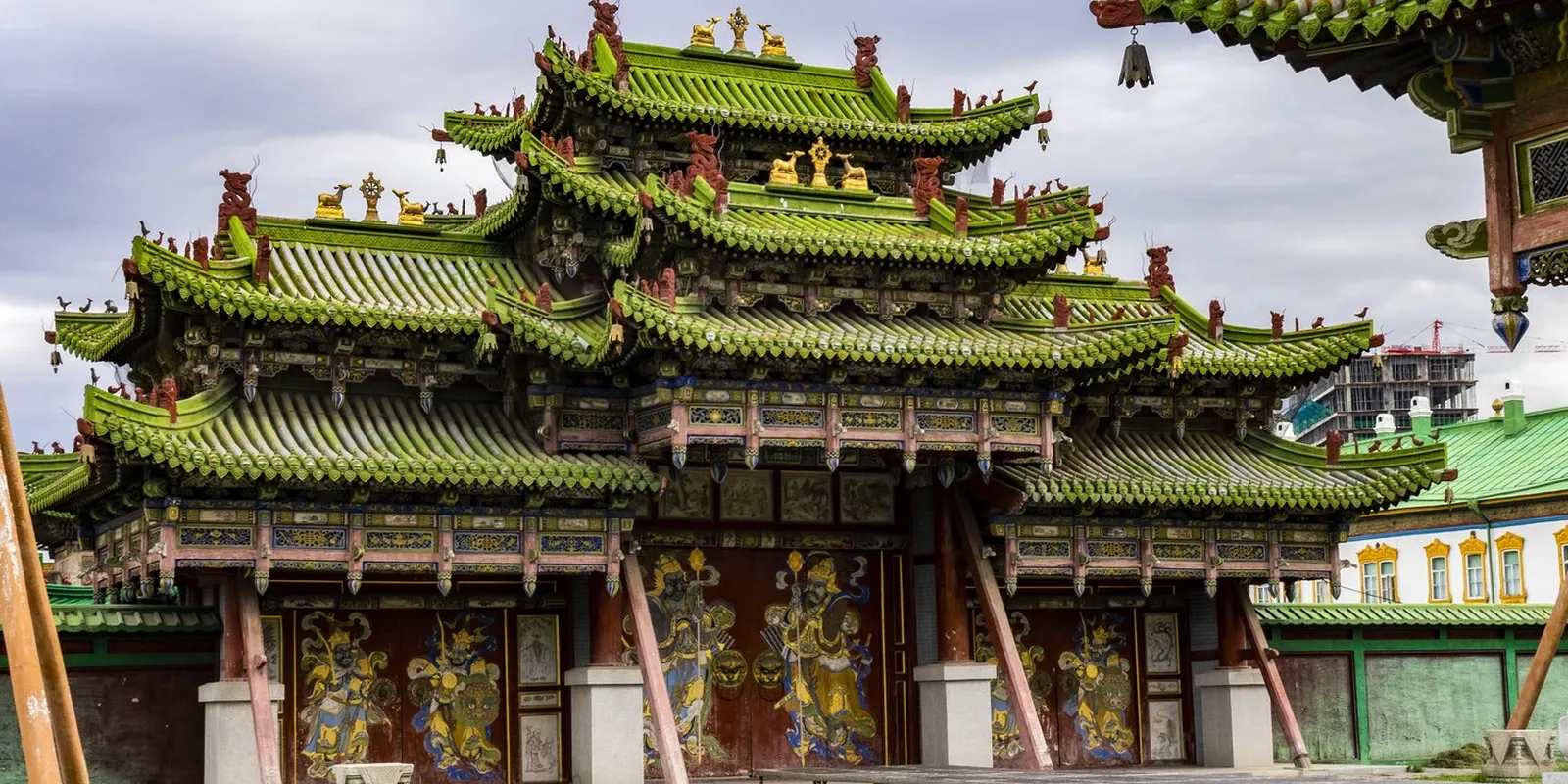

Ulaanbaatar: the world's coldest capital
The world's coldest capital city by average annual temperature, Ulan Bator remains the departure point for exploring the vast steppes of Mongolia.
The centre is explored on foot; the steppe requires a four-wheel-drive vehicle with a guide.
Sukhbaatar Square, the ceremonial heart of the city, hosts an equestrian statue dedicated to the hero of Mongolia's independence from China in 1921.
A short walk away, the Gandantegchinlen Monastery, among the few that survived the communist purges of the 1930s, houses a statue of Buddha twenty-six meters tall.
Continuing on, one visits the National Museum of Mongolia, which tells the story of the empire of Genghis Khan and nomadic traditions still practiced in the country.
In the evening, the yurt neighborhoods on the city's edges remind us how much of Mongolia's population still lives according to a semi-nomadic lifestyle.
Ulan Bator regularly reaches winter temperatures that drop well below thirty degrees below zero, a climate that coexists with a rapidly growing economy tied to the country's mineral resources.
The Gandantegchinlen Monastery survived the systematic destruction of places of worship ordered by the communist regime in the nineteen-thirties, remaining open precisely to project an appearance of religious freedom to the outside world.
Guided tours and experiences in Ulaanbaatar
Related articles

You might also like...
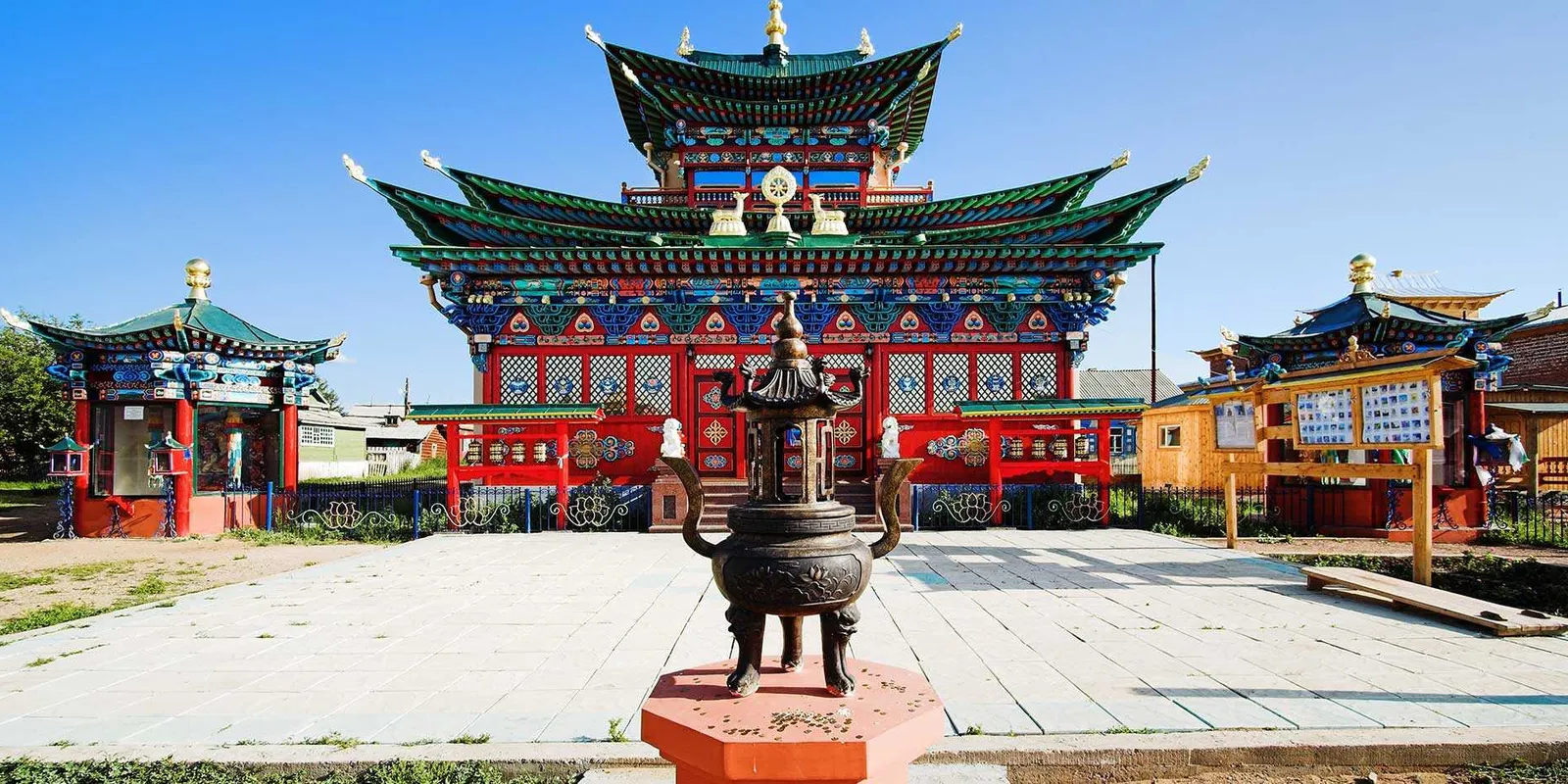
Ulan-Ude: the Buddhist temple and the world's largest Lenin head
Irkutsk: the gateway to Lake Baikal
Aerolíneas Argentinas: What Passengers Really Say

What to always check on your boarding pass

How to pack for a short trip
