
What to see in Tokyo in 1 day
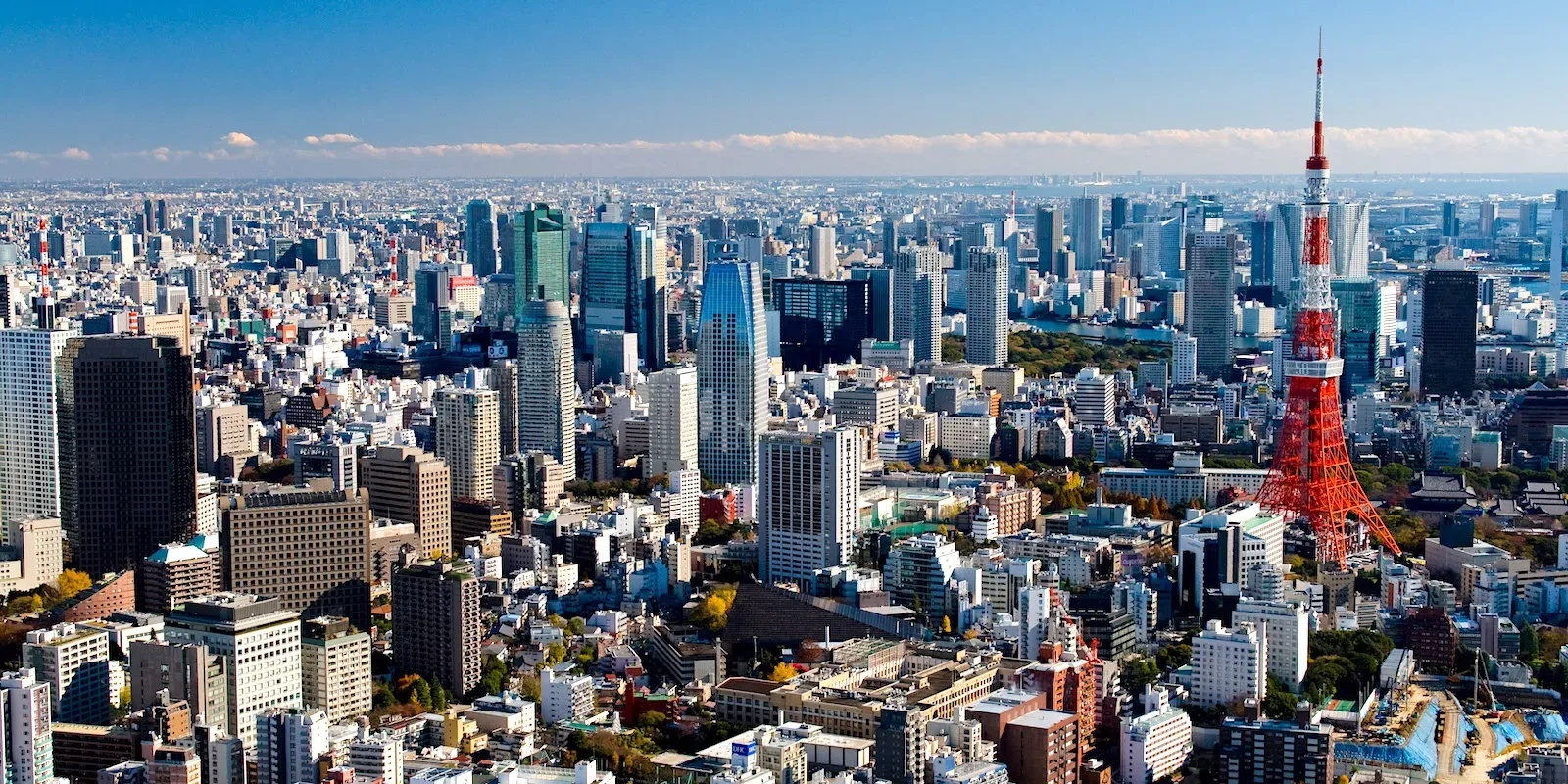
Tokyo is one of the world's most sprawling metropolises, yet a well-organized day can still capture its contrasts beautifully, following a route that runs from the historic Asakusa district all the way to the contemporary heart of Shibuya.
In between lies the vast urban forest of Meiji Jingu and the youthful shopping streets of Harajuku, so different from the morning's temple atmosphere. It's an itinerary that moves mainly by subway, staying focused on a few stops but deeply representative of the city.
Asakusa is the neighborhood to start with, the one that best preserves the atmosphere of pre-modern Tokyo.
Here stands Senso-ji, the oldest Buddhist temple in the city: you reach it by crossing the Kaminarimon, the gate with the large red lantern, and walking along Nakamise-dori, the covered street lined with stalls selling traditional sweets and souvenirs.
Not far away looms Tokyo Skytree, Japan's tallest telecommunications tower: from its observation decks you can see the entire urban expanse, a good way to get an idea of the city's proportions before moving on.
In the early afternoon, you can head toward Meiji Jingu, the Shinto shrine nestled in an artificial forest of over 100,000 trees donated from across Japan: the contrast with the metropolis's traffic you've just left behind is stark, and the long approach avenue between the torii gates is one of the quietest paths in the city center.
Leaving the shrine, you're already in Harajuku, the youth fashion neighborhood: the short and crowded Takeshita-dori concentrates streetwear shops and colorful dessert cafes, while the parallel Omotesando has a more elegant character, with big-brand boutiques.
From here, one metro stop takes you to Shibuya, home to the world's busiest pedestrian crossing: when the light turns green, hundreds of people cross it simultaneously from every direction—a spectacle you can watch from above through the windows of cafes overlooking the intersection.
For the evening, two nearby neighborhoods offer different atmospheres: Omoide Yokocho, a maze of very narrow alleys just steps from Shinjuku Station with small smoking yakitori joints and few seats, or the Golden Gai district, with its rows of tiny bars each seating just a handful of people, often with a theme.
Traveling Tokyo between Asakusa and Shibuya, passing through the forest of the Meiji Jingu and the streets of Harajuku, puts face to face the two most recognizable souls of the city, the historic and the contemporary one, then leaving the evening choice between Omoide Yokocho and Golden Gai.
Quarters like Akihabara, with its concentration of electronics and otaku culture, and the entire Ginza area remain left out, more suited to those with a second day at their disposal. But it is enough to move from a Shinto shrine to a crowded neon intersection to understand the contrasts that make Tokyo so particular.
Guided tours and experiences in Tokyo


Related articles
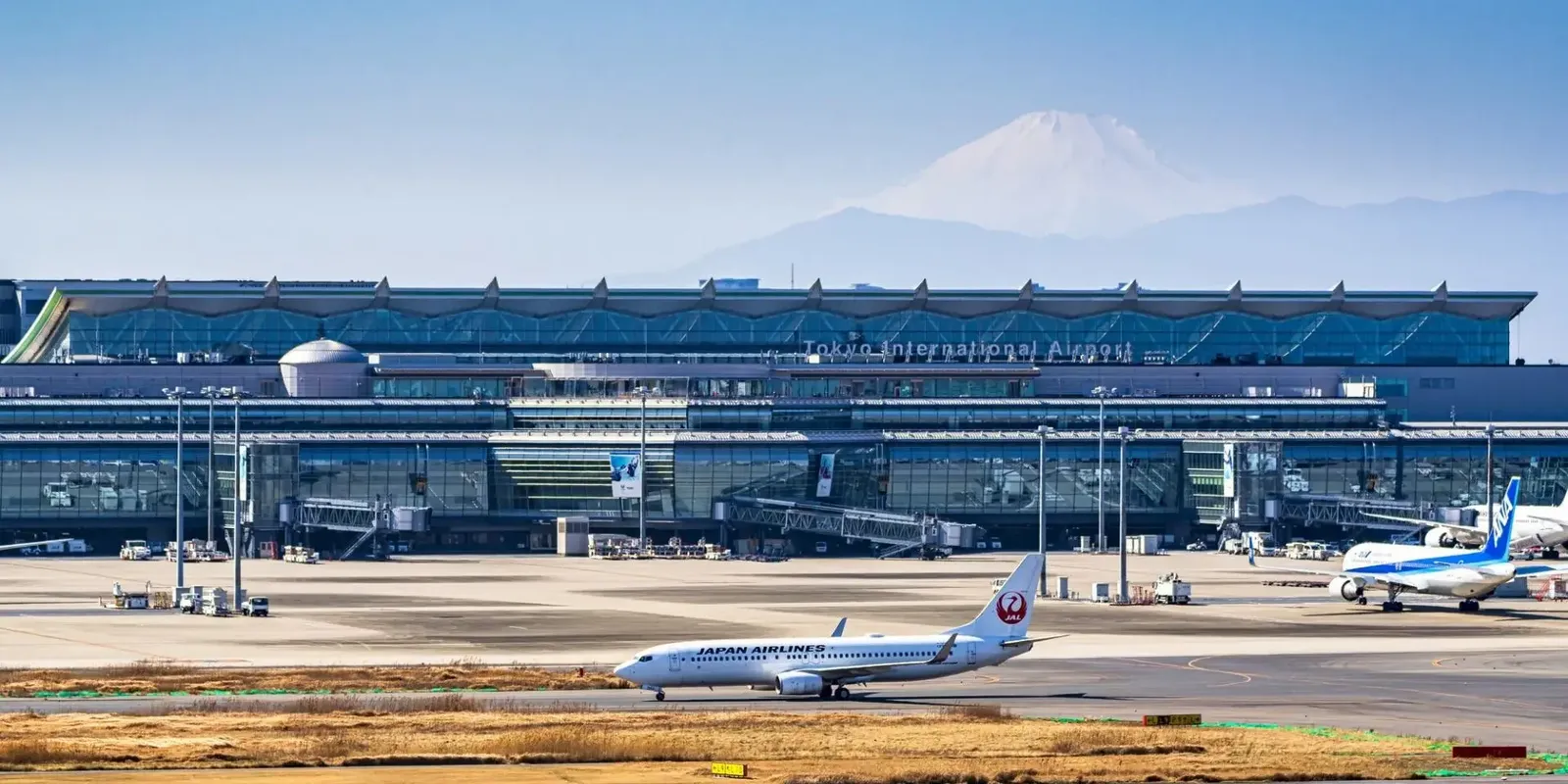
Tokyo International Airport
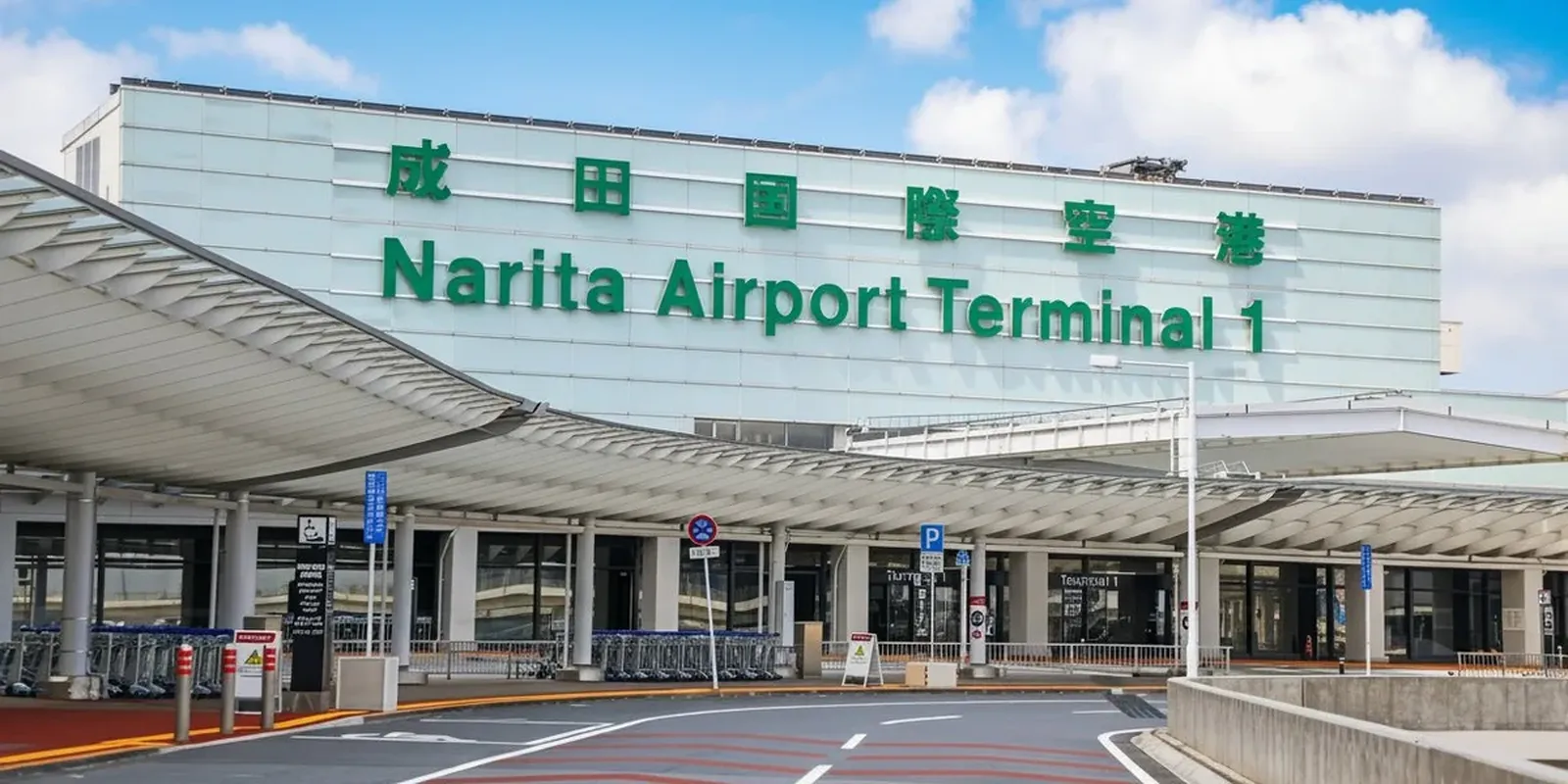
Narita International Airport

Tokyo International Airport: where to stay, areas and recommended hotels

Narita International Airport: where to stay, areas and recommended hotels
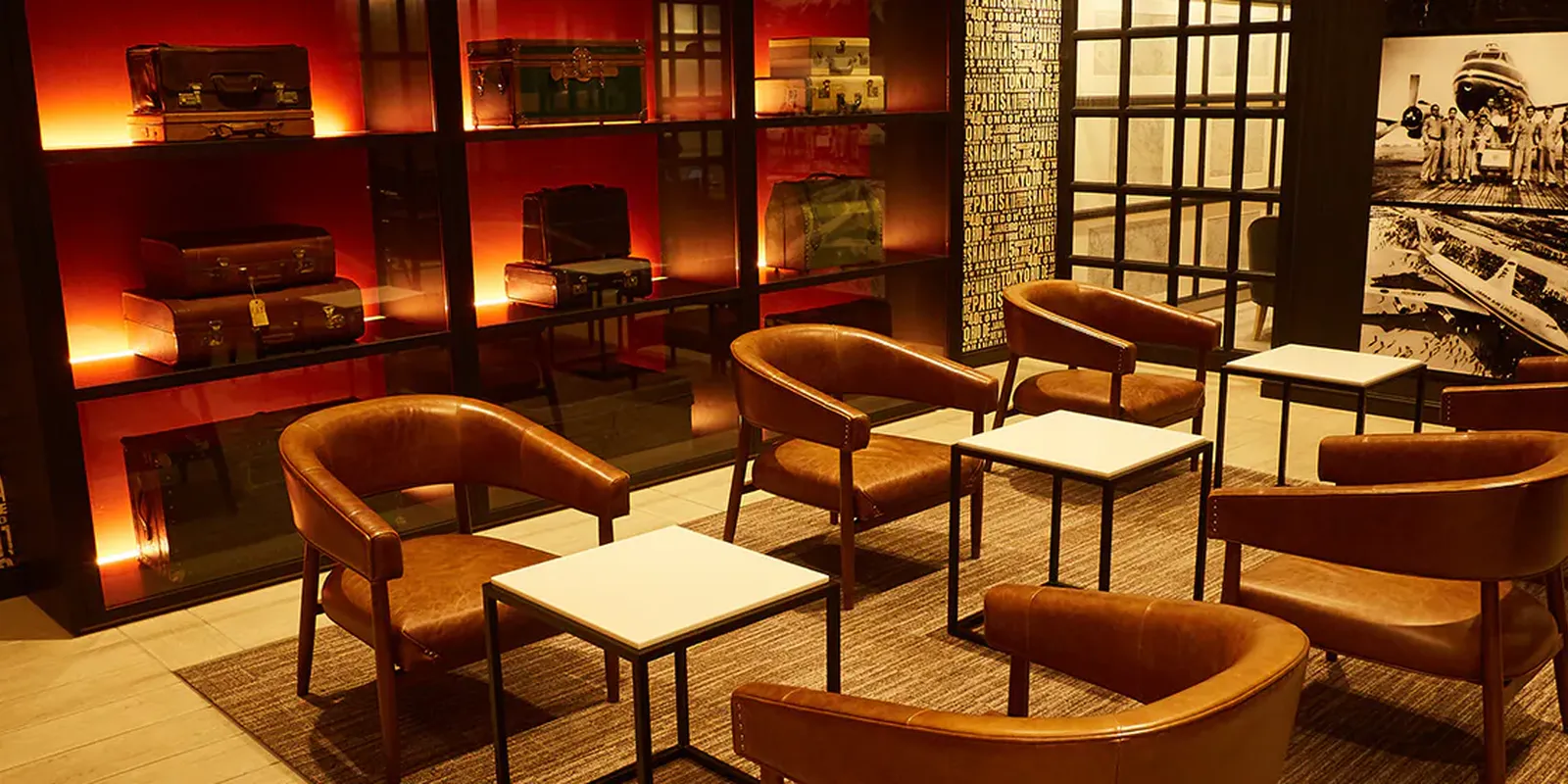
Haneda lounges for domestic and international flights
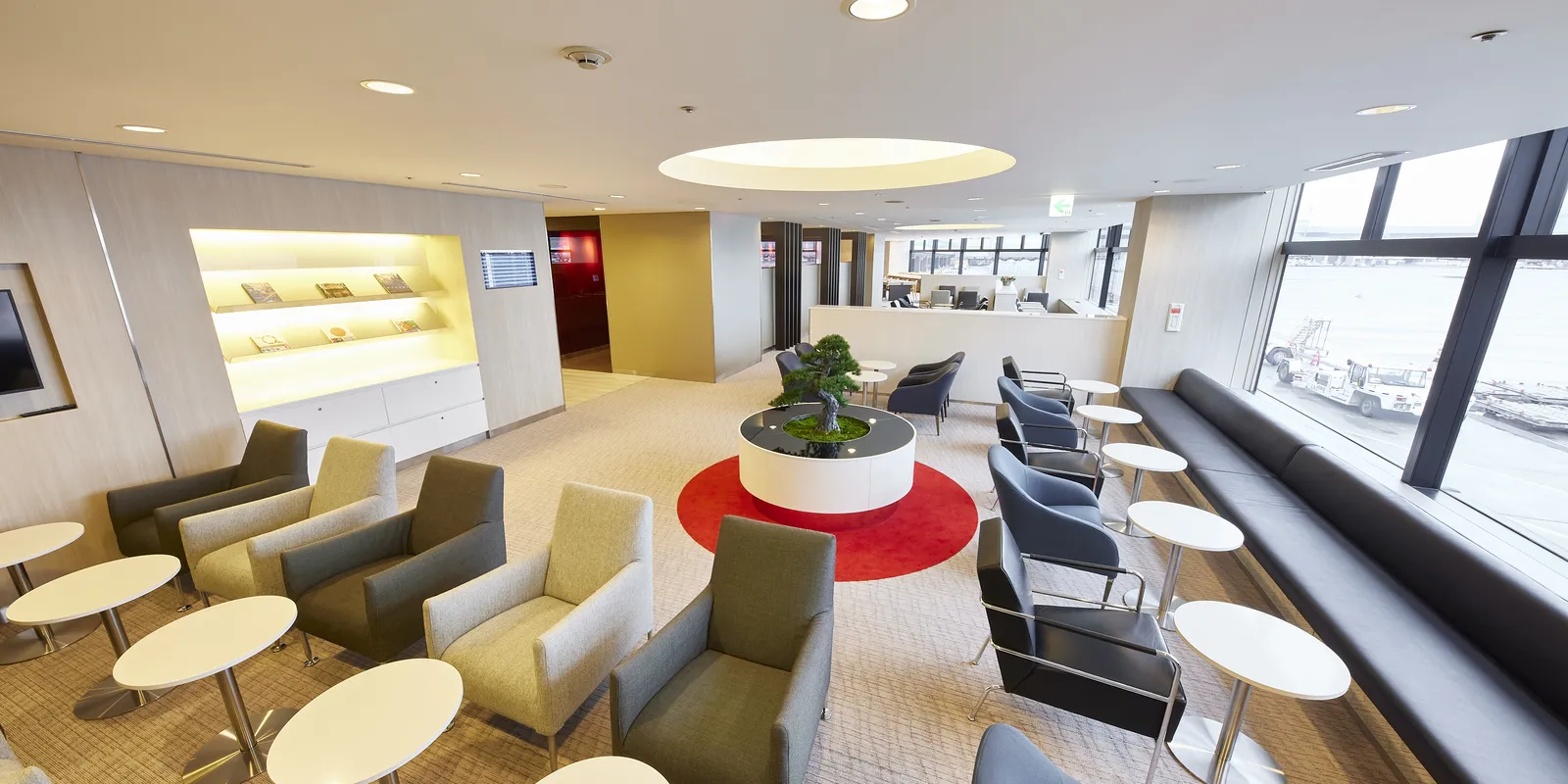
Narita lounges: how to find your way between T1 and T2
You might also like...
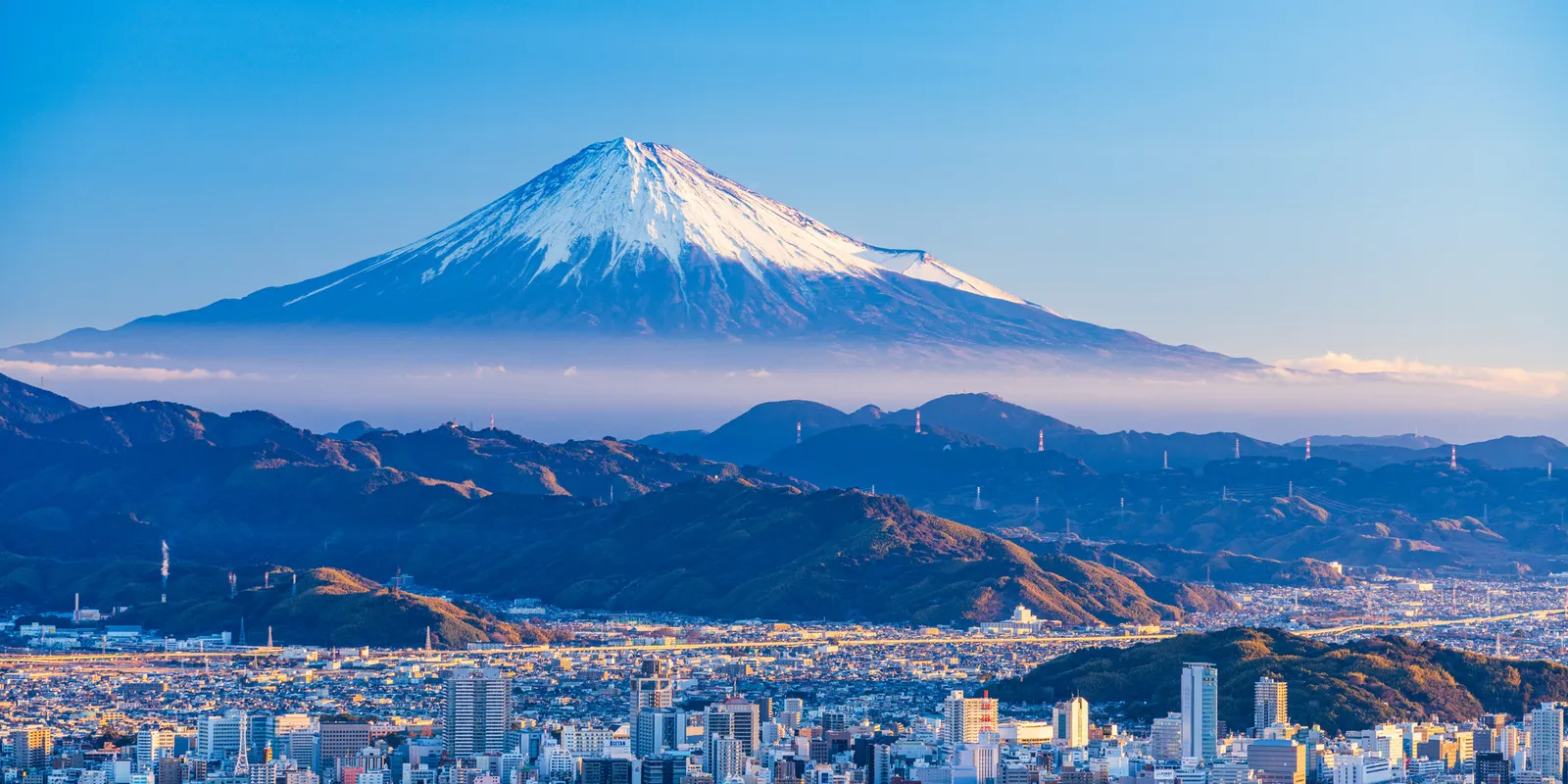
Shizuoka: green tea in the shadow of Mount Fuji
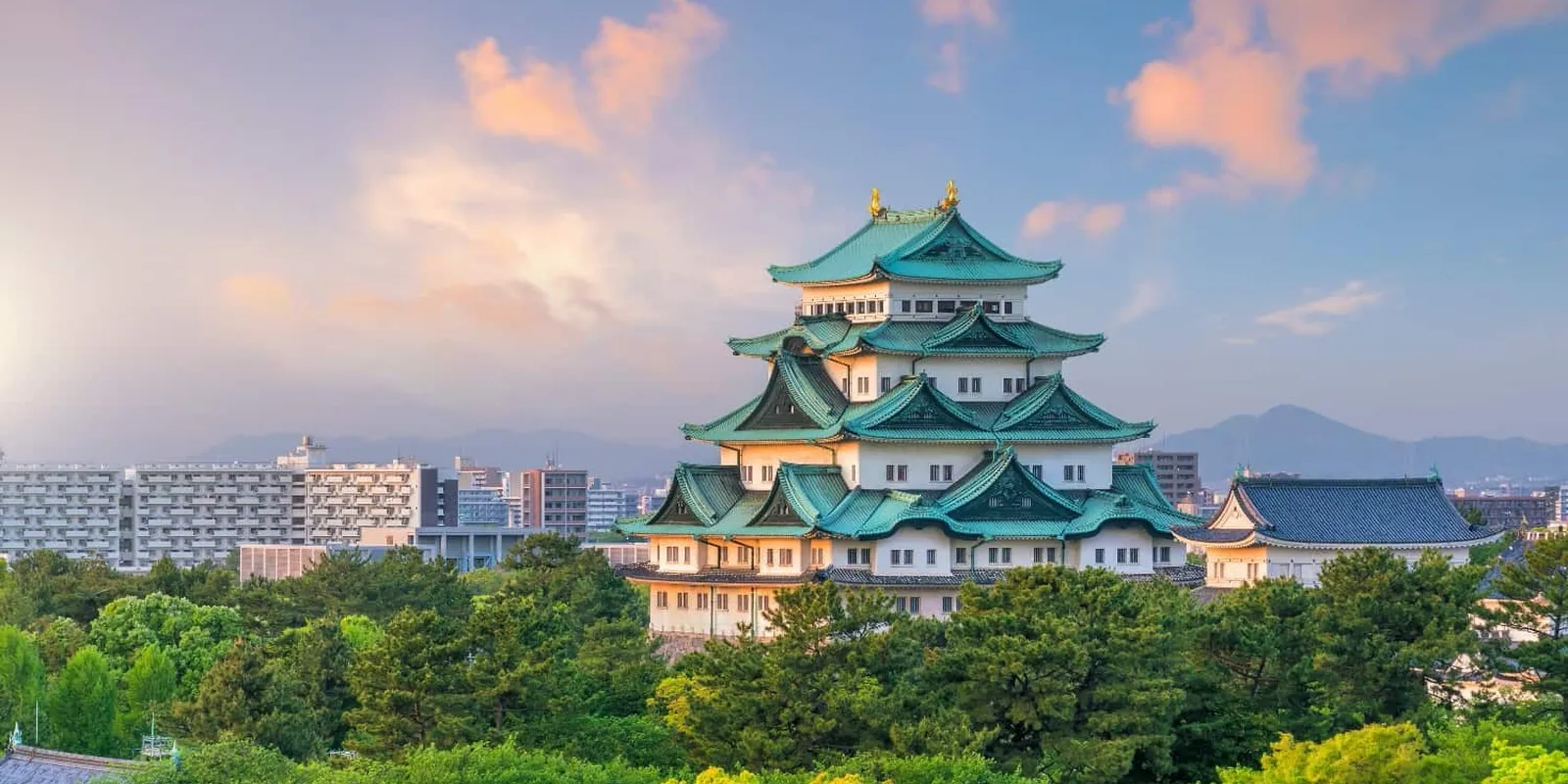
Nagoya: the castle with the golden fish

Aegean Airlines: What to Expect From Greece's National Carrier, According to Passengers

Tan Son Nhat International Airport: where to stay, areas and recommended hotels

Frequent flyer programs: how to earn points quickly