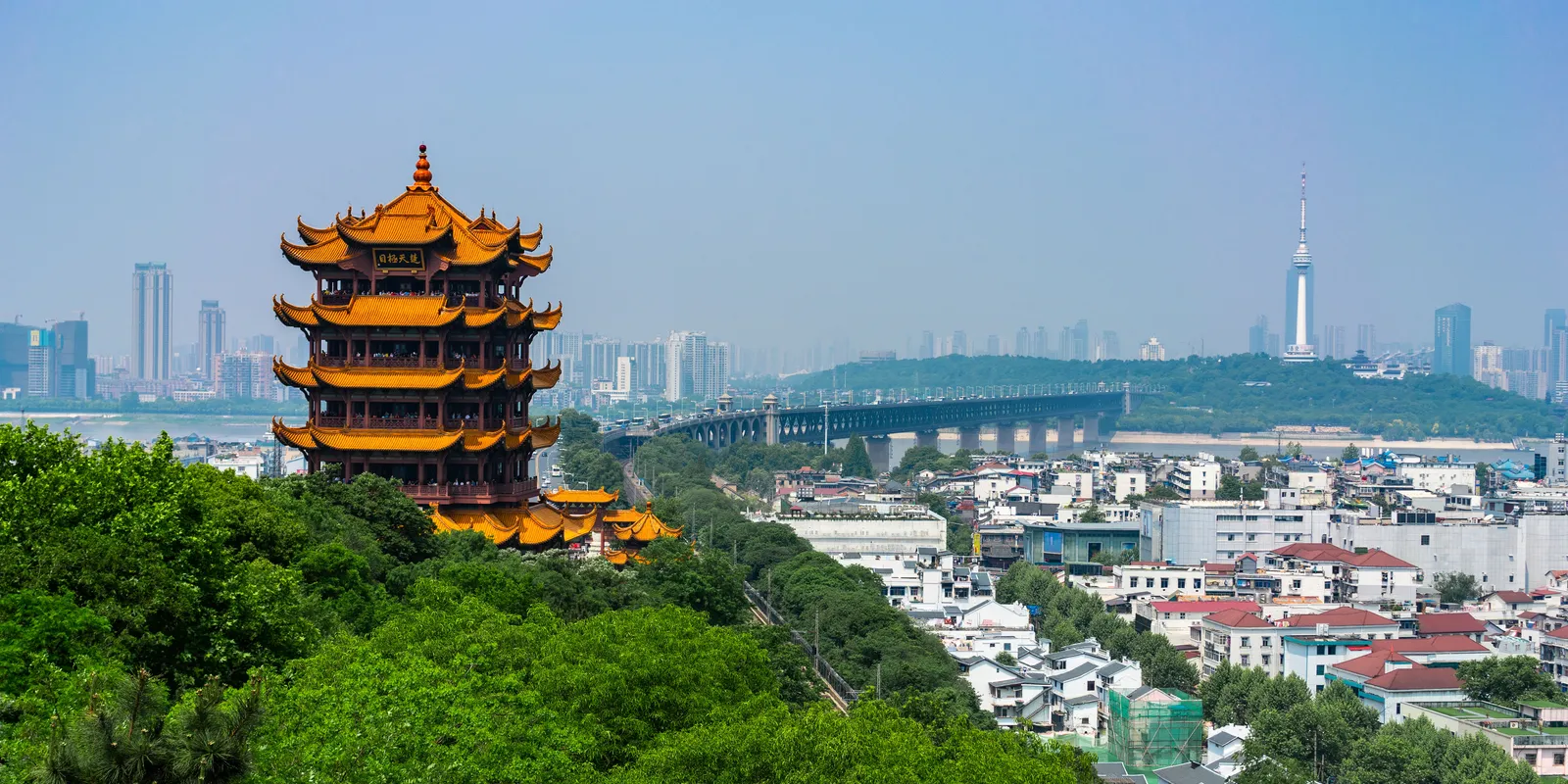

Wuhan: the Yellow Crane Tower on the river
Crossroads of the Yangtze for two thousand years, Wuhan was born from the union of three distinct cities separated by the river and its Han tributary, now connected by bridges that have become symbols of the city themselves.
The historic center and main lake are conveniently reached by metro.
The Yellow Crane Tower, rebuilt in 1985 after the original from the third century was destroyed multiple times over centuries, inspired generations of Chinese poets and is today the architectural symbol of the city across five stories overlooking the Yangtze.
The Wuhan Yangtze River Bridge, the first bridge to connect the two banks of the river in its entire history, was completed in 1957 with Soviet technical assistance and remains a symbol of China's post-war industrialization.
The Hubei Provincial Museum houses the complete set of sixty-five bronze bells of the Marquis Yi of Zeng, a musical instrument from twenty-four hundred years ago still capable of producing two distinct notes for each single bell.
The East Lake, more extensive than the West Lake of Hangzhou despite being less known to foreign tourists, offers cycling paths and botanical gardens along a shore almost never crowded.
The bronze bells of the Marquis Yi, buried for over two millennia, still sound today in reproductions used in concerts: few archaeological artifacts remain so literally audible.
From the Yellow Crane Tower, the 1957 bridge and the Eastern Lake are both visible on the horizon — two different ways Wuhan has learned to coexist with the water that runs through it.
Related articles

You might also like...
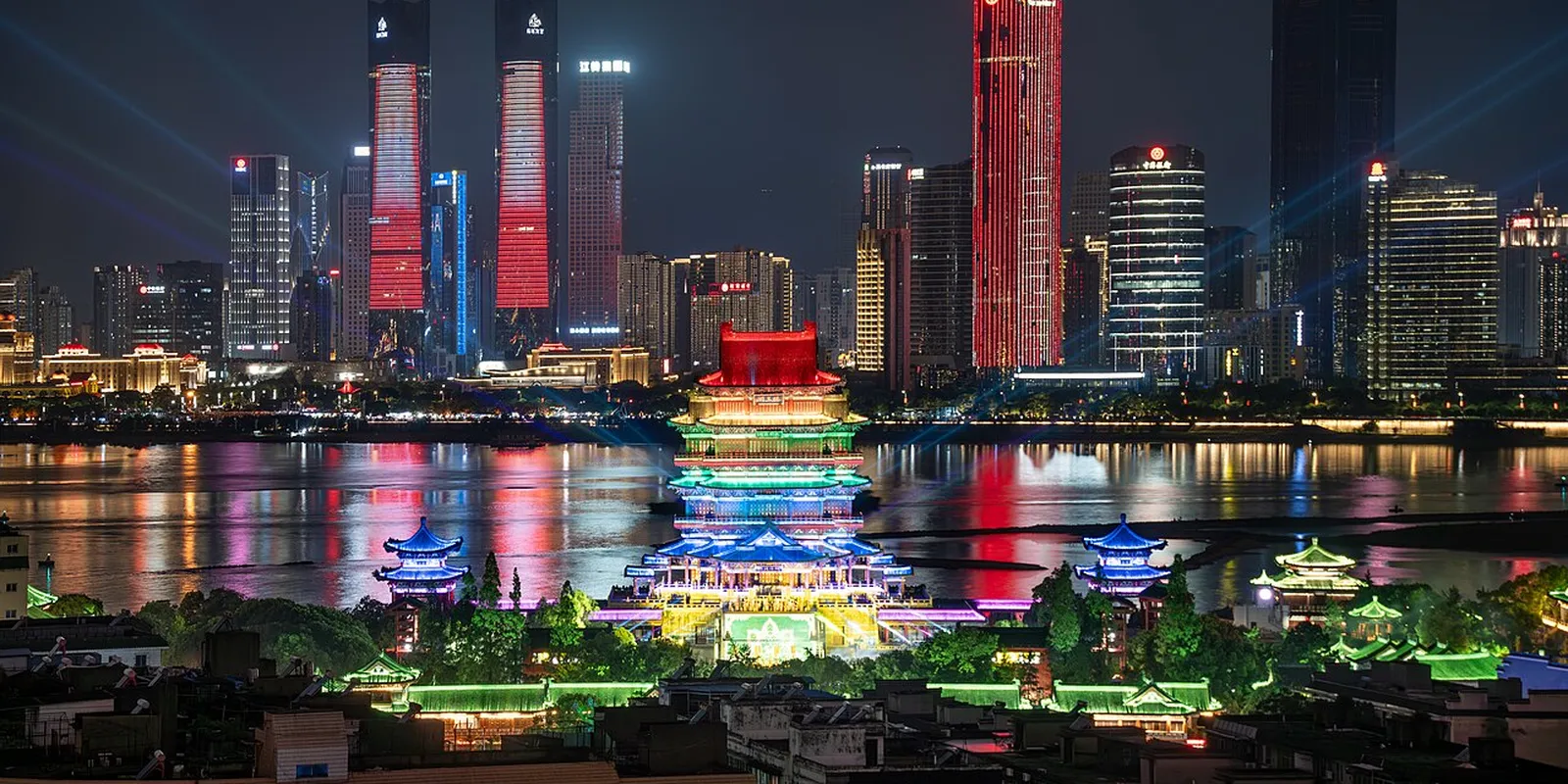
Nanchang: the tower that inspired a thousand-year-old poem
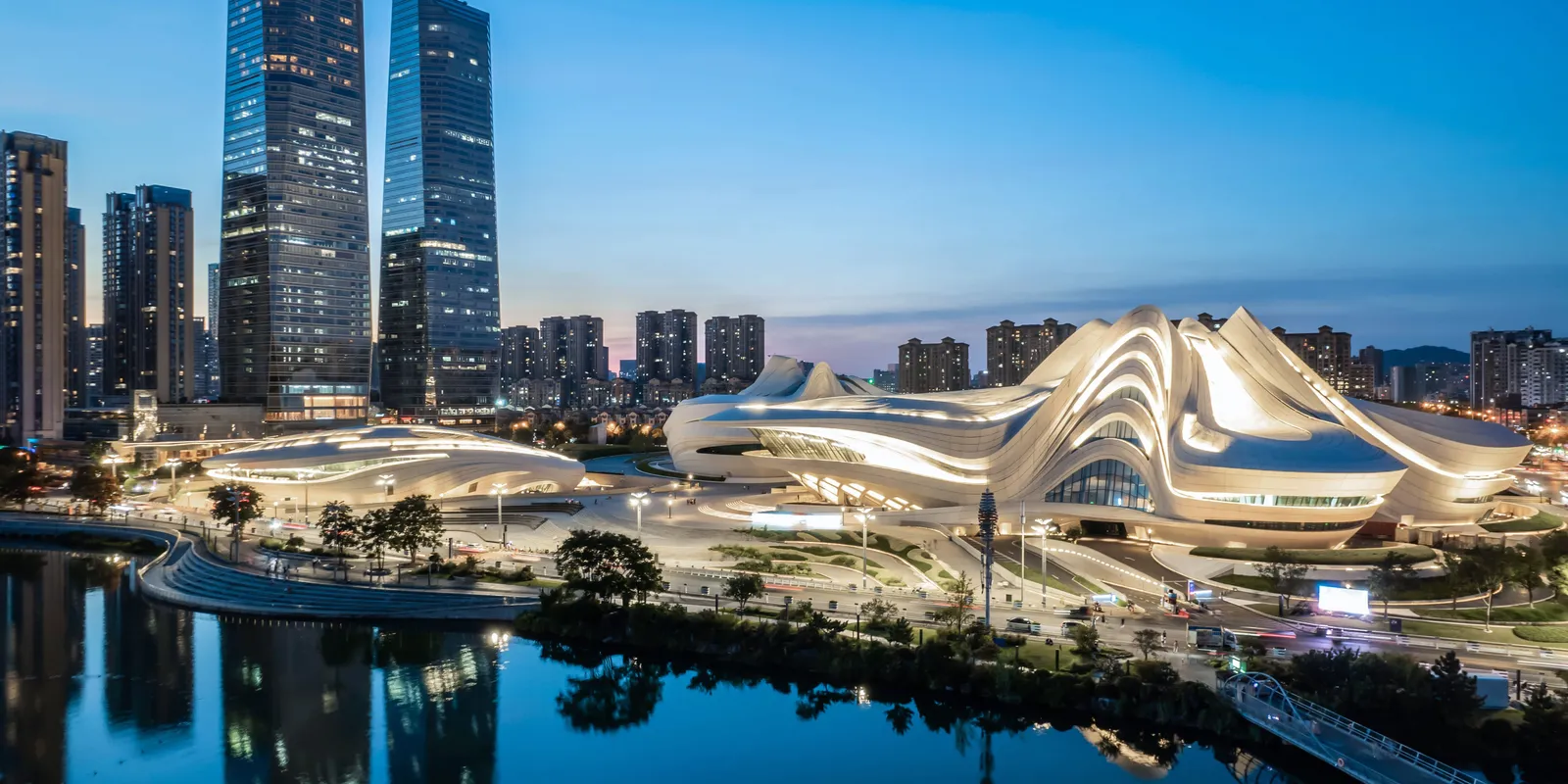
Changsha: Orange Isle and Han treasures

Boarding pass on your phone: what to know before you leave
Spring Airlines: What Flying Low-Cost in China Really Costs

Sarasota Bradenton International Airport: where to stay, areas and recommended hotels
