Yekaterinburg: where the last tsar met his end
In 1918, in a house in Yekaterinburg, the family of Russia's last tsar Nicholas II was executed by the Bolsheviks, an event that symbolically marked the end of the tsarist empire.
The centre, where the last tsar was executed in 1918, is easily explored on foot.
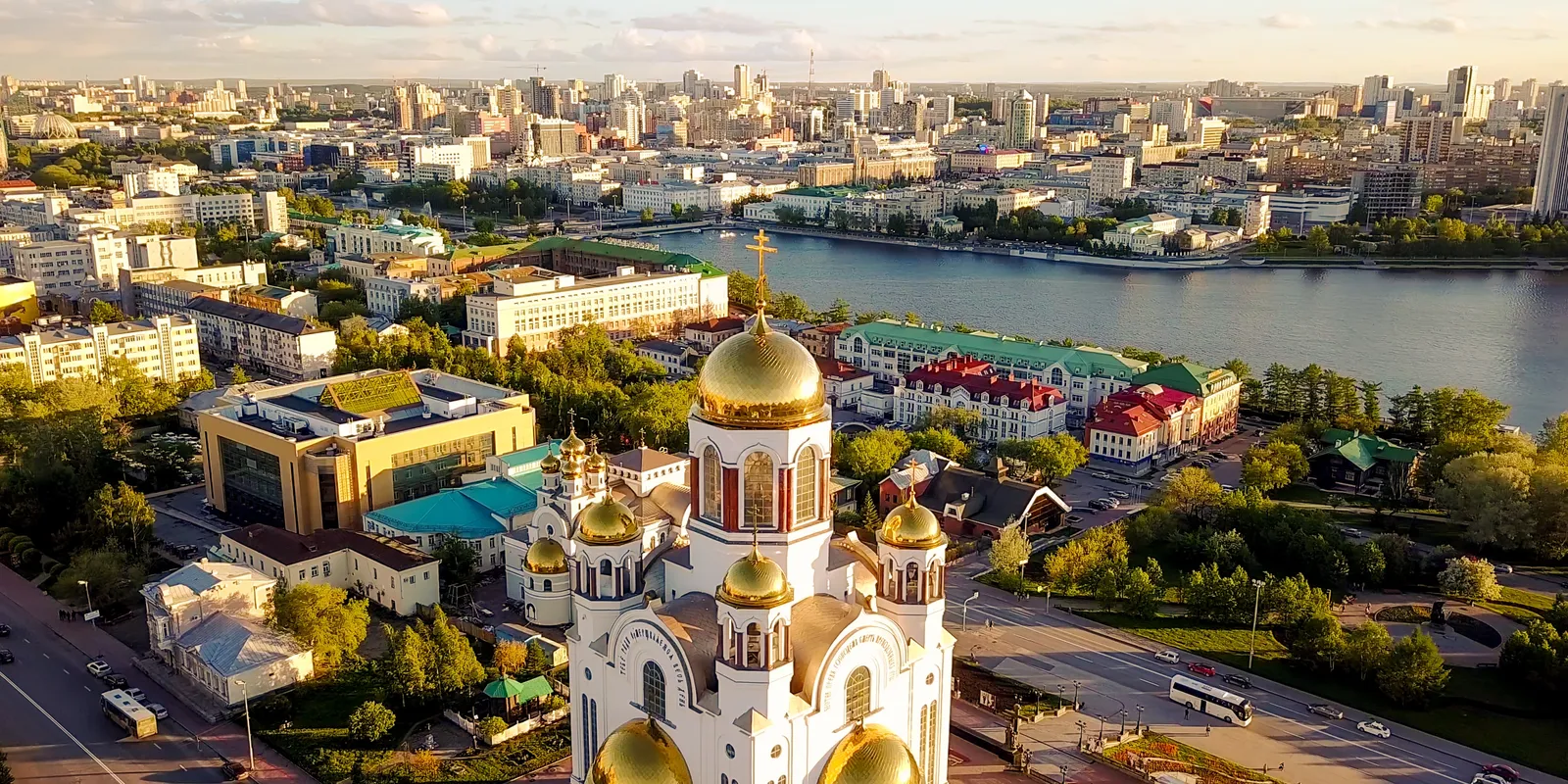
The Church on the Blood, built in 2003 on the exact site where the Romanov family was executed, now houses a memorial dedicated to the last tsar and his family.
A short walk away, the Europe-Asia Border, a monument just outside the city, marks the conventional point where the Ural Mountains divide the two continents.
Continuing on, one visits the Boris Yeltsin Museum, dedicated to Russia's first post-Soviet president, born in the Ekaterinburg region.
In the evening, the city pond waterfront, created in the eighteenth century to power the first metal factories of the Urals, closes the day in the industrial heart of the city.
The remains of the Romanov family, hidden for decades after the 1918 execution, were definitively identified only through genetic analysis conducted in the nineteen-nineties and two-thousands.
Yekaterinburg, Russia's fourth largest city by population, owes its historical importance to its strategic position in the Ural Mountains, rich in minerals exploited since the eighteenth century for the Tsarist metal industry.
Related articles
You might also like...
Ufa: the bronze horseman of Bashkiria
Kazan: the Kremlin where a mosque and cathedral coexist

Malindi Airport: where to stay, areas and recommended hotels
Nadi International Airport: where to stay, areas and recommended hotels

How to choose the airline based on your trip