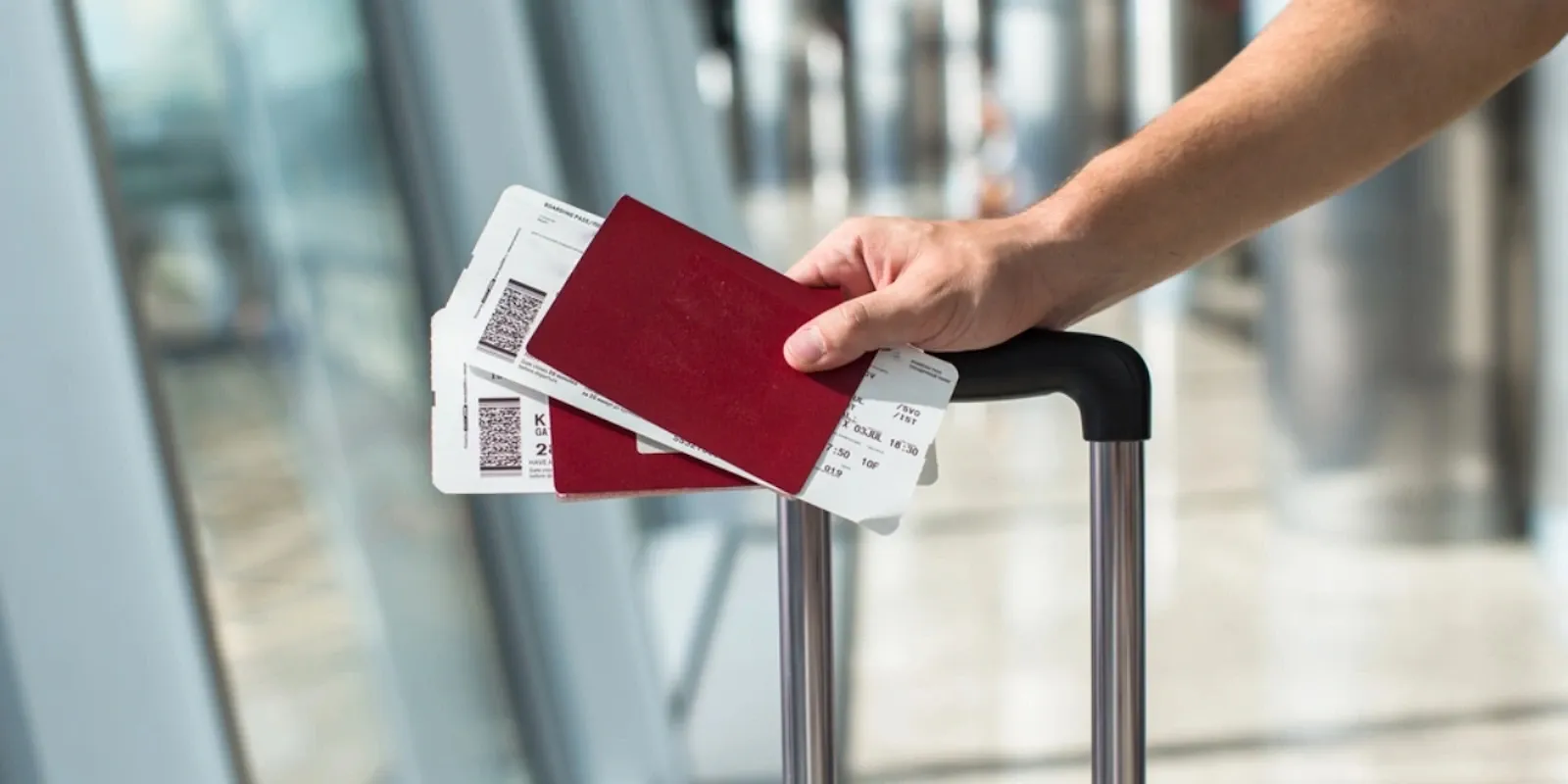
Documents for traveling abroad without surprises
Beyond passport and visa, many borders request less obvious documentary evidence: financial availability, booked accommodation or onward travel ticket. Discovering the need only at the check-in counter may be enough to stay grounded.
Proof of funds, accommodation and onward travel
Several countries refuse entry to those holding only a one-way ticket, because they fear an irregular stay beyond permitted limits: some airlines refuse boarding already at check-in if the passenger does not demonstrate a return flight or onward travel to another destination. Proof of funds, almost always a recent bank statement viewable also from your phone, is checked on a random basis more often than believed, while proof of accommodation (hotel confirmation or invitation letter from your host) is required especially for tourist visas, but sometimes also at the border regardless of the visa already granted.
Travel insurance and yellow fever certificate
For non-EU citizens requiring a visa, travel medical insurance with minimum coverage of 30,000 euros remains mandatory for the Schengen area under the EU Visa Code. Those arriving from yellow fever transmission risk zones, especially in sub-Saharan Africa and South America, must present the vaccination certificate in original (not a photo on your phone): the WHO sets the minimum age at 9 months, with administration between 6 and 9 months only in exceptional circumstances and contraindication under 6 months, so any possible exemption for a too young child should be verified with the embassy, not assumed automatic.
Customs: cash, ATA carnet and professional goods
Those entering or leaving the European Union with 10,000 euros or more in cash (even in different currency) must declare it at customs; from 17 January 2025 controls and penalties for incomplete or omitted declarations are stricter. Those transporting valuable professional equipment, such as photography or video material, can avoid repeated customs duties with the ATA carnet: from 1 June 2026 the document transitioned to digital form (e-ATA) throughout the EU, available only in the standard form valid for unlimited travel within the year, at a cost of 122 euros, requestable online through the Cert'O platform of the Chambers of Commerce.
Minors without a parent and controlled medications
Many Latin American countries require a notarized statement from the absent parent explicitly authorizing the minor's travel. Those transporting medications containing substances subject to restrictions in the destination country, even if legal and prescribed in Italy, should carry a letter from their physician attesting to medical necessity: regulations on this point vary widely and are often more restrictive than European ones.
For a broader picture on visas and entry permits, it may be useful to consult the guide Visas and permits: how to navigate foreign bureaucracy.
None of these documents replace passport and visa, but together they can block an otherwise organized trip. The safest way to avoid surprises is to check the specific requirements on the website of the embassy of the destination country, not on generic sources found online.
You might also like...

Federico Garcia Lorca Airport: where to stay, areas and recommended hotels
What documents you need depending on the type of flight
Handling layovers at massive airports: how not to get exhausted
Visas and permits: navigating foreign bureaucracy
Rex (Regional Express): What It Means to Book a Flight Today While the Airline Is in Administration