Ear pain on planes: useful tips to prevent it
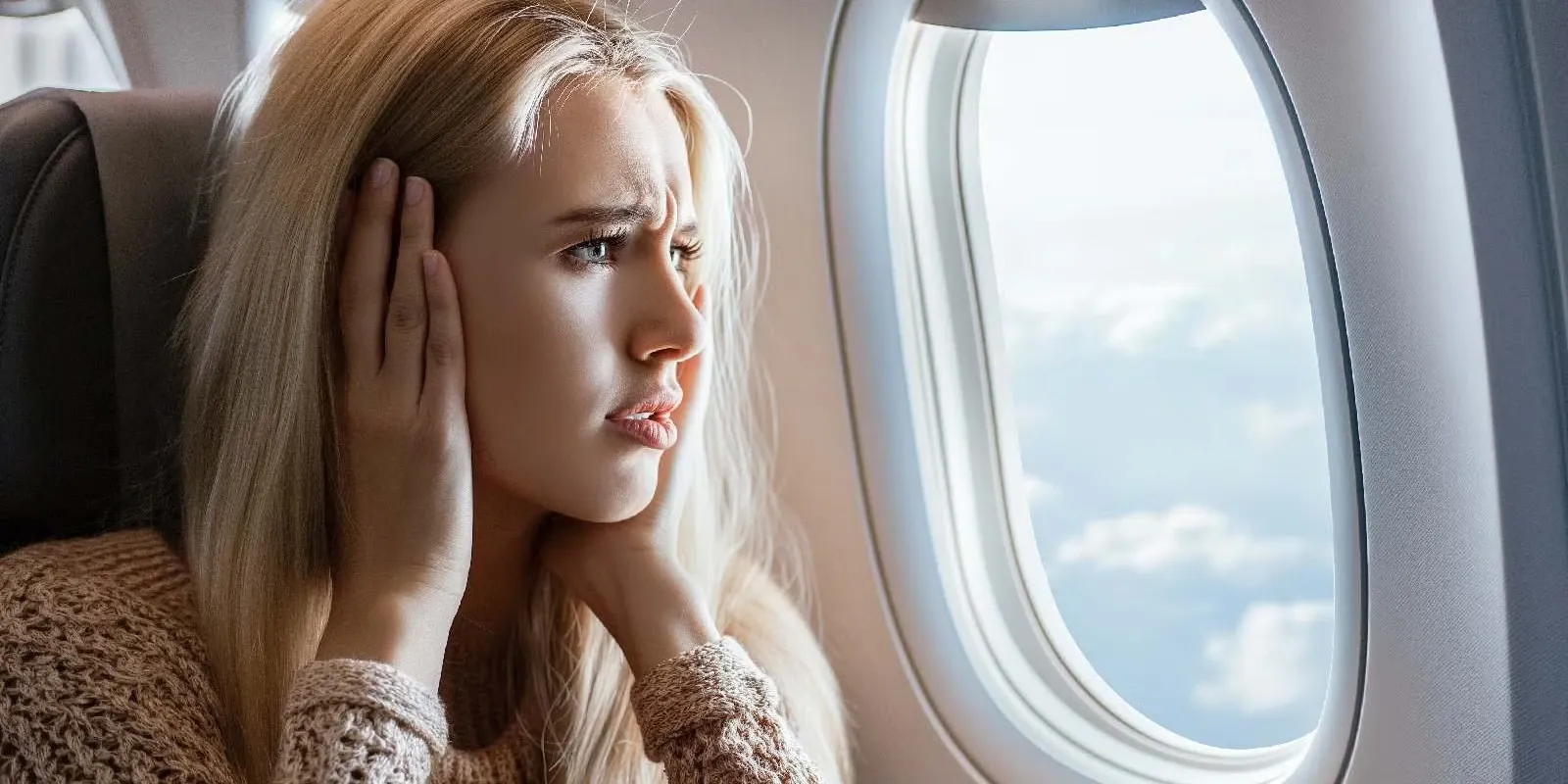
Ear pain during takeoff and landing is caused by pressure difference between the middle ear and cabin, and in most cases is prevented with active swallowing or the Valsalva maneuver.
Swallowing and the Valsalva maneuver
Chewing gum or sucking a candy during pressure-change phases encourages frequent swallowing, which opens the Eustachian tube and equalizes the middle ear. When this isn't enough, the Valsalva maneuver - closing your nose and mouth and exhaling gently - rebalances pressure more directly; perform it delicately, never with excessive force.
Pressure-regulating earplugs
Filtering earplugs designed for flying, like those in the EarPlanes line, contain a ceramic regulator that gradually slows the pressure change perceived by the eardrum, unlike normal earplugs that only isolate from noise; some models also reduce cabin noise by roughly 20 decibels.
Colds, congestion, and children
Those flying with a cold or congestion should use a decongestant spray about thirty minutes before takeoff, because these conditions significantly increase the risk of intense pain and, in serious cases, barotrauma. Small children, who cannot swallow on command, benefit from a bottle, pacifier, or sip of water offered right during climb and descent phases.
It applies to both flight phases: swallow actively not only at takeoff but throughout descent as well, when discomfort returns just as often.
You might also like...
How to always have your travel documents on your phone
Lounges at Sabiha Gökçen: which one to choose in Istanbul
Turkmenistan Airlines: What to Know About the State Carrier That Controls the Country's Skies
Fear of flying: strategies and solutions that really work

Samui Airport: where to stay, areas and recommended hotels