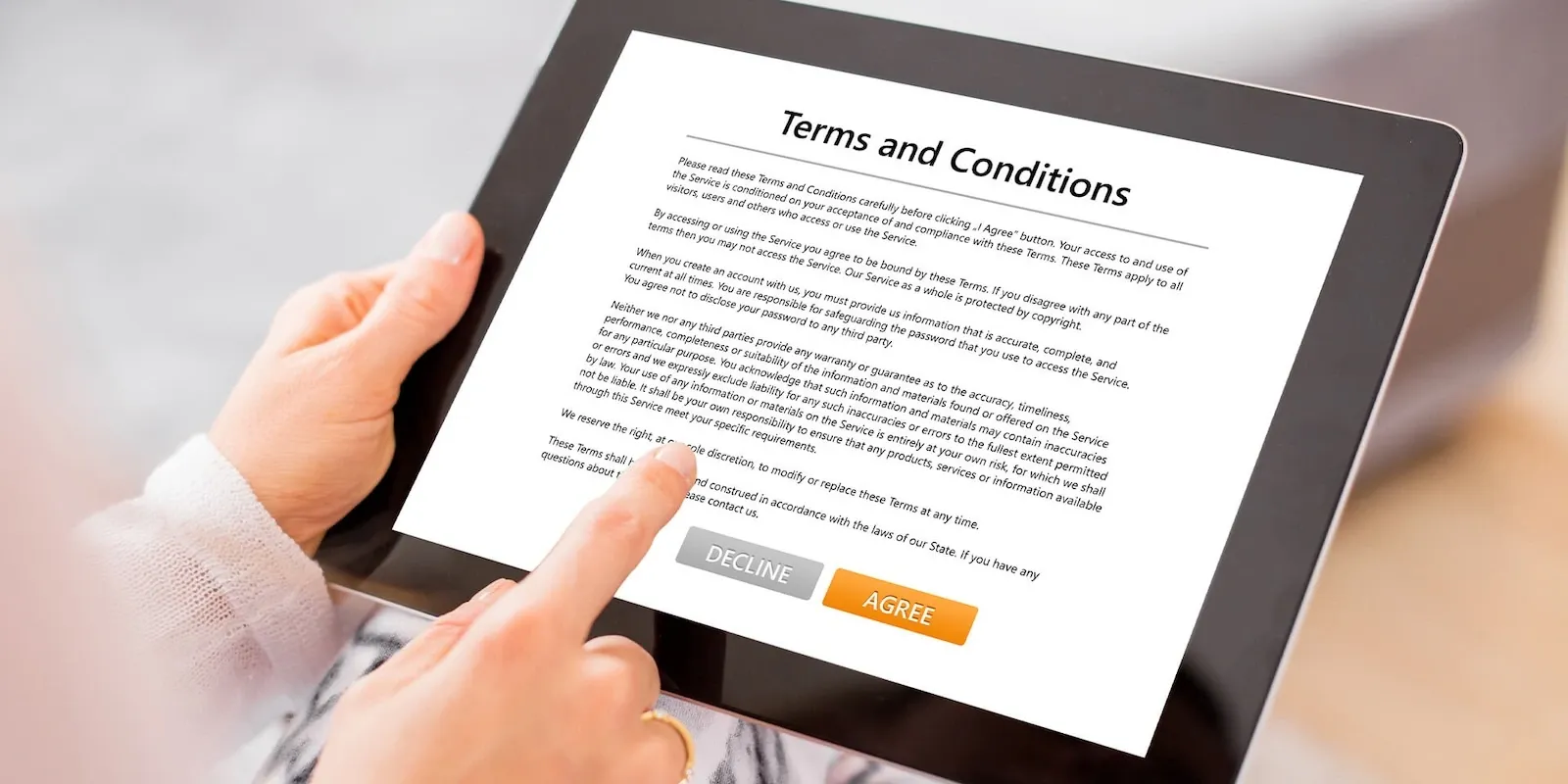
How to read the terms of a plane ticket
The document with the contractual conditions of an airline ticket, often ignored for its length, contains information that can make a concrete difference in case of unexpected issues during your trip.
Changes, cancellations and journey interruption
The rules on changes and cancellations are usually among the first sections of the document and clarify whether the ticket includes fixed penalties, percentage charges on the price or an absolute ban on changes. A less known clause concerns journey interruption: many contractual terms provide that if you don't show up for an initial segment, the airline can automatically cancel the following segments of the same ticket — a real risk on itineraries with multiple stops.
Special baggage and rights in case of service failure
Sports equipment, musical instruments and animals in your care follow different rules from the standard ones shown during booking, and should be sought in a dedicated section. Clauses on delay, cancellation or denied boarding refer to applicable regulations and often specify precise hour thresholds: knowing them in advance prevents requesting compensation that isn't due, or failing to request compensation you're actually entitled to.
A practical check before anything else
Verifying that the document consulted is the updated version applicable to your ticket is the first step, because conditions can change over time even on the same route. It's also worth saving a copy at the time of purchase, so the exact version valid for that ticket remains available even if the online page is updated later.
In case of doubt about an unclear clause, contacting the airline directly is safer than interpreting it yourself: a question before the flight avoids a dispute after.
You might also like...

Coastal Aviation: The Bush Flight Airline That Takes You to Tanzania's Parks

Larnaca International Airport: where to stay, areas and recommended hotels

Gyumri Shirak Airport: where to stay, areas and recommended hotels

Tips for your first flight: taking off with confidence

Boarding pass on your phone: what to know before you leave