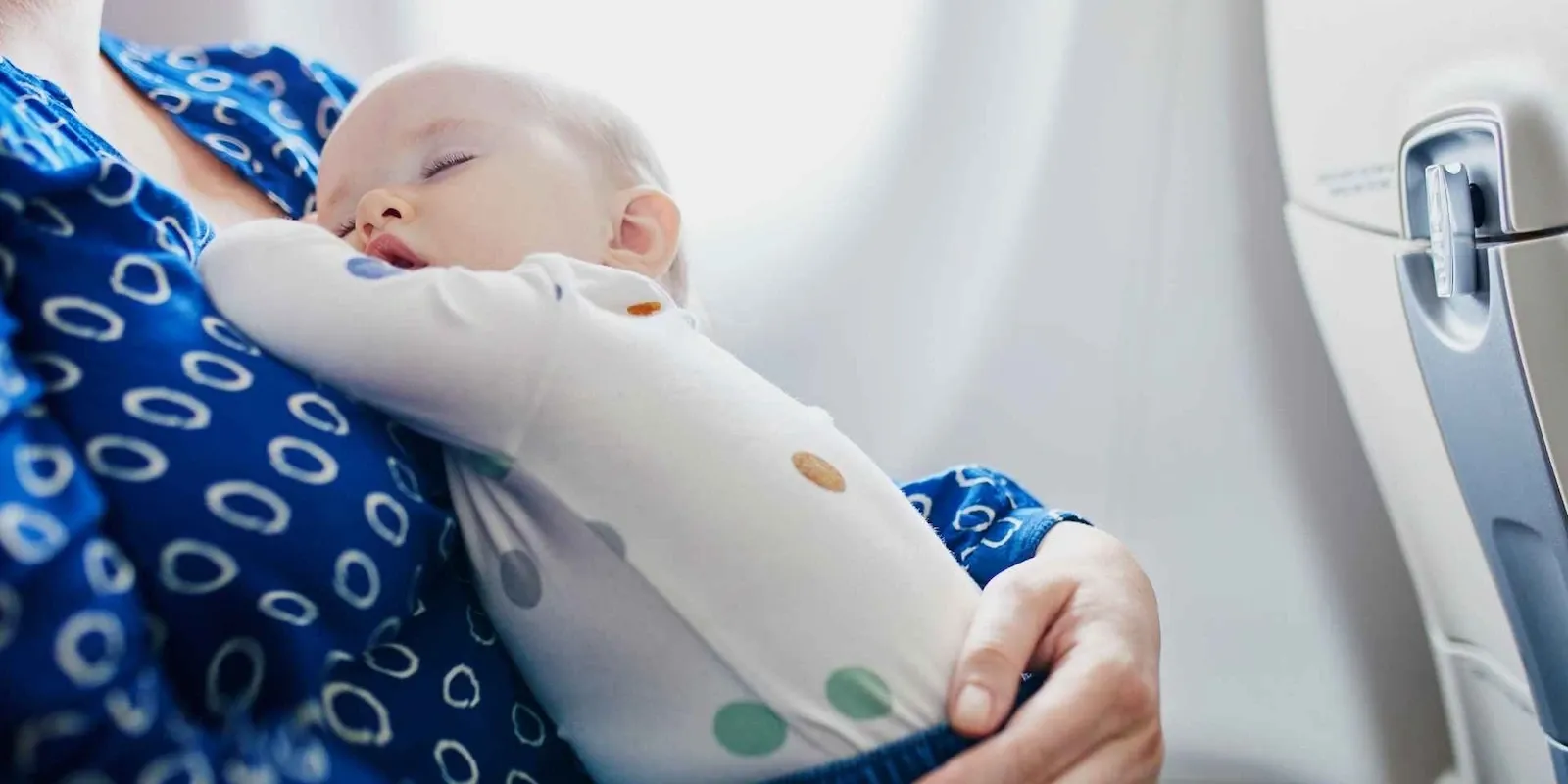
Traveling with a newborn: what happens to their body in flight
Airlines do not all have the same minimum age for flying a newborn: it ranges from 8 days for Ryanair to 14 for easyJet and Wizz Air, while KLM does not impose any. Knowing these thresholds, along with what happens to the baby's body in flight, helps to plan departure without surprises.
When you can fly: the rules change from airline to airline
There is no minimum age that's the same for everyone: Ryanair, Wizz Air and easyJet, KLM, ITA Airways; takeoff and landing; dry air in the cabin; background noise; rapid change in altitude accepts newborns from 8 days old, Wizz Air and easyJet set the limit at 14 days, while KLM applies no minimum. ITA Airways advises against flying in the first 7 days and requires a medical certificate (MEDIF) for those departing before that. Pediatricians, regardless of the airline's policy, generally recommend waiting 2-3 months, especially to allow the immune system to mature.
What happens to ears and skin in the cabin
During takeoff and landing, the change in pressure can cause ear discomfort for the newborn: feeding or offering a pacifier during these moments stimulates swallowing, which helps equalize pressure. The dry air in the cabin, with often very low relative humidity, dries the baby's airways and skin faster: offering fluids more frequently than usual helps keep the baby hydrated throughout the flight.
Sleep, noise and final descent
The background noise of the engine and constant vibrations induce sleep in many newborns, an effect worth exploiting by scheduling the flight to coincide with the usual sleep time. The rapid change in altitude during descent also deserves attention: resuming feeding or pacifier use during this phase helps prevent the most intense ear discomfort. For the practical organization of baggage and check-in with a newborn, this dedicated guide goes into the logistics. For newborns with pre-existing health conditions, a consultation with the pediatrician before departure remains the most prudent choice, even when the airline does not require it.
If your baby is less than two weeks old, first check the the exact age limit of your airline: it changes from 8 to 14 days and also determines whether a medical certificate is needed before even choosing the flight.
You might also like...
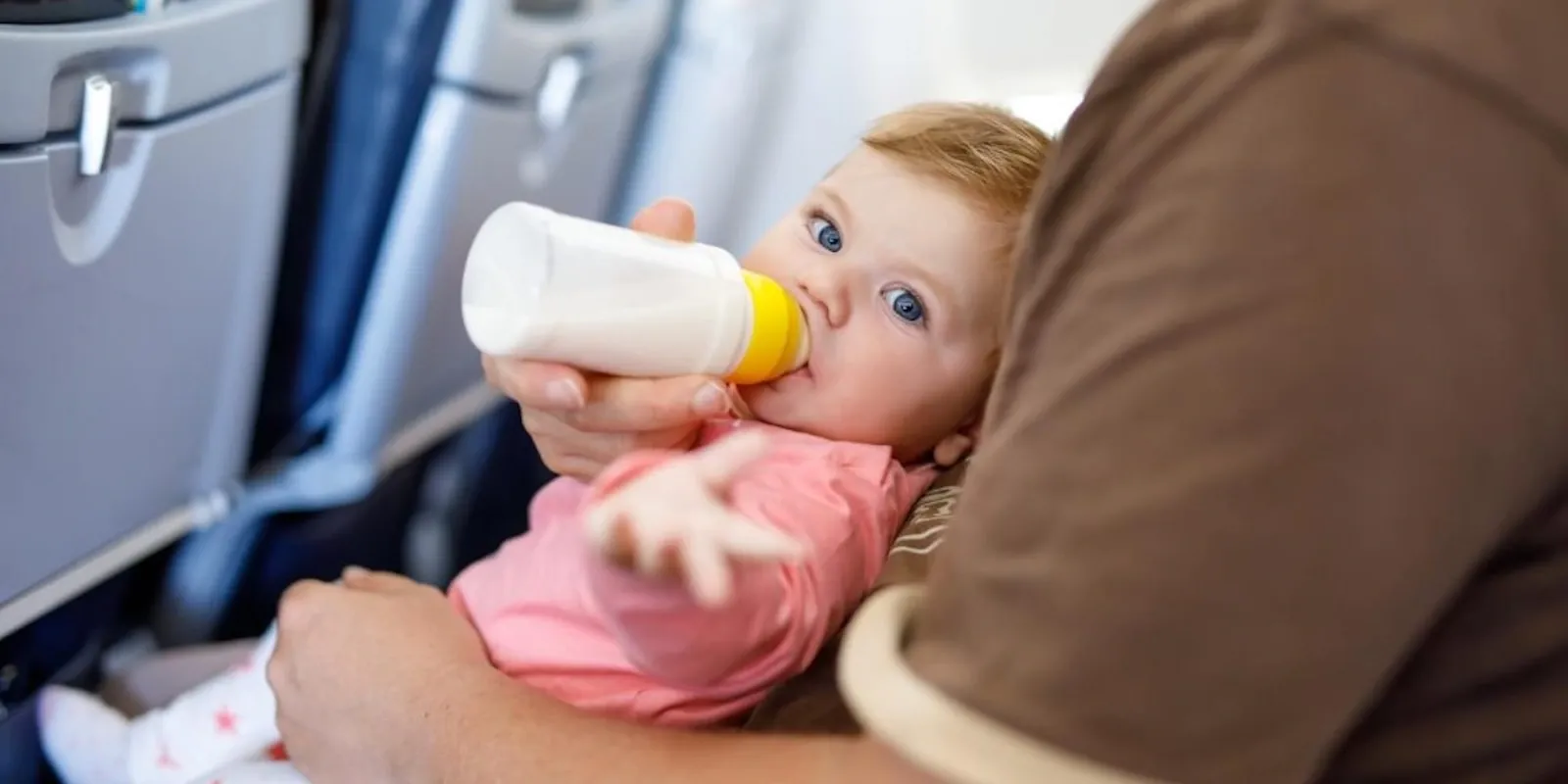
Traveling with newborns: the guide for new parents

Liverpool John Lennon Airport: where to stay, areas and recommended hotels
Trabzon International Airport: where to stay, areas and recommended hotels

PAL Express: Philippine Airlines' Regional Network Across ATRs, Airbus and the Smaller Islands

Which lounge to choose at Heathrow, terminal by terminal