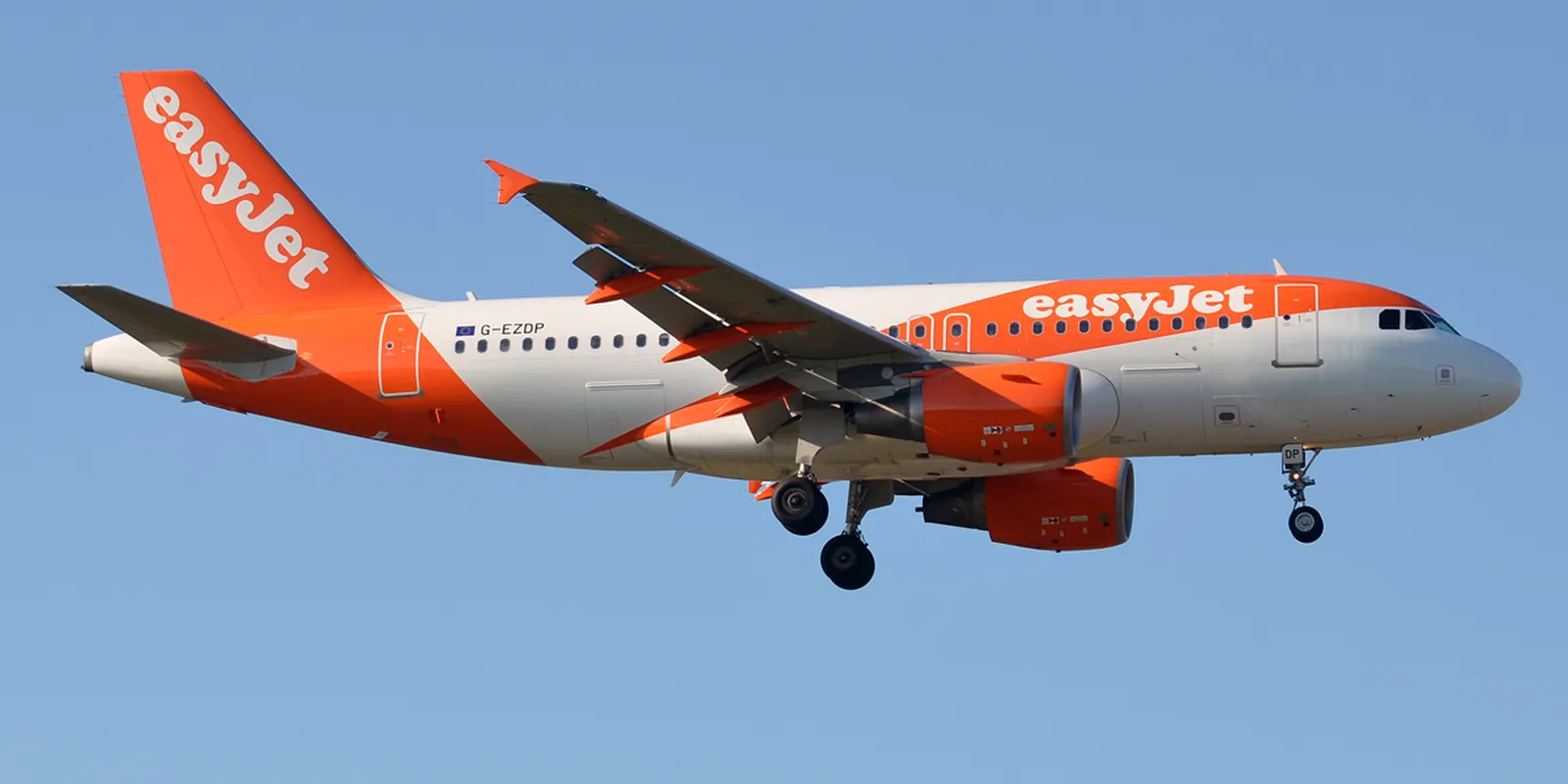
easyJet: How Good Value It Really Is, the Growing A320neo Fleet and What Passengers Say
easyJet was founded in 1995 by Stelios Haji-Ioannou and began operations the following year from Luton, becoming in less than a decade one of Europe's two largest low-cost carriers alongside Ryanair. Its headquarters remains in Luton, but the network relies on over a dozen bases in the United Kingdom and as many on the continent, from Milan Malpensa to Berlin to Geneva. Its positioning is that of a "network" low-cost carrier: low base fares but a model more oriented toward point-to-point travel between European cities than toward pure leisure seasonality.
The fleet
The fleet is entirely Airbus and counts about 360 aircraft of the A320 family, with a renewal program that has already passed one hundred A320neos and provides for further orders in the coming years. From 2026 easyJet is also introducing the 235-seat A321neo at bases such as London Luton, Berlin and Milan Malpensa, a capacity increase that aims to spread fixed costs across more passengers per flight while keeping the same airport slots.
Routes and network
The model remains point-to-point on a European scale, with over 30 operating bases and a particularly strong presence in Italy, Spain, France, Germany and the United Kingdom. 2026 brings two notable developments: the expansion of the Newcastle base, the eleventh in the United Kingdom, and the opening of the first African base at Marrakech, a sign of a strategy that keeps seeking new markets rather than consolidating only the historic ones.
Fares and baggage
The fare structure is typically low-cost: the base fare includes only a small under-seat carry-on bag, while a larger cabin trolley or a checked bag must be purchased separately, at a rising cost if added after the initial booking rather than at the time of ticket purchase. Seat selection and priority boarding are paid extras, but they remain optional with respect to the flight itself, unlike other costs that are harder to avoid on some competitors.
What passengers say
The recurring verdict clearly distinguishes value for money on the route from the experience when something goes wrong.
- Frequent praise: a wide destination network even on secondary routes, punctuality perceived as average for the industry, a quick boarding and disembarking process thanks to the standardization of the Airbus fleet.
- Recurring criticism: slow refund handling in case of cancellation, a fare code that makes it easy to underestimate the final cost if you do not read the baggage options carefully, customer service that is hard to reach in peak periods.
easyJet is a good fit for those who travel light on direct European routes and already know in advance how much baggage they will need, planning to buy extras at the time of booking. It is a less suitable choice for those who need to bring more than one standard carry-on bag without first checking its exact dimensions: the rules on trolley size are strictly enforced at the gate, and an oversized bag incurs an additional fee paid directly at the airport, higher than the online one.
You might also like...
Aeroitalia: The ITA Airways Lawsuit, the Growing Fleet and What to Expect On Board
Prohibited items on planes: what to check before you leave

Raja Bhoj International Airport: where to stay, areas and recommended hotels
American Airlines: The World's Largest Fleet, the Four Main Hubs and What Passengers Really Say

Innsbruck Airport: where to stay, areas and recommended hotels