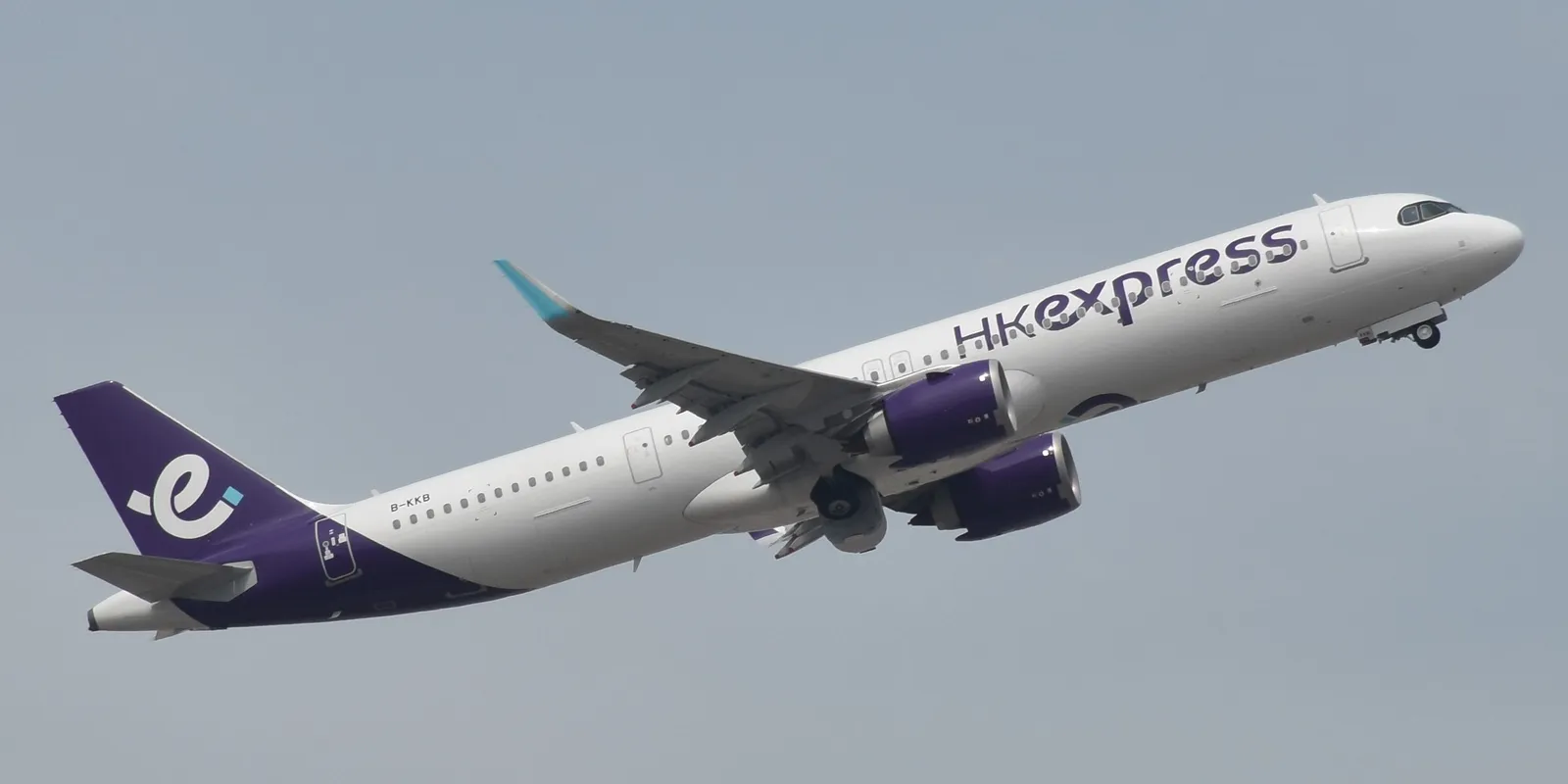
HK Express: What Flying Low-Cost From Hong Kong Really Costs
HK Express is Hong Kong's low-cost airline, now wholly owned by the Cathay Pacific group, of which it has become a full subsidiary. It operates a short- and medium-haul network within Asia, positioning itself as a budget alternative to scheduled carriers on the busiest regional routes to and from Hong Kong airport.
History and positioning
Born as the low-cost offshoot of a larger group, HK Express passed under the direct control of Cathay Pacific, completing its integration into the group structure alongside the scheduled carrier and the cargo division. This setup allows Cathay to cover both the premium long-haul segment and the low-cost regional one with two distinct but coordinated brands.
The fleet
The fleet is made up of Airbus A320 and A321neo aircraft, with the number of aircraft rising to about 44 at the end of 2025, growing steadily thanks to orders allocated by the Cathay group. The introduction of the neo models has allowed range to be increased on some routes and fuel consumption per seat to be reduced compared with the previous generation of A320.
Routes and network
The network mainly covers short- and medium-haul destinations in East and Southeast Asia — Japan, South Korea, Taiwan, Thailand, Vietnam and the Philippines among the most served areas — with frequencies designed for the short-stay tourism typical of Asian long weekends.
Fares and baggage
The fare model is the classic low-cost one: a base fare without checked baggage, with extra charges for a suitcase, seat selection and onboard meals. Like other carriers in the region with new-generation fleets powered by Pratt & Whitney engines, HK Express has had to manage temporary capacity reductions linked to engine inspections required by the manufacturer, a factor that has weighed on the availability of some flights in recent years.
What passengers say
- Competitive prices on short routes to Japan and South Korea compared with scheduled carriers.
- Boarding generally quick on the busiest routes.
- Extra costs that add up quickly if you add baggage and an assigned seat.
- More frequent cancellations or reschedulings during periods of extraordinary engine maintenance.
HK Express makes sense for anyone flying light on a short route within Asia who wants the lowest possible price, accepting to pay separately for everything that is not just transport. It is less suitable for those traveling with heavy luggage or looking for the flexibility of changing flights at no cost, where the base fares remain rigid. A practical tip: always calculate the final price with baggage and seat included before comparing it with a scheduled carrier, because on short routes the price advantage of the bare base fare often shrinks once you add the surcharges needed for a real trip.
You might also like...

Sainte Marie Airport: where to stay, areas and recommended hotels
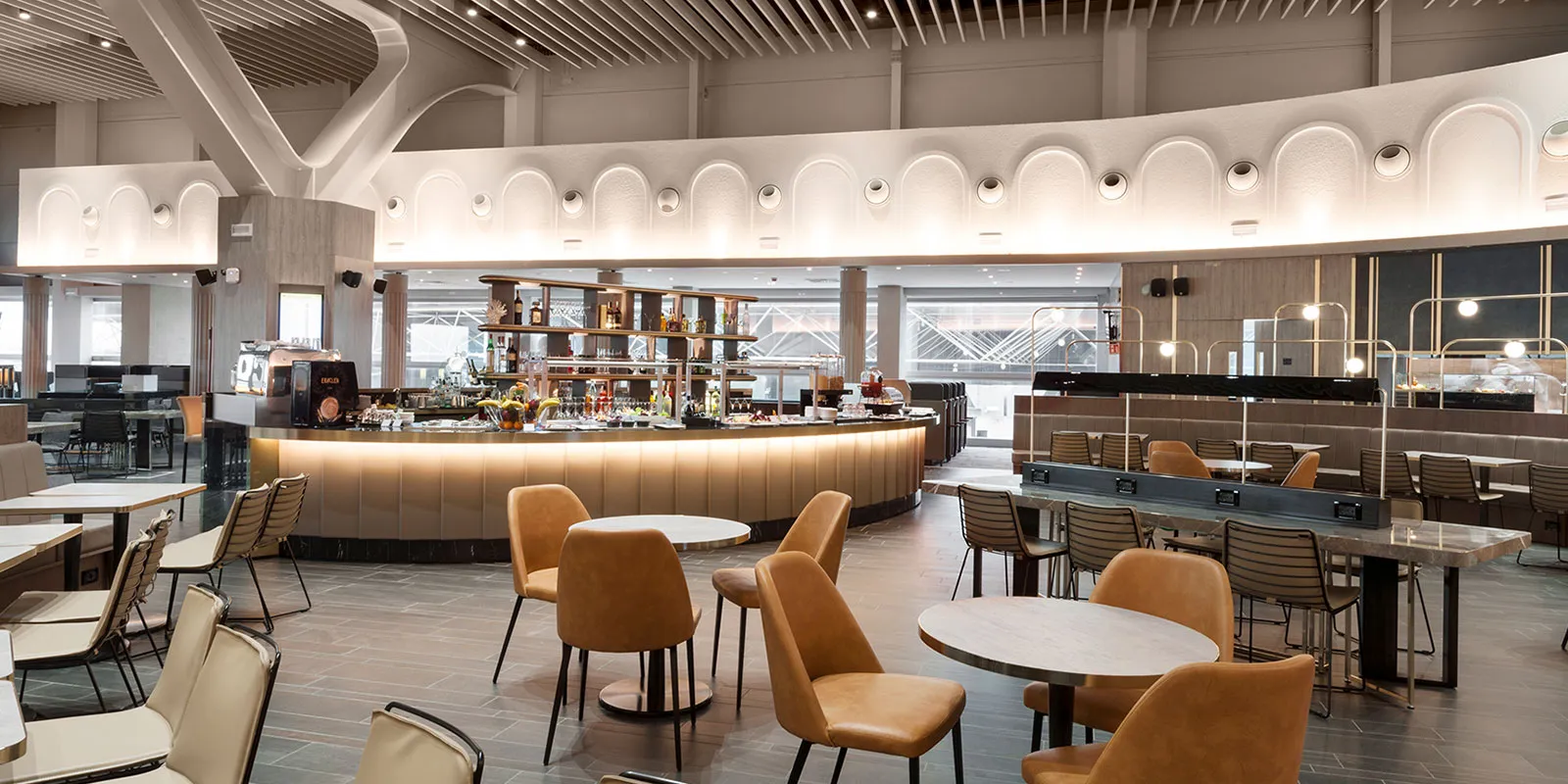
Fiumicino lounges: which to choose before departing
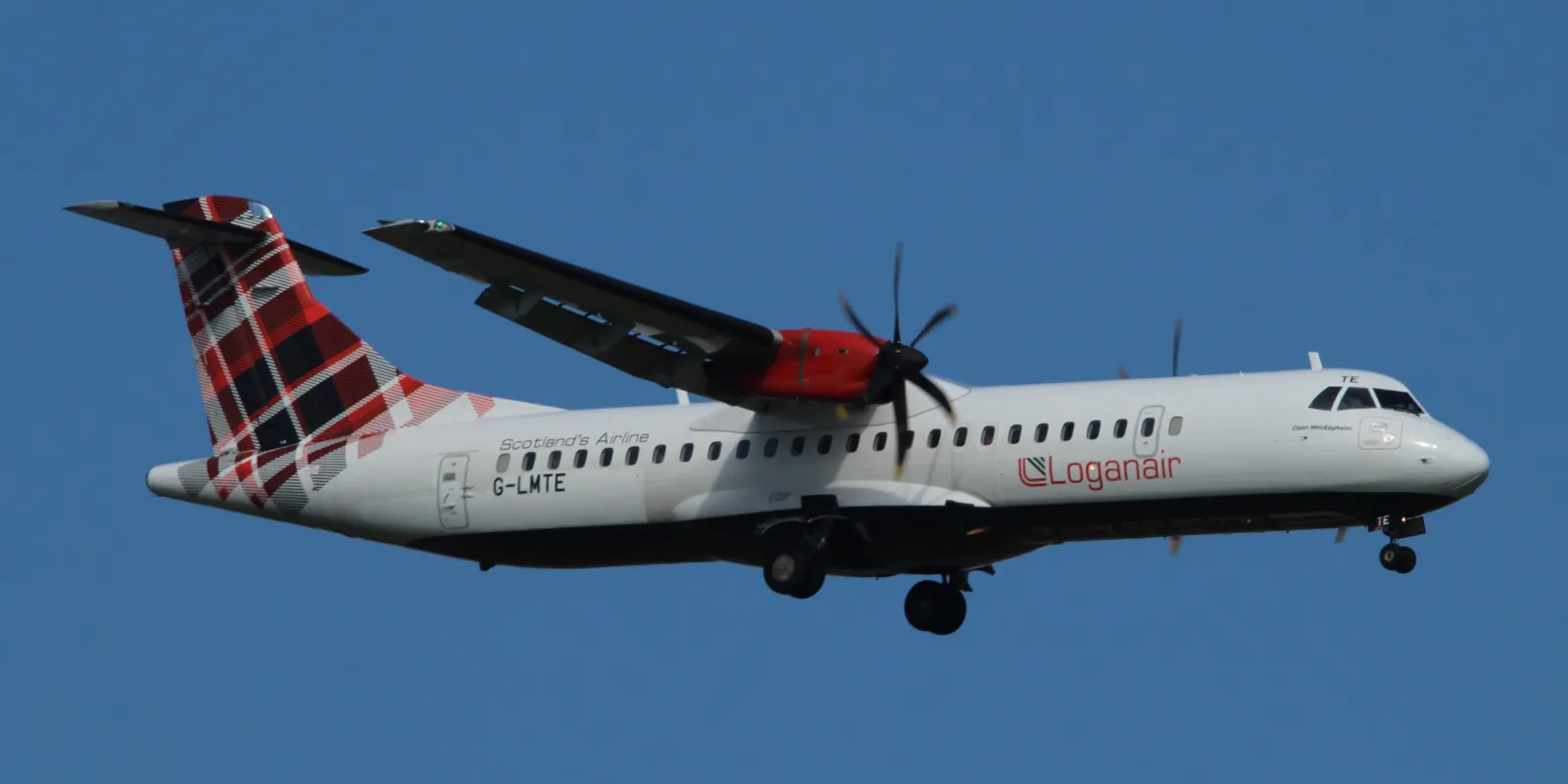
Loganair, the Airline Connecting the Scottish Islands: Fleet, Essential Routes and What to Expect On Board
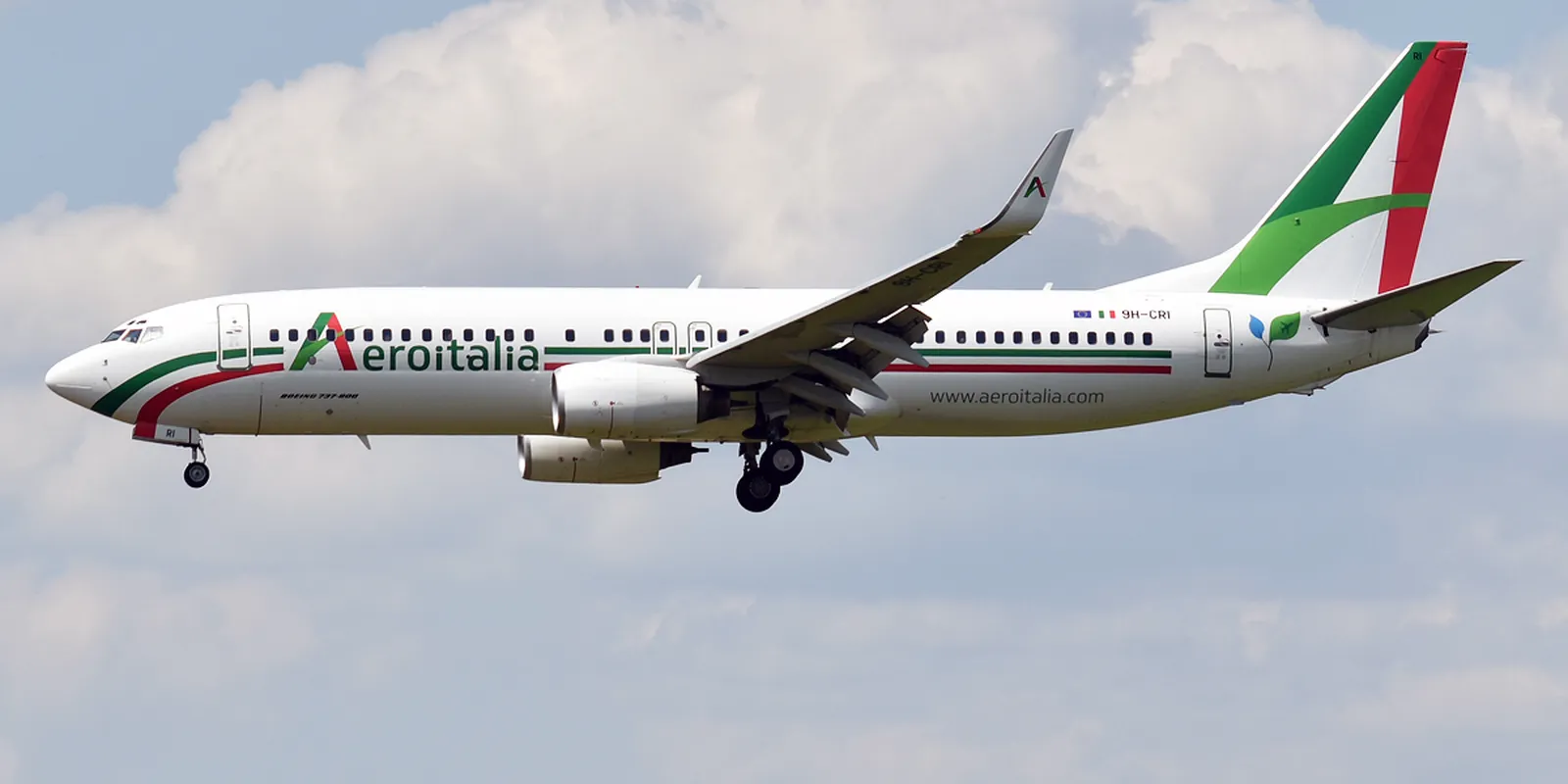
Aeroitalia: The ITA Airways Lawsuit, the Growing Fleet and What to Expect On Board
Name error on your ticket: how to fix it right away
