
Philippines: main airports
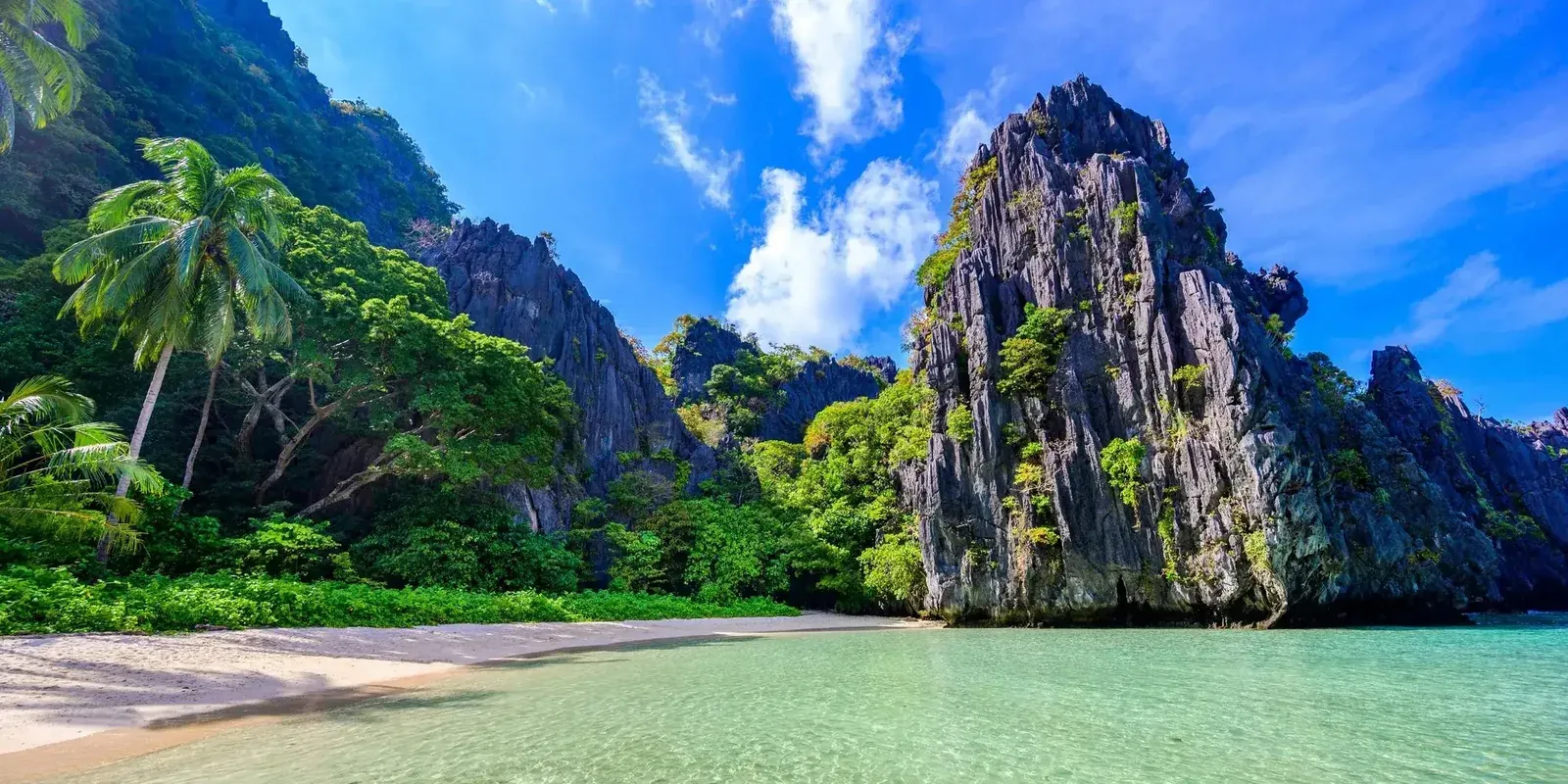
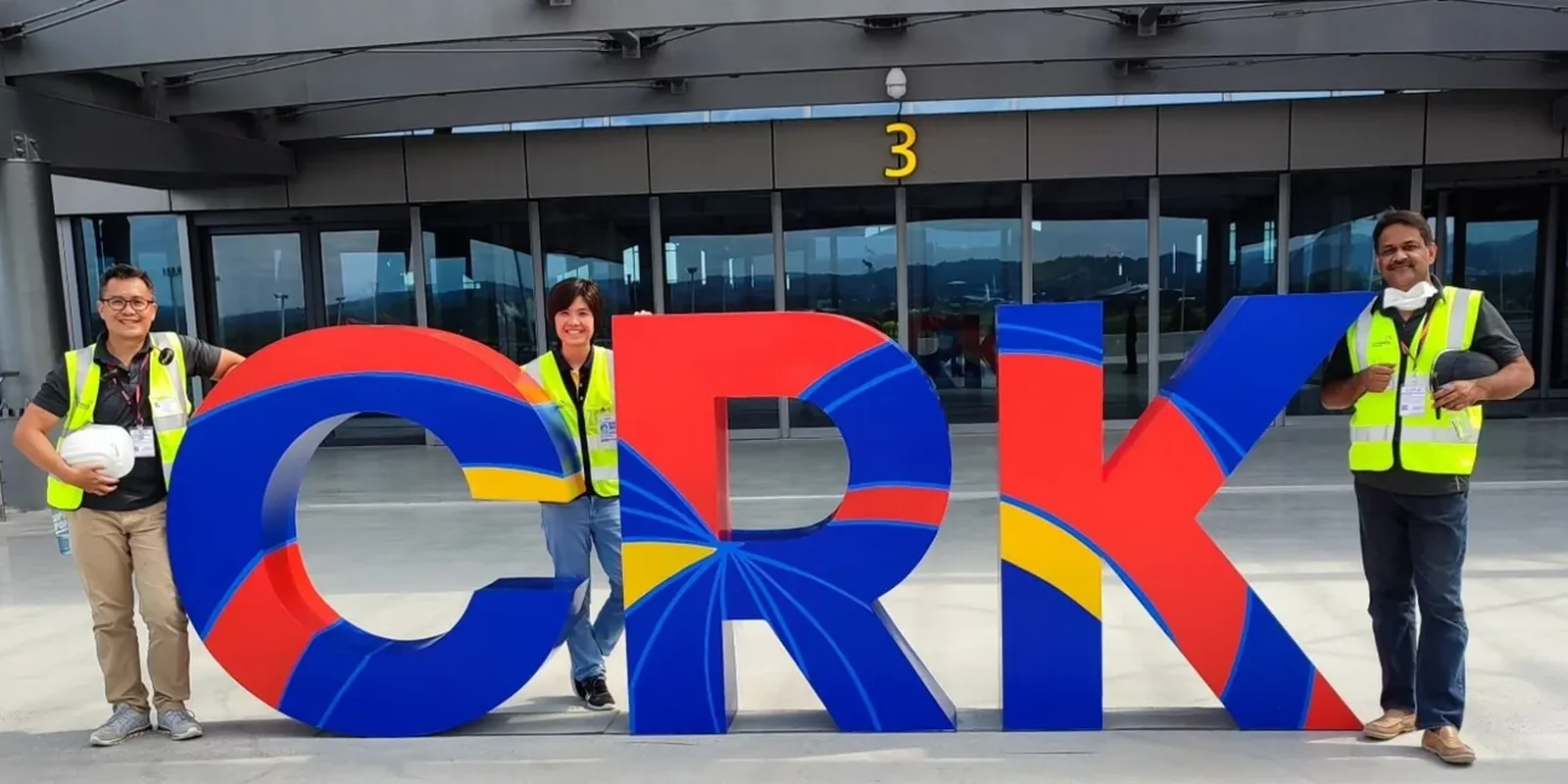
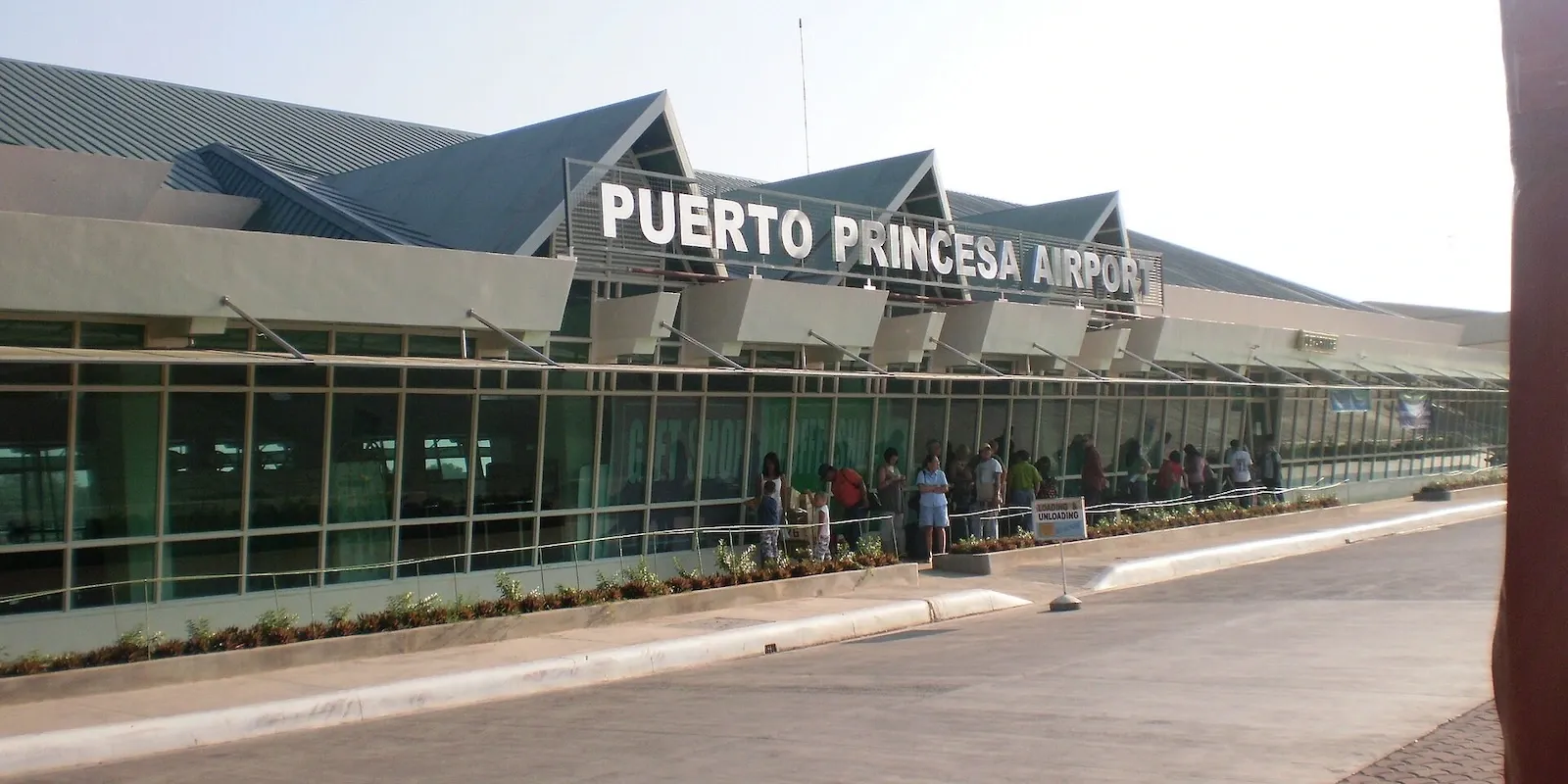
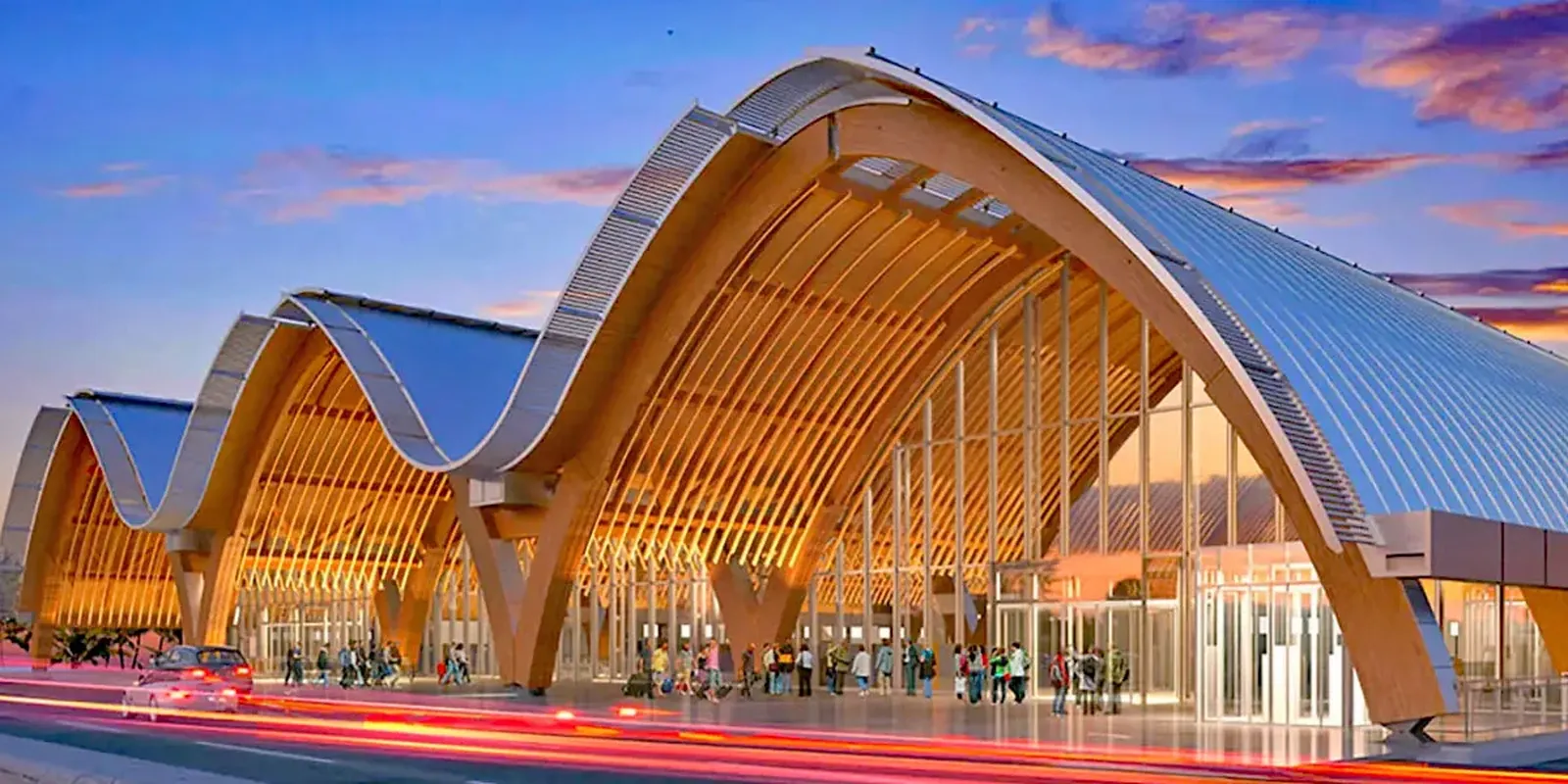
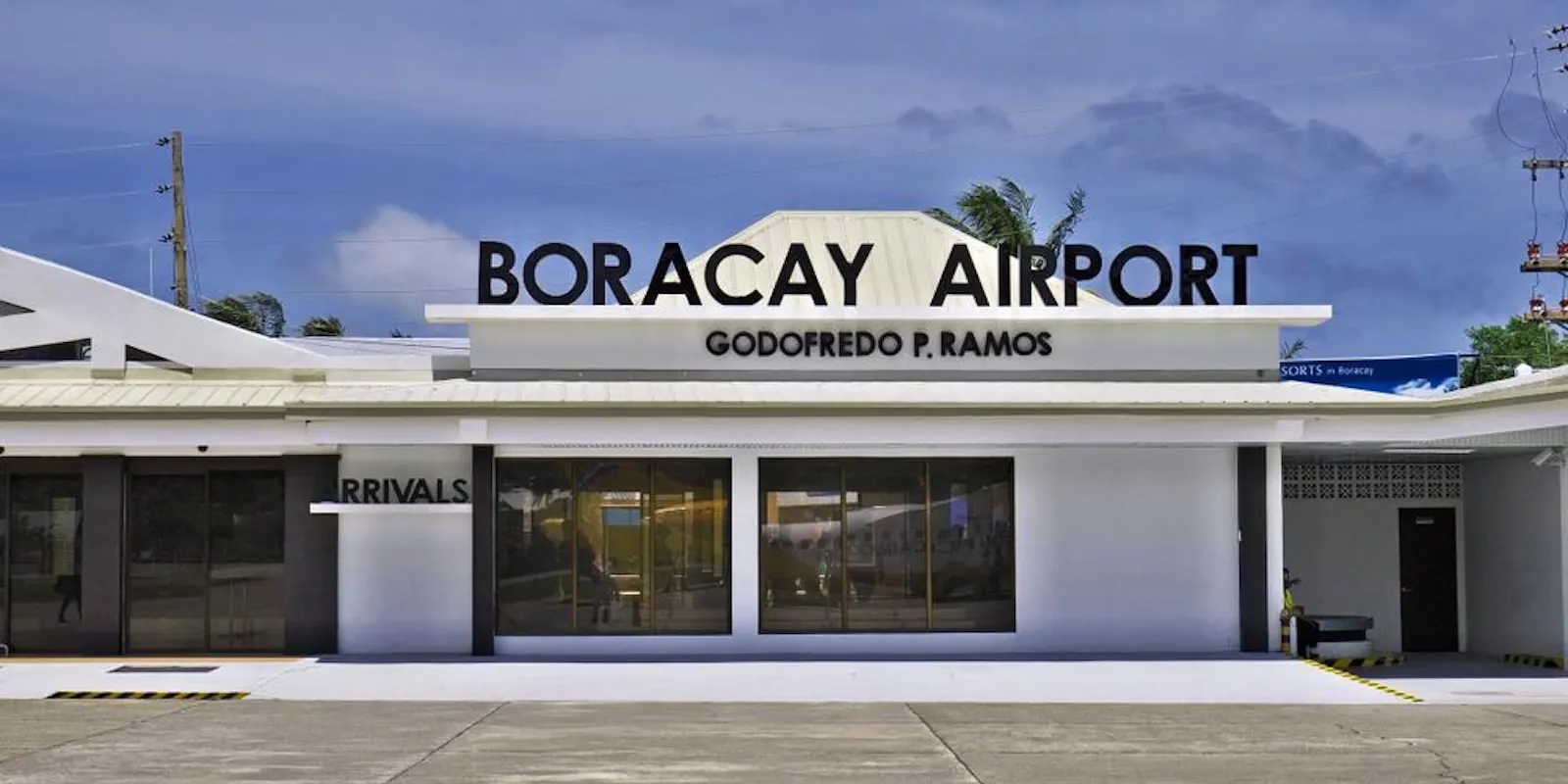
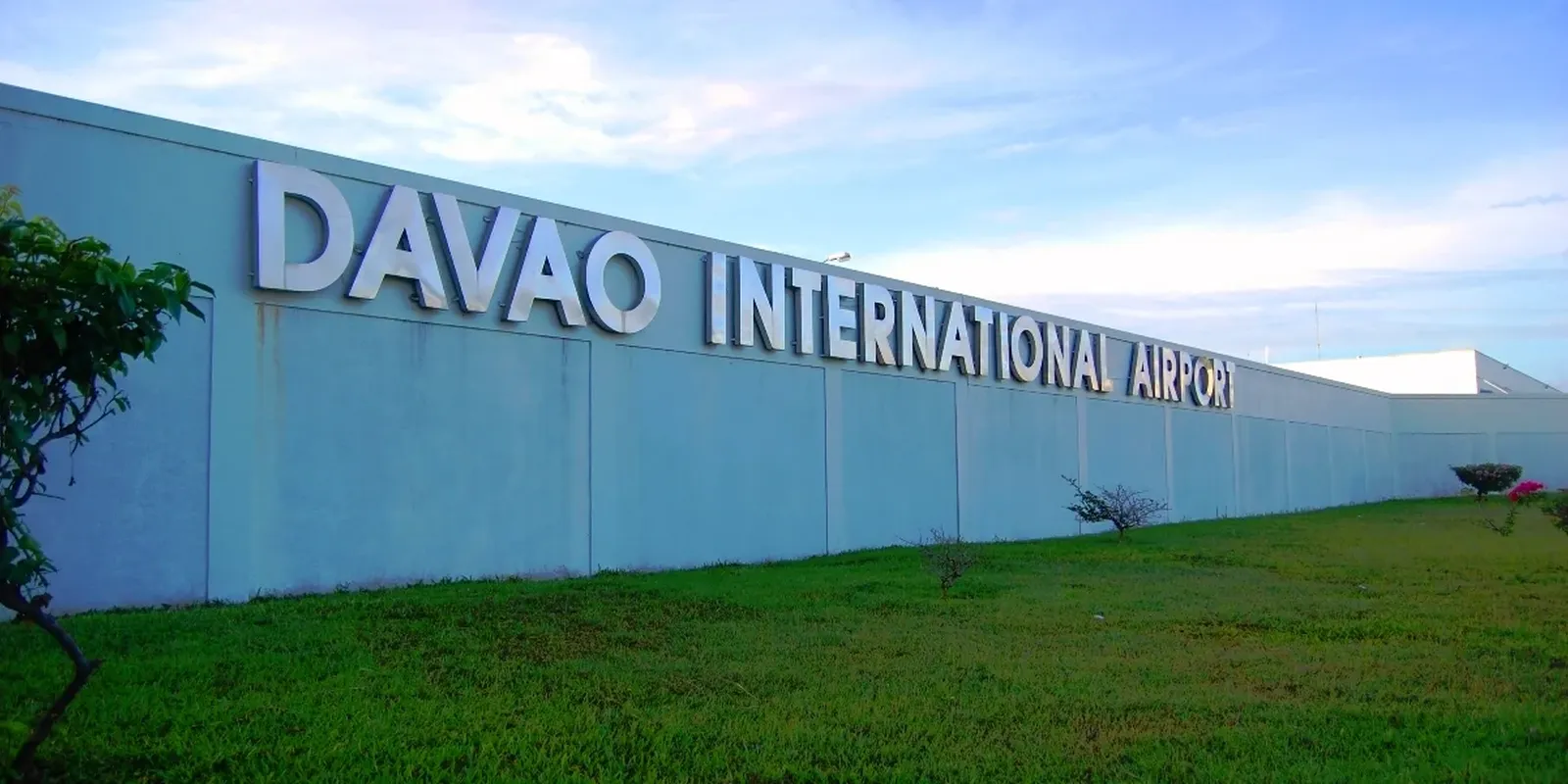
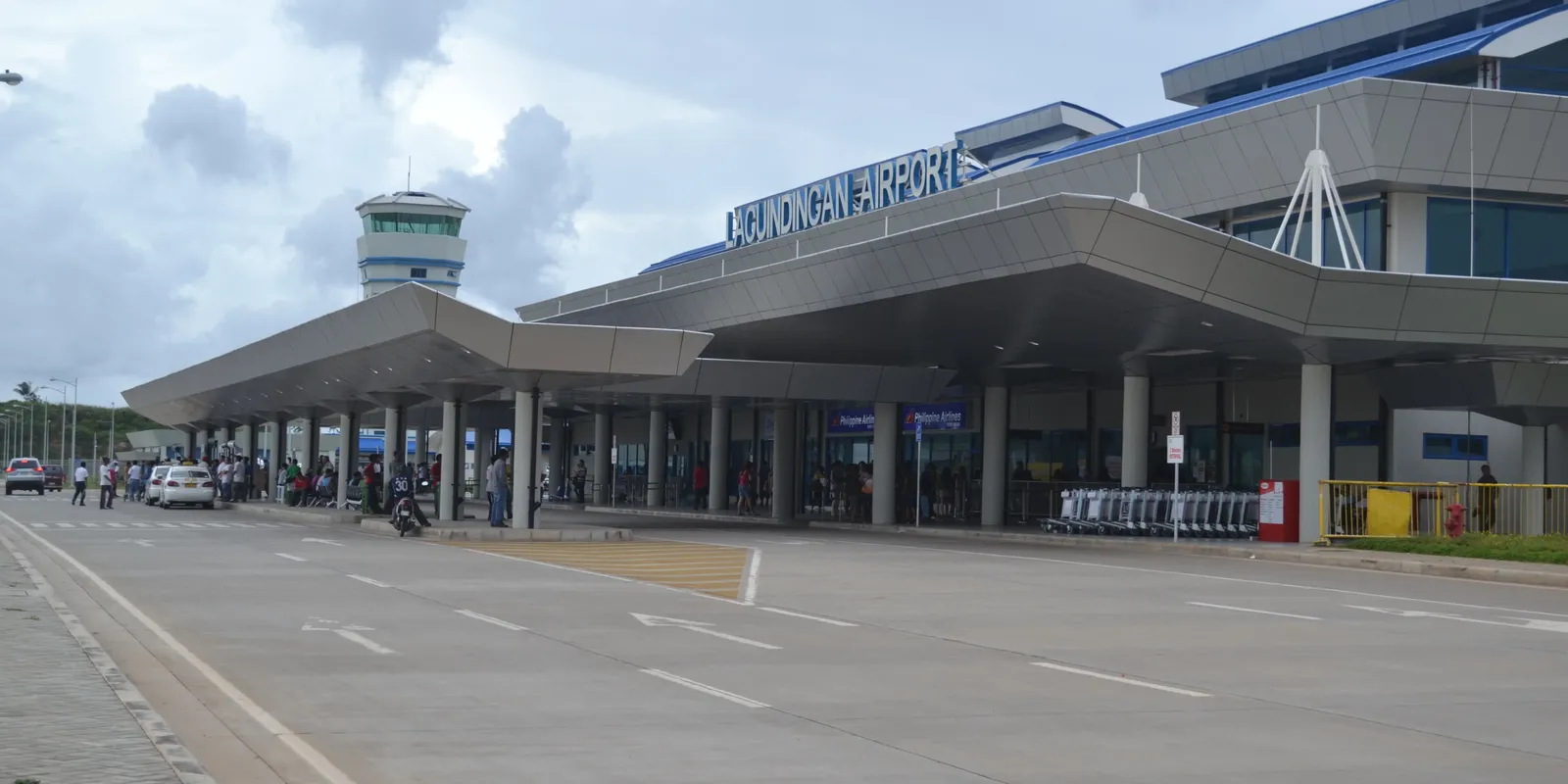
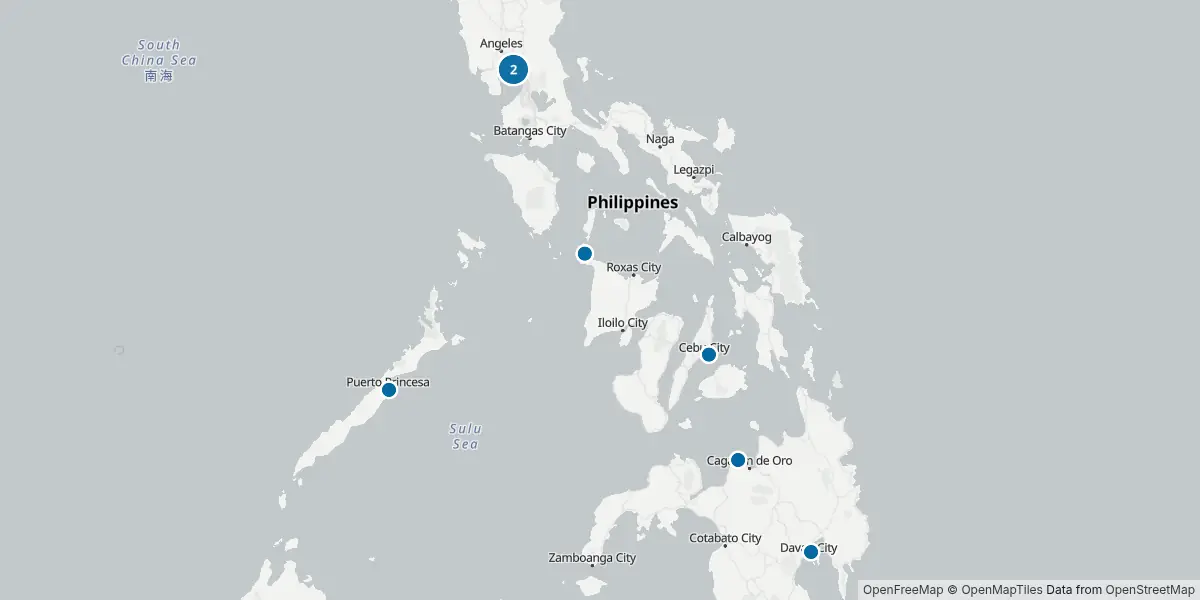
The Philippines, an archipelago of over 7,000 islands in Southeast Asia, is served mainly by Ninoy Aquino Airport in Manila, the capital, and by Clark, an alternative low-cost hub north of the capital, as well as Cebu, Davao, Cagayan de Oro, Boracay and Puerto Princesa (Palawan).
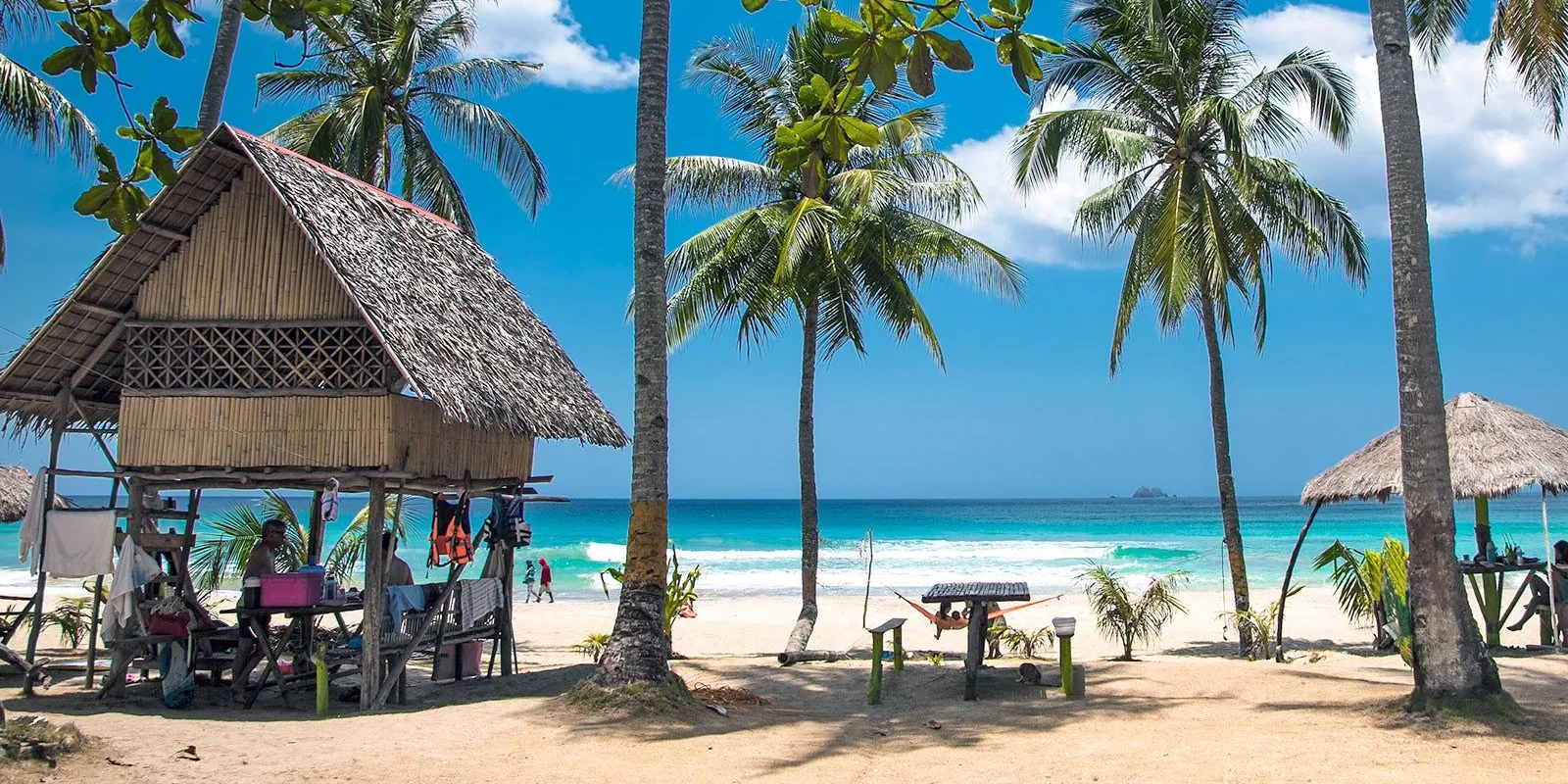
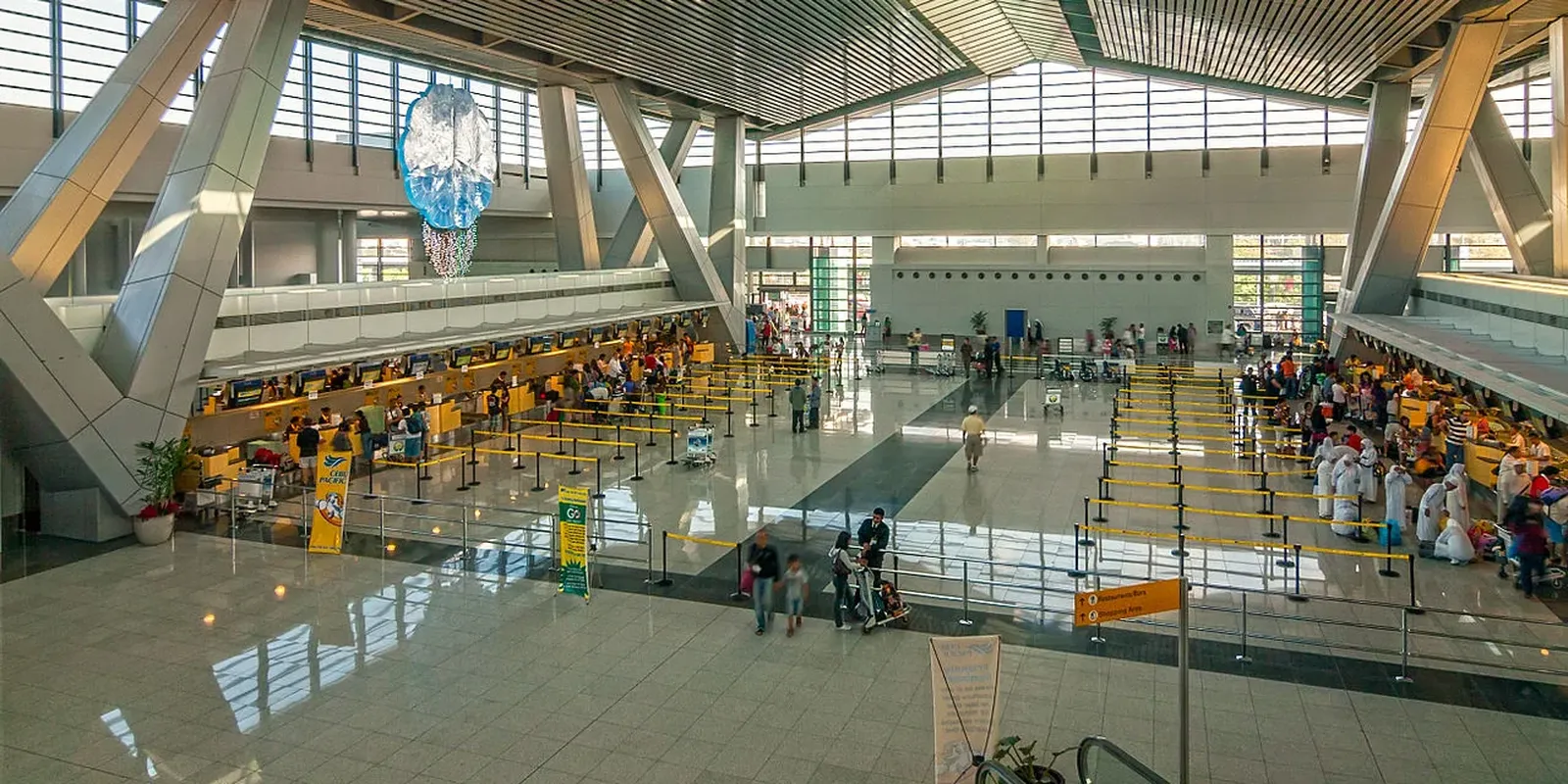
The country offers tropical beaches, some of the world's most renowned dive sites and a culture blending Malay, Spanish and American influences.
Philippines: recommended activities
Philippines: visa and entry requirements
Citizens of around 160 nationalities, including the EU, UK, US, Canada and Australia, can enter without a visa for tourist stays of up to 30 days (59 days for US citizens).
Online eTravel registration is required within 72 hours before arrival, generating a QR code to present at immigration. The visa-free stay can be extended multiple times up to a maximum of 36 continuous months without ever leaving the country. Always check the updated requirements before departure.
Philippines: safety
The main tourist destinations (Manila, Cebu, Boracay, Palawan) are generally safe for visitors with normal precautions against theft and pickpocketing.
Some areas of southern Mindanao require greater caution due to specific security risks: always check your country's updated travel advisories. The country is prone to typhoons, especially between June and November, and to intense seismic and volcanic activity.
Philippines: health situation
Vaccinations against hepatitis A and typhoid are recommended; antimalarial prophylaxis is advised only for certain specific rural areas. Yellow fever vaccination is required only for those arriving from at-risk countries.
Avoid tap water, always preferring sealed bottled water, especially outside major cities.
Philippines: currency, payments and connectivity
The currency is the Philippine peso (PHP). Credit cards are widely accepted in cities and resorts, less so in rural areas, where it's advisable to carry cash.
The official languages are Filipino and English, the latter spoken fluently by most of the population. A tip (10%) is appreciated in restaurants, often already included in the bill as a 'service charge'.
Philippines: travel guides
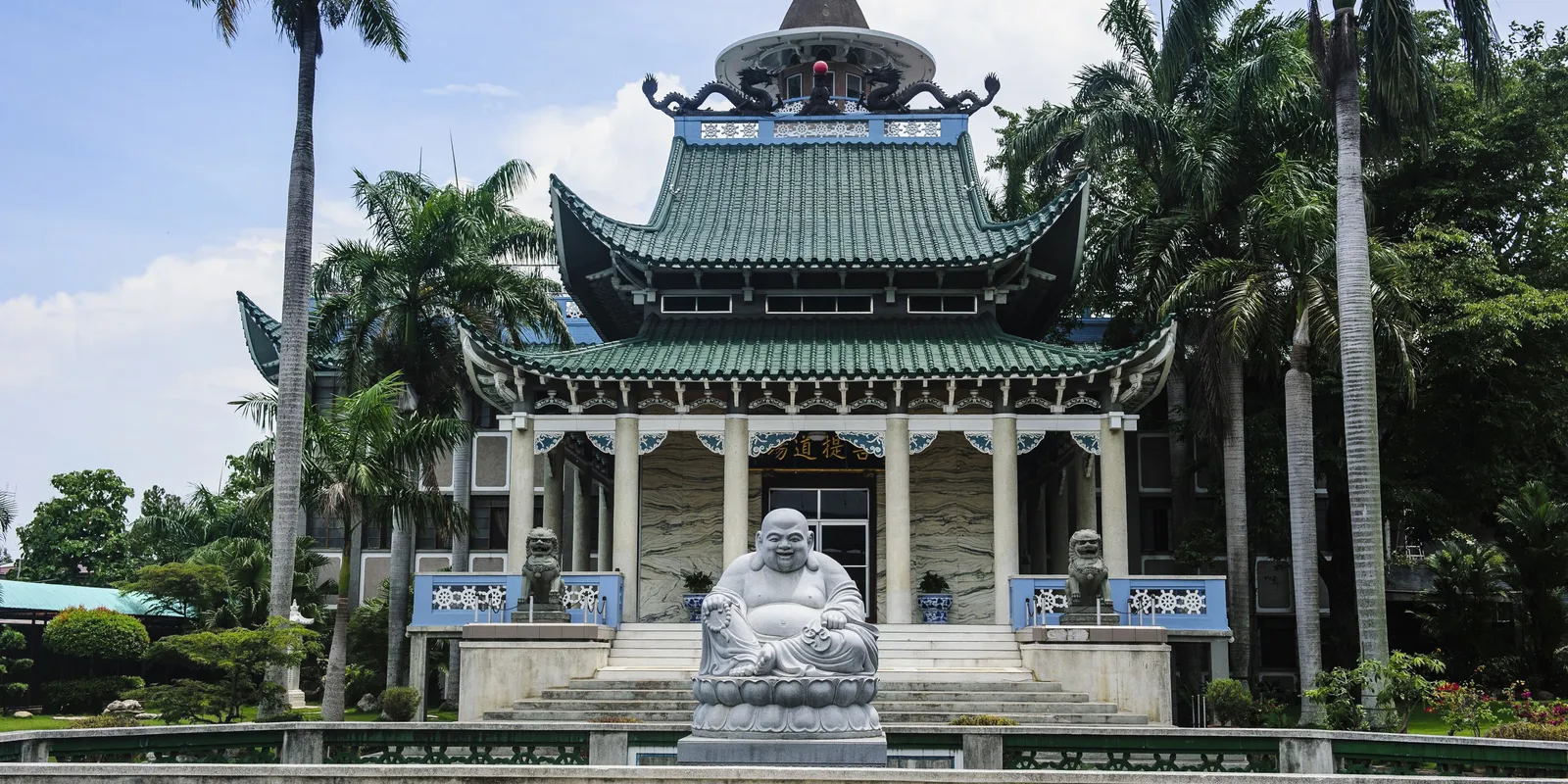
Davao: at the foot of the Philippines' highest peak
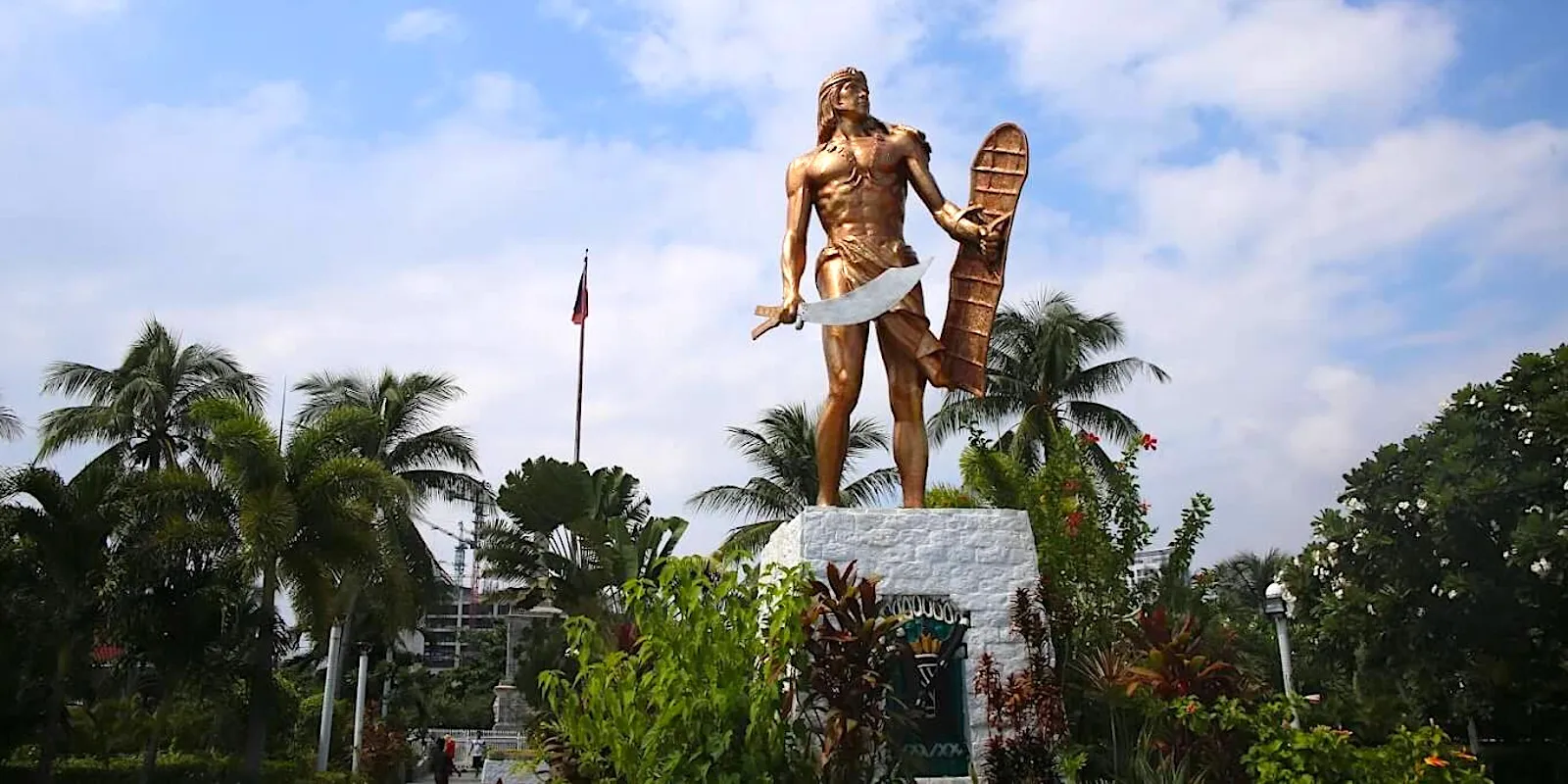
Lapu-Lapu: where Magellan died
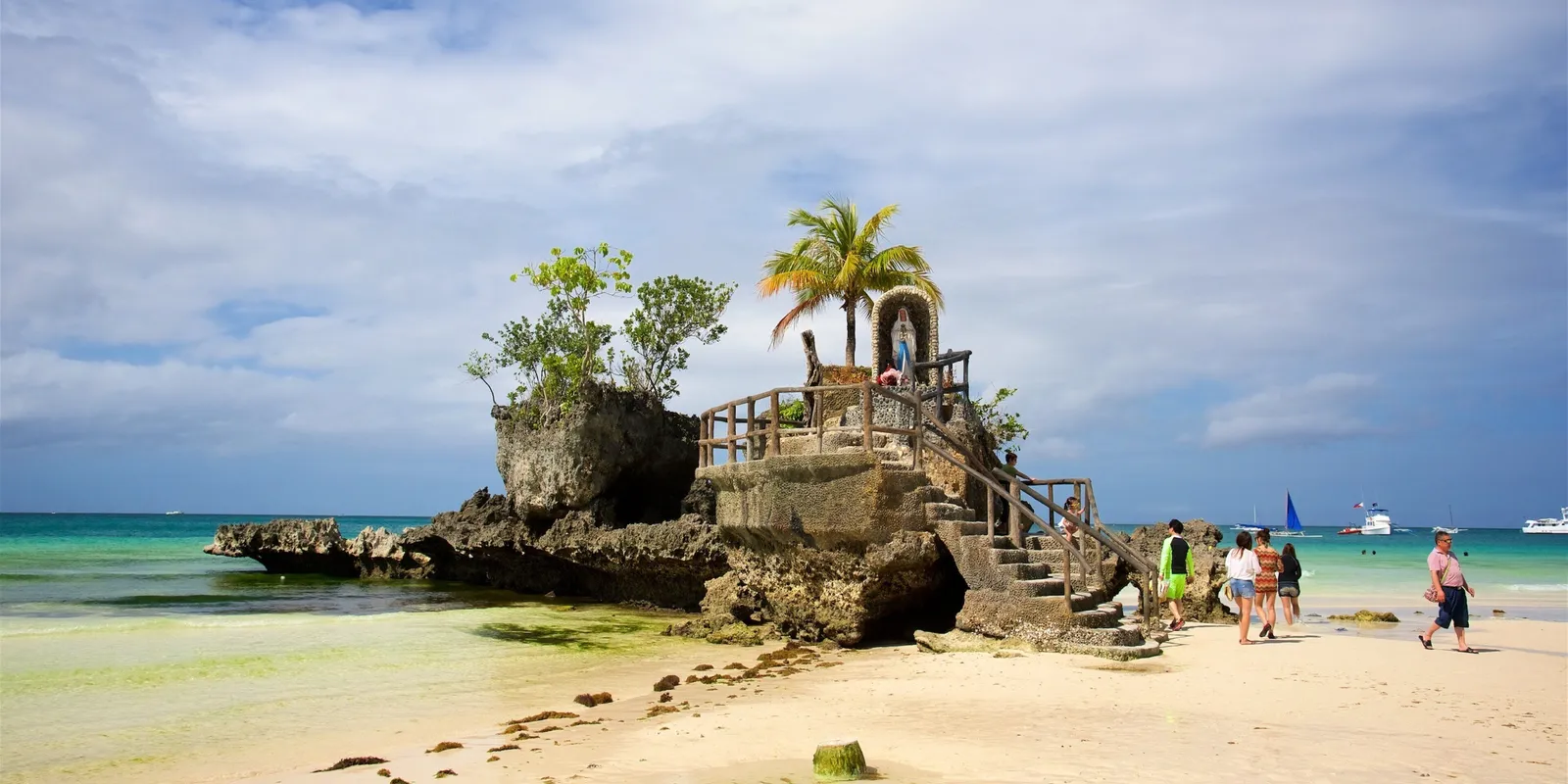
Caticlan: the gateway to Boracay beach
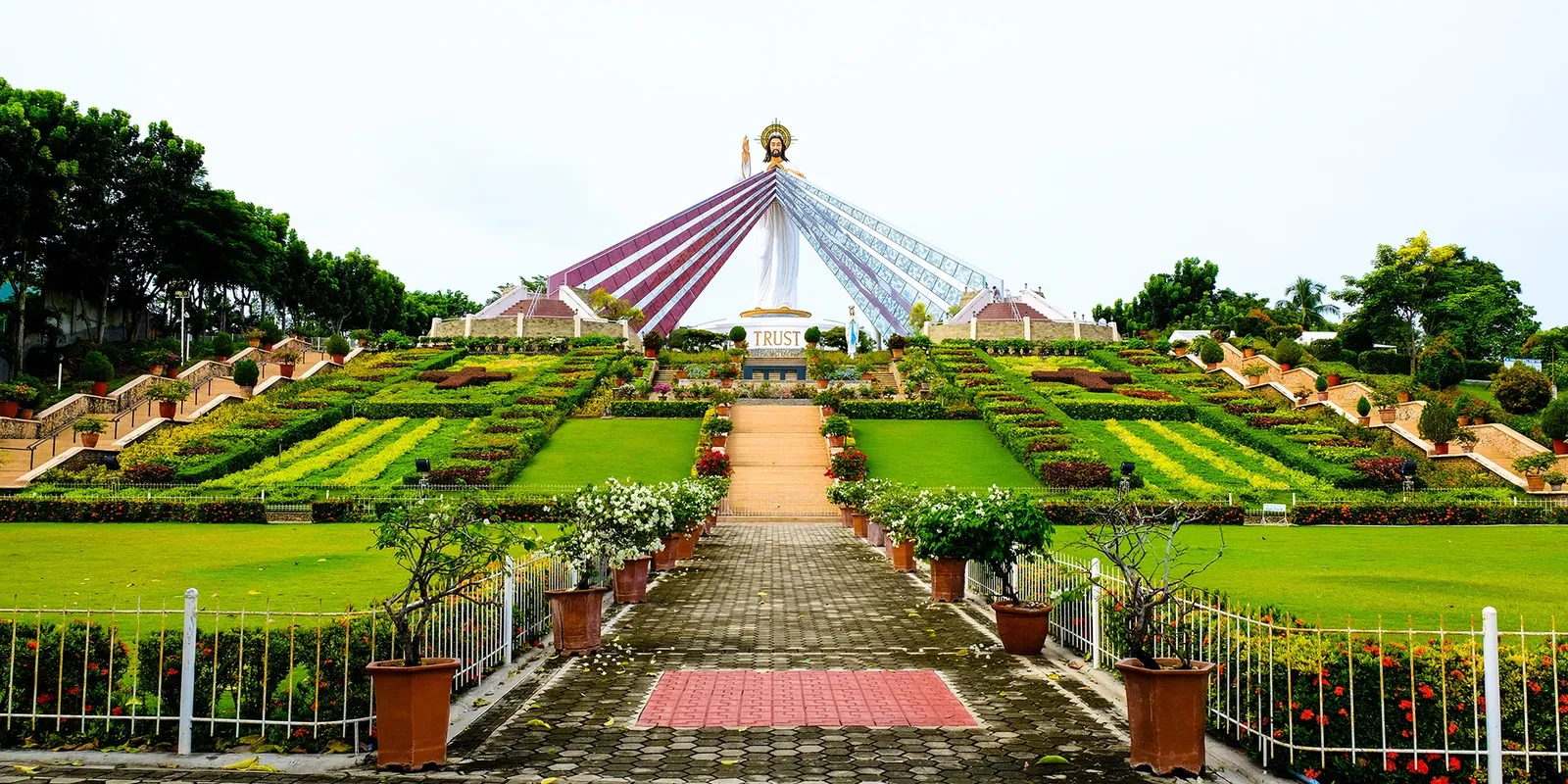
Cagayan de Oro: rafting on the Philippine river of gold
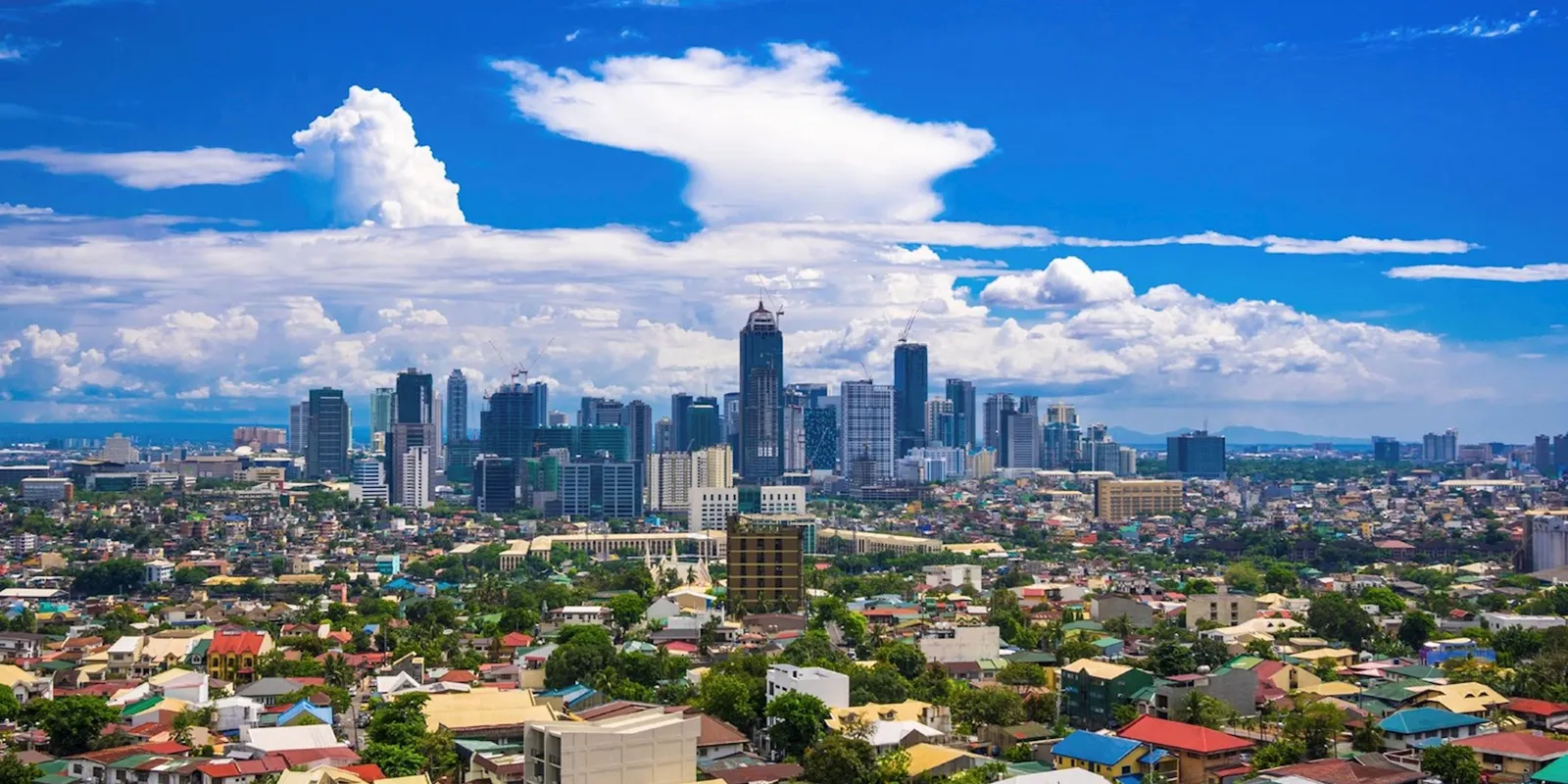
One day in Manila: itinerary and highlights