Pets in the cargo hold: how to ensure a safe trip
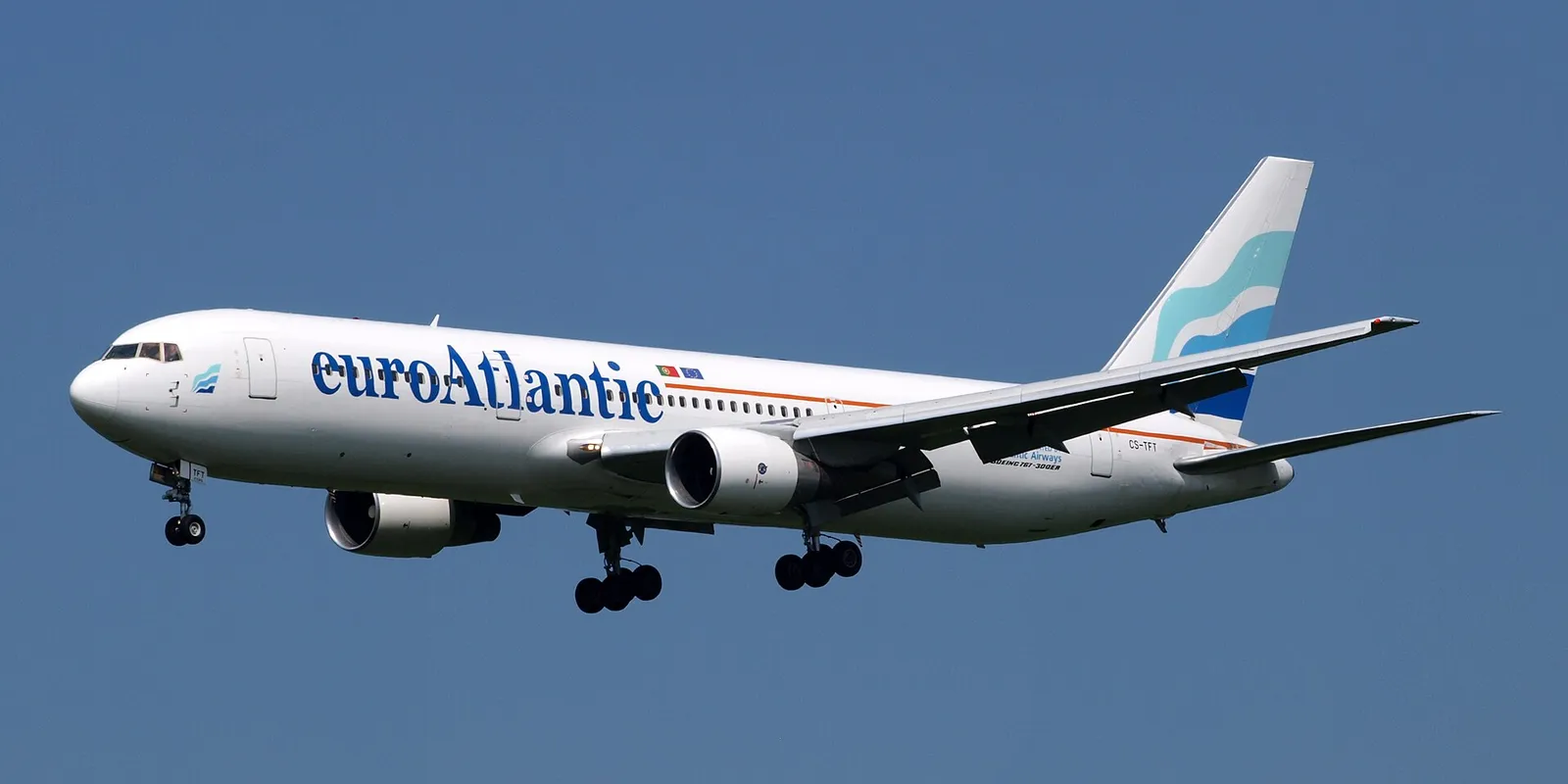
The cargo holds of modern aircraft are pressurized and climate-controlled like the cabin, but the journey remains safe only if the rigid carrier is truly certified and the airline correctly applies the procedures for live animals.
The carrier and check-in
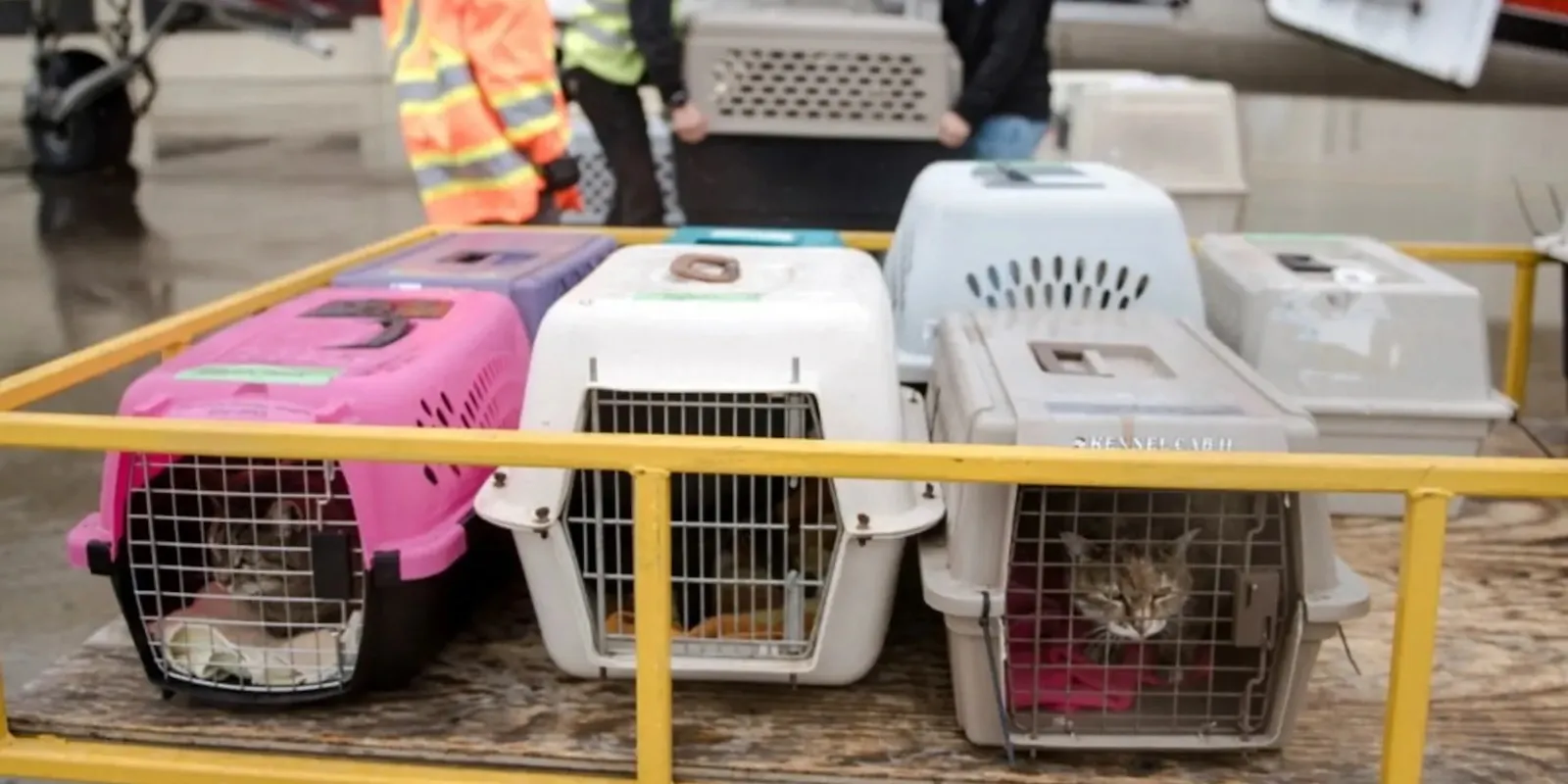
The carrier for the cargo hold must be must be rigid...; the "Live Animal" label, with safety closures that do not open accidentally, and water and food bowls attached to the door, in compliance with IATA Live Animals Regulations standards. At check-in it is worthwhile to verify in person that the staff applies the "Live Animal" label and to inform the ground crew, and if possible the pilot, of the animal's presence in the cargo hold, so that the temperature of the compartment is monitored with particular attention during the flight.
Avoid sedation, not contact with your scent
Veterinarians advise against heavy sedation because it can interfere with the animal's ability to regulate its temperature at altitude; a piece of clothing with the owner's scent left in the carrier is a safer way to reduce stress. A tracking device like an AirTag attached to the collar, where permitted by the airline, also allows you to verify that the carrier was actually loaded on board.
Choose the right time and connection
Flying with long layovers or during the warmest hours of the day increases the time the animal spends stationary on the tarmac before being loaded or unloaded: where possible, it is better to prefer direct flights or short connections, especially in summer. For those who still need to manage a connection, our guide to animals and short connections explains what to verify before booking.
Ask the airline, before booking, how it actually handles the loading and unloading of animals in the cargo hold: it is the question that reveals whether safety procedures are truly followed strictly.
You might also like...
Cats on flights: how to manage feline stress

Gibraltar Airport: where to stay, areas and recommended hotels

Soekarno-Hatta International Airport: where to stay, areas and recommended hotels

Pet health while traveling: vet's advice

Short layover: when it's really worth booking a tight connection