Cats on flights: how to manage feline stress
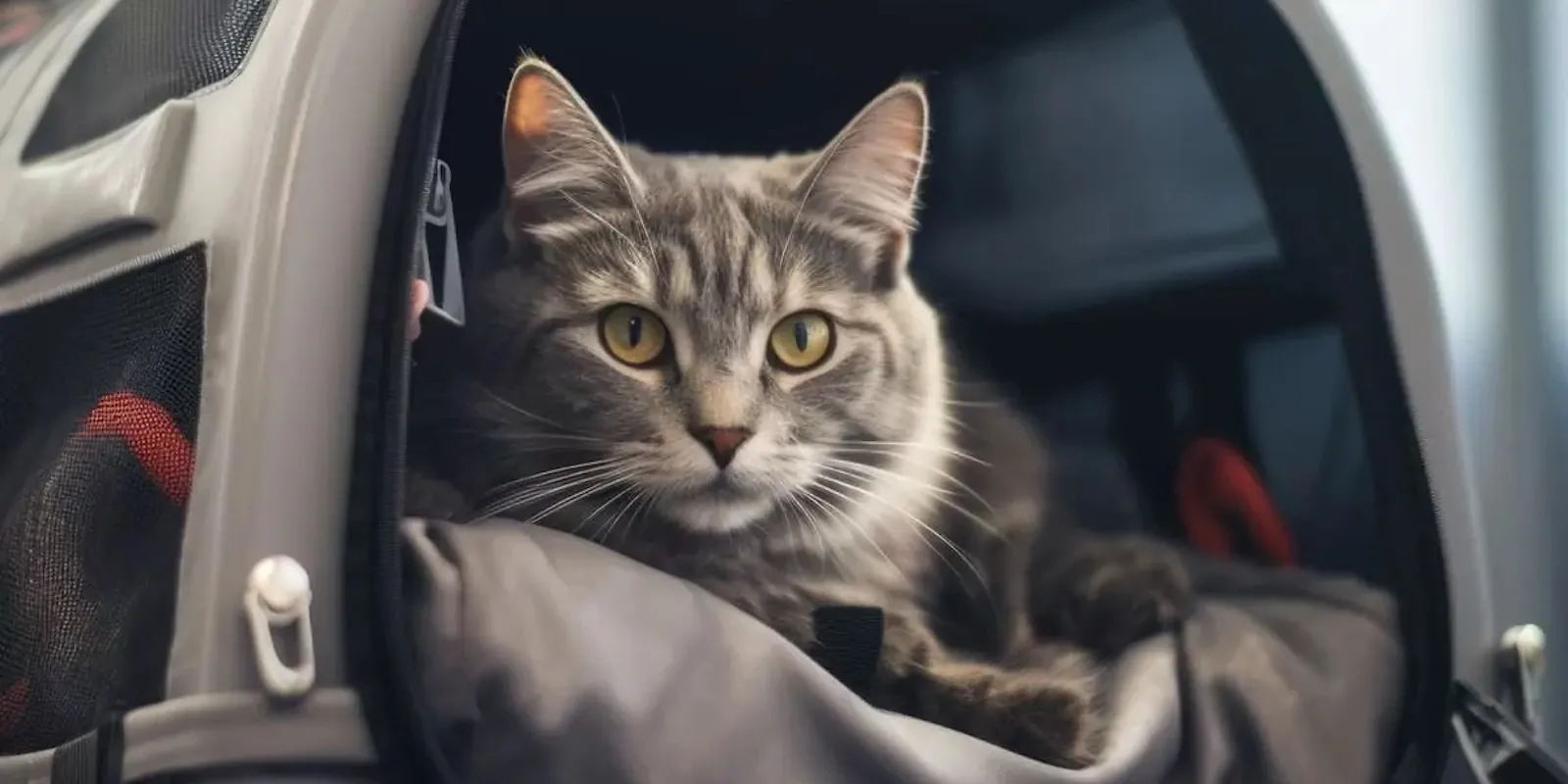
A cat will accept the carrier only if it recognizes it as a safe territory, and this requires weeks of gradual acclimatization, not two days before departure. A few practical measures—from choosing the right carrier to your behavior at security checks—make the difference between a manageable flight and a panic escape.
Getting your cat used to the carrier before the flight
The carrier should become a familiar space at least two or three weeks before takeoff, not an object that suddenly appears on departure day. Leaving it open at home with a blanket that already has your cat's scent, treats, and toys inside helps your animal associate it with something positive rather than a threat. Many owners also use sprays with synthetic pheromones (the most common active ingredient is F3, found in products like Feliway), which mimic cats' facial marking signals and can help reduce confinement anxiety, though the effect varies from animal to animal. For details on what to check in the carrier before the flight, see also our dedicated guide.
At security checkpoints: what to expect
At security checkpoints, your cat must be removed from the carrier, which passes separately through X-ray: this is a procedure common to most airports, so it's good to have a well-fitted harness with leash ready, because a frightened cat in an open and noisy environment can escape in seconds. However, check with your specific departure airport, as detailed procedures may vary slightly.
During flight: darkness, water, no forcing
A light cloth over the carrier reduces visual stimuli and helps your cat feel more protected, without blocking air circulation. It is not advisable to force your cat to eat: a feline stomach under stress tends to reject food, while small sips of water offered calmly, if the flight is long, are generally better tolerated. Your own behavior also matters: a low tone of voice and slow movements near the carrier communicate calm better than any words.
If your cat has never traveled, the most useful advice is to do one or two car simulations with the carrier in the two weeks before: getting it used to movement and noise in a controlled setting greatly reduces the actual stress on flight day.
You might also like...

Tunis Carthage International Airport: where to stay, areas and recommended hotels

Asmara International Airport: where to stay, areas and recommended hotels
Pets in the cargo hold: how to ensure a safe trip
Cebgo: Cebu Pacific's Regional Arm That Will Also Absorb AirSWIFT from July 2026

Bahamasair: The ATR and Boeing Fleet of the Bahamas' Flag Carrier