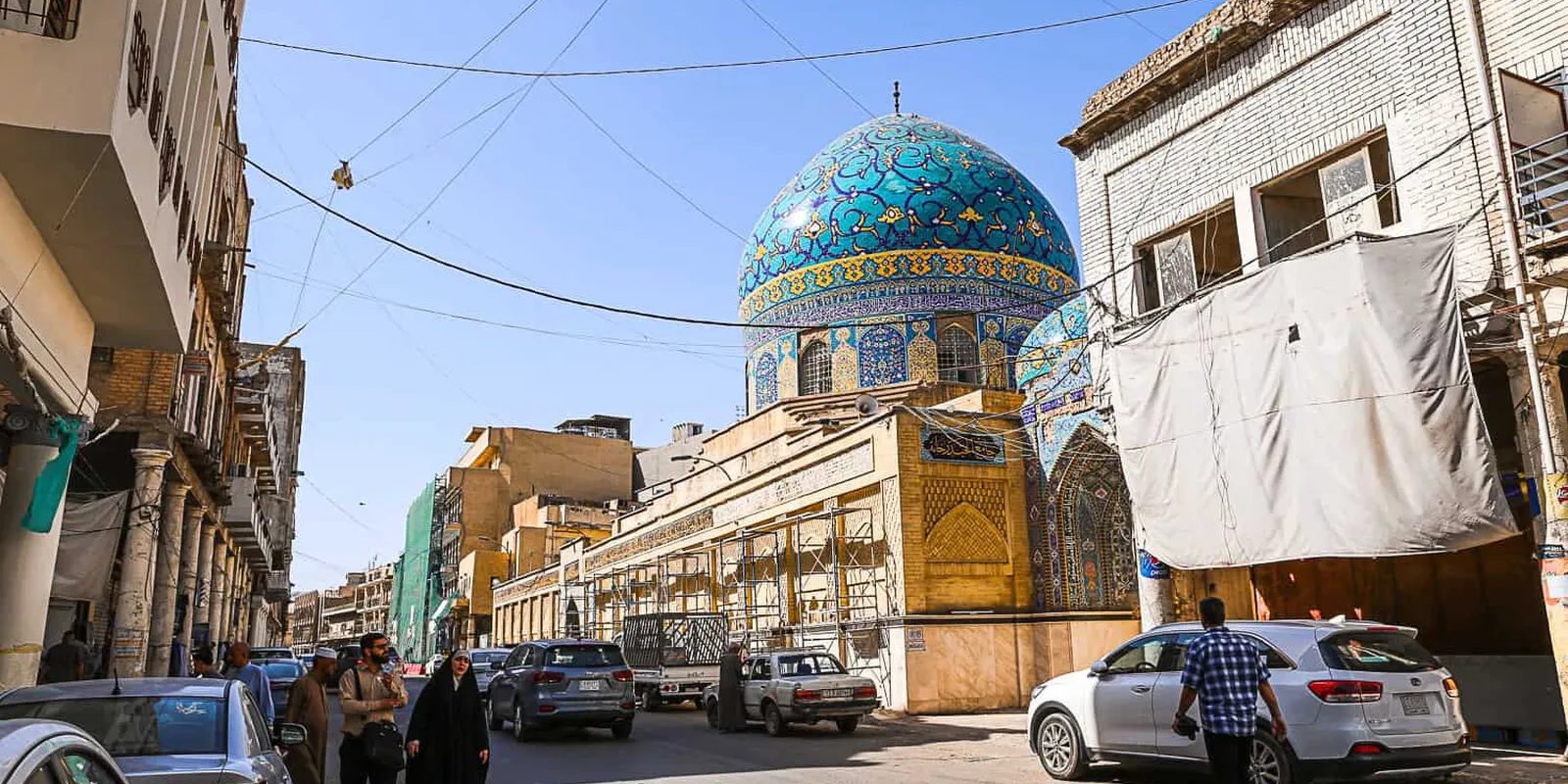

Baghdad Today: The Situation Two Decades After the Invasion
Founded in 762 as the capital of the Abbasid Caliphate, Baghdad was for centuries the cultural and scientific center of the Islamic world, keeper of legendary libraries like the House of Wisdom.
Today the city preserves the National Museum of Iraq, with Mesopotamian artifacts among the most important in the world, and al-Mutanabbi Street, the historic book street that has come back to life after the most difficult years.
Since the United States invasion in 2003, Baghdad has gone through sectarian civil war, occupation of parts of the country by the Islamic State between 2014 and 2017, and recurring waves of attacks.
After the military defeat of ISIS, security in the capital has improved considerably, but active groups linked to political factions and militias backed by Iran remain, with sporadic episodes of violence.
Government instability, widespread corruption, and regional tensions linked to Iran-United States relations continue to weigh on the country, making the situation subject to rapid changes.
Most Western chancelleries maintain a high alert level for all of Iraq, though in some cases they have eased the most severe recommendations of previous years.
Those who visited Baghdad in safety could dedicate a day to the National Museum of Iraq, stroll among the booksellers of al-Mutanabbi, and admire the Abbasid architecture still visible in some historic quarters.
The gradual improvement in security over recent years leaves hope for a broader reopening of the country to tourism, yet caution remains in order for those considering a trip.
Related articles

You might also like...
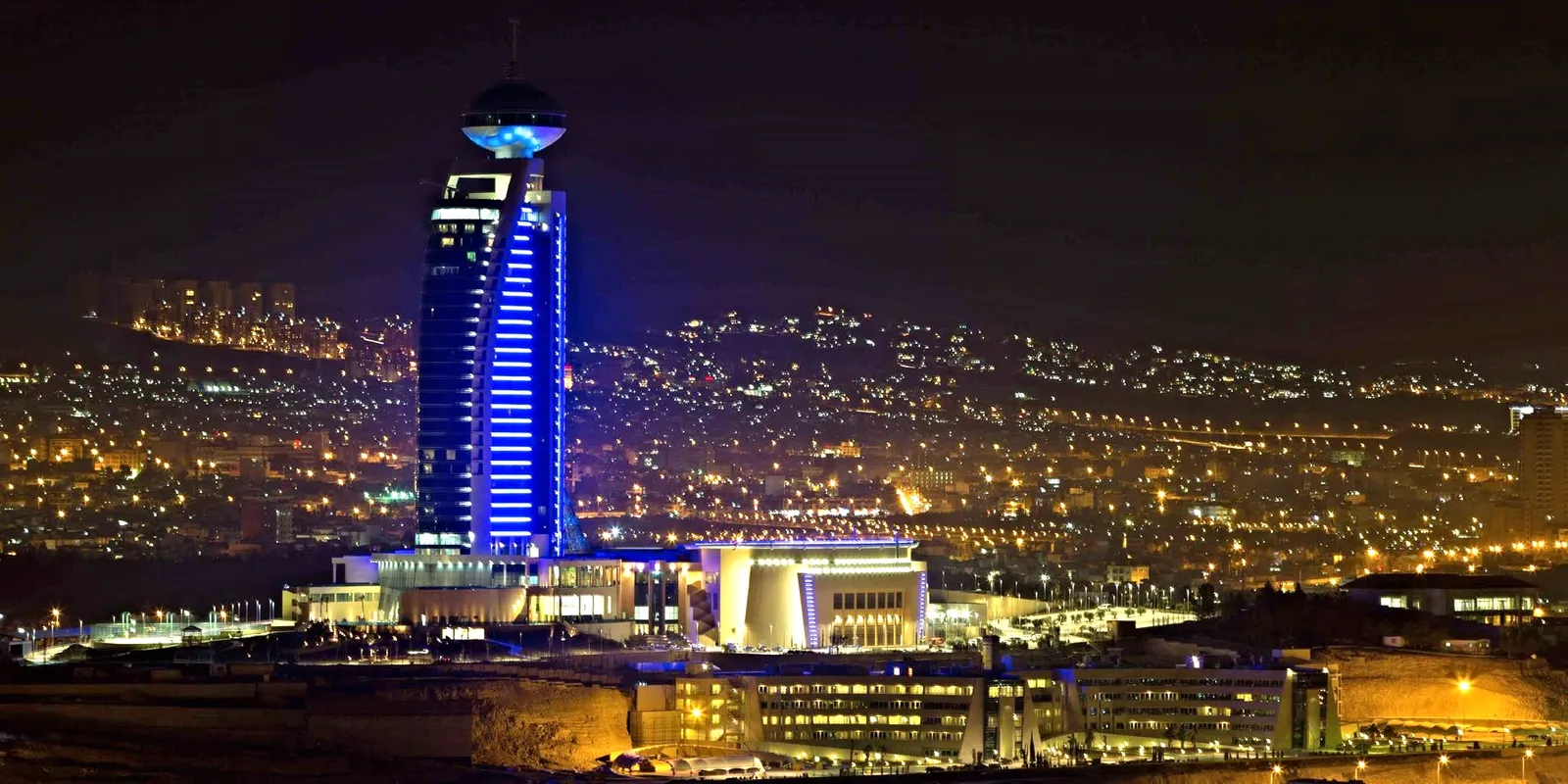
Sulaymaniyah: the garden city of Iraqi Kurdistan
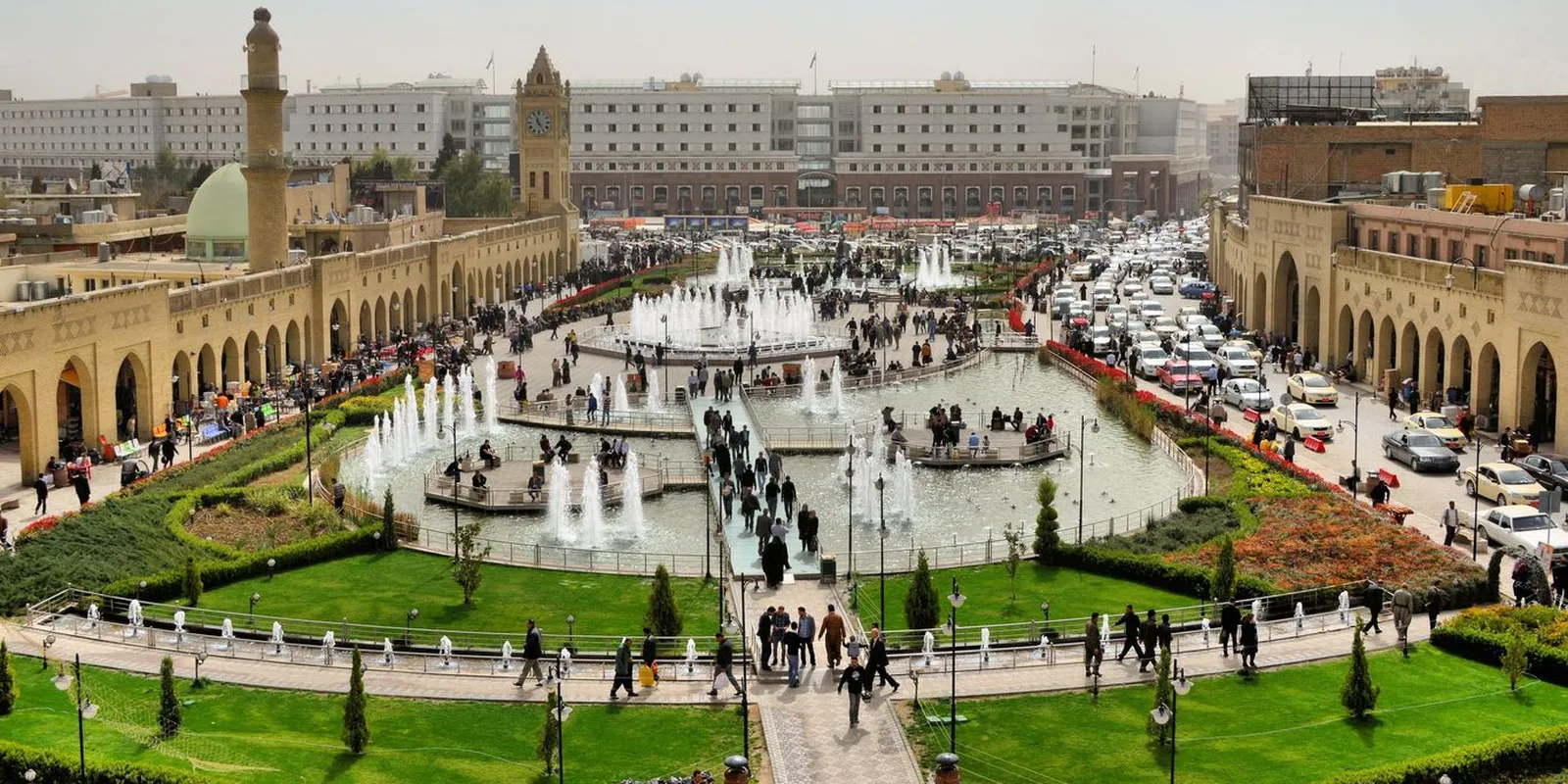
Erbil: the oldest continuously inhabited citadel in the world

Taipei Taoyuan lounges: how to choose between T1 and T2

Liège Airport: where to stay, areas and recommended hotels

Nnamdi Azikiwe International Airport: where to stay, areas and recommended hotels