Cluj-Napoca: the cultural capital of Transylvania
Founded by Romans as Napoca and developed by medieval Saxon settlers, Cluj-Napoca remains Transylvania's primary cultural and university center.
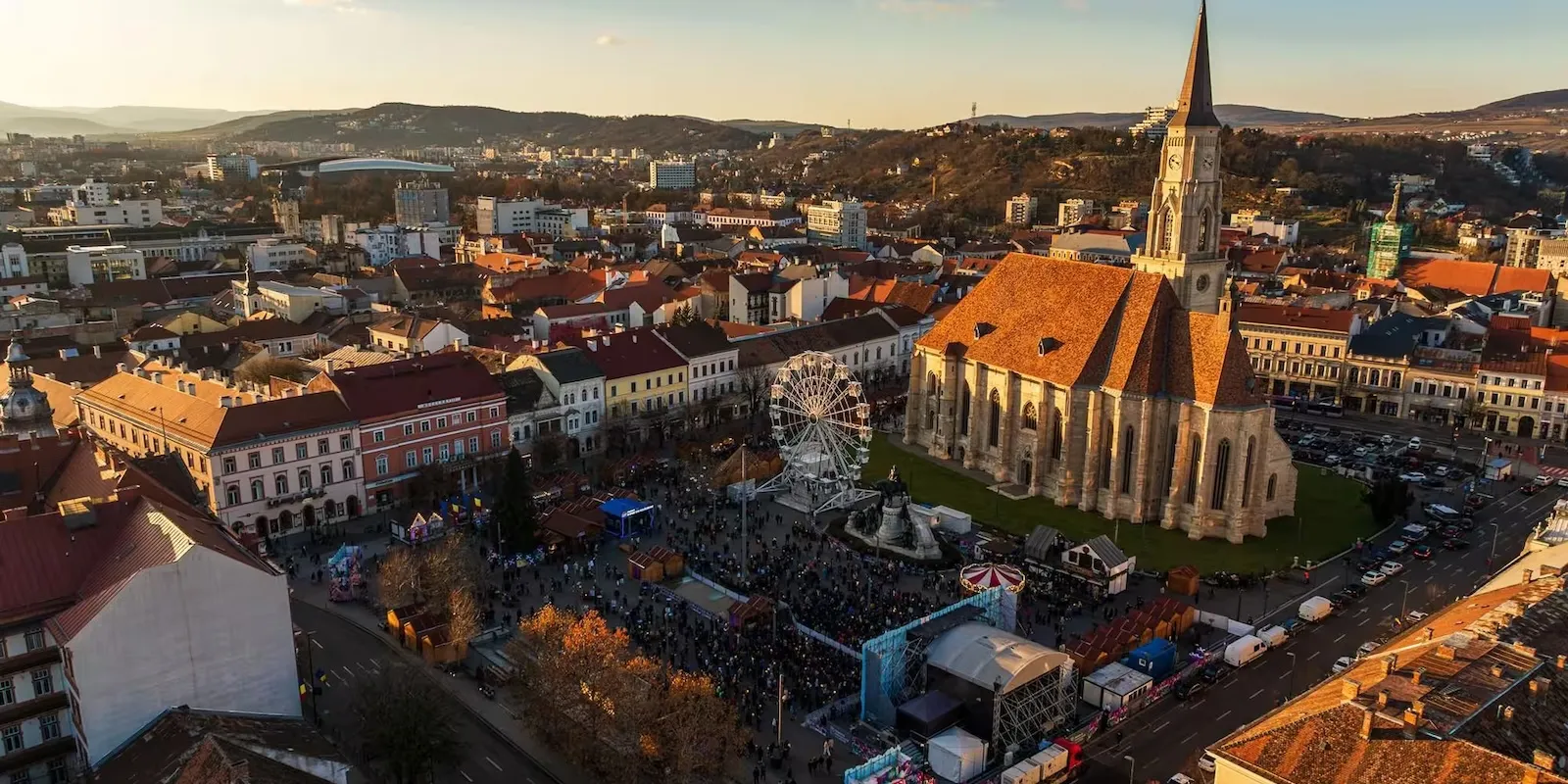
The center, cultural capital of Transylvania, is comfortably explored on foot.
The Church of Saint Michael, Gothic, with the second tallest bell tower in Romania, dominates the main square of the old city.
A few steps away, the House of Matthias Corvinus, where according to tradition the celebrated Hungarian king was born in 1443, preserves fifteenth-century architectural elements.
Continuing, one visits the Botanical Garden of the university, among the richest in Eastern Europe with plant collections from every continent.
Toward evening, the university district animates bars and venues frequented by the numerous student population of the city.
Cluj-Napoca takes its double name from the fusion of the medieval Saxon settlement of Cluj and the ancient Roman city of Napoca, founded by Emperor Hadrian in the second century A.D., of which archaeological traces remain beneath the modern center.
With one of Romania's largest student populations, distributed among various public and private universities, Cluj-Napoca is considered the unofficial capital of Transylvanian youth and technological innovation, attracting in recent years numerous international software companies as well.
Guided tours and experiences in Cluj-Napoca
Related articles


You might also like...
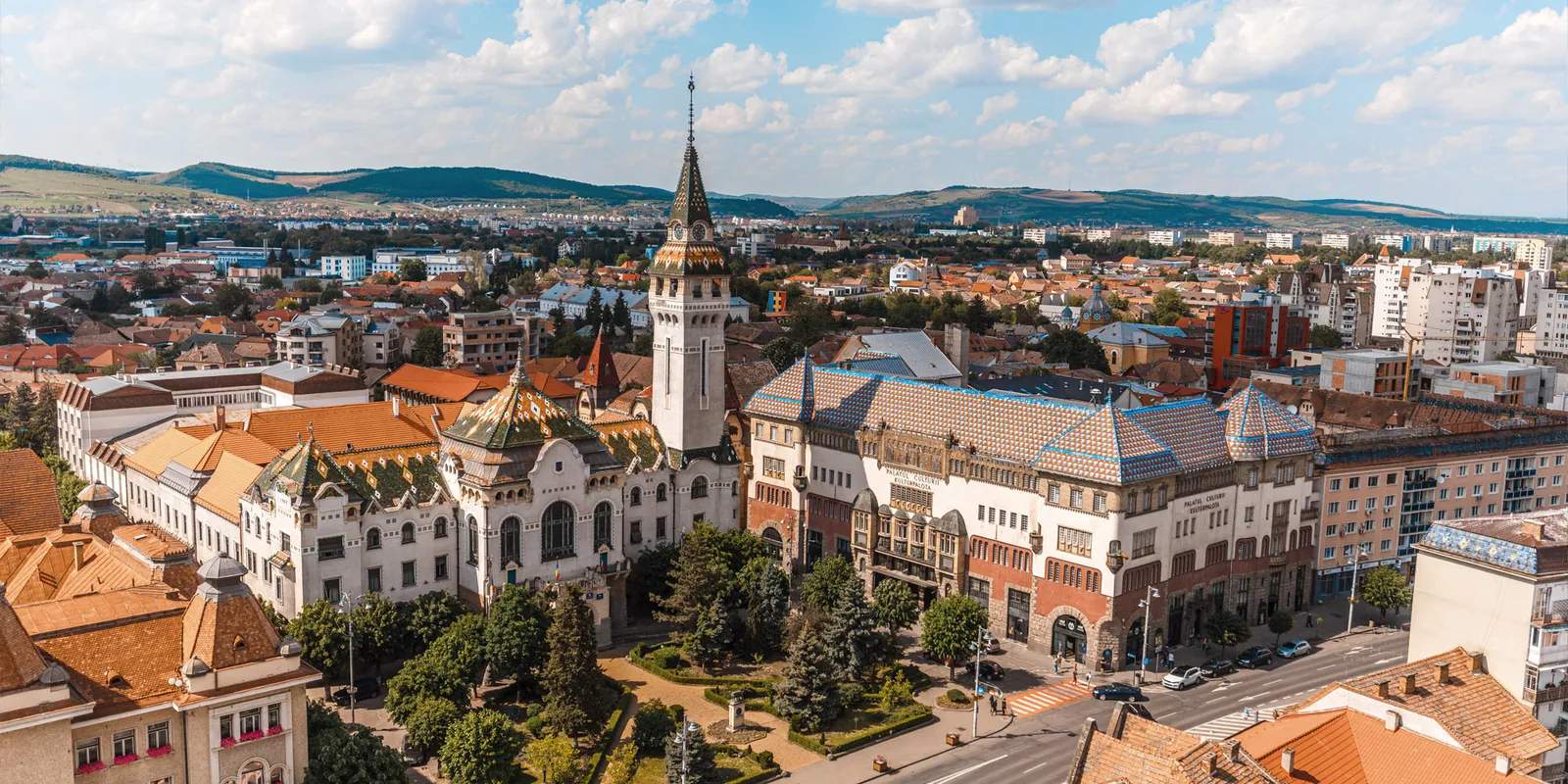
Târgu Mureș: the palace of culture between two communities
Baia Mare: Art Nouveau architecture in mining Transylvania

Strikes and delays: the latest news from the world of flying

In-flight entertainment: how to never get bored

Jeju City International Airport: where to stay, areas and recommended hotels
