Barranquilla: the capital of Carnival
Main river port on the Magdalena River, Barranquilla hosts every February the world's second-largest carnival after Rio de Janeiro, a UNESCO heritage since 2003.
The historic center can be comfortably explored on foot during the cooler hours of the day.
The Barranquilla Carnival, celebrated without interruption since the nineteenth century, blends indigenous, African and European musical traditions in parades of cumbia and mapalé that last four consecutive days.
The Caribbean Museum traces the cultural history of the entire Colombian Caribbean coast through interactive installations dedicated to music, literature and popular traditions of the region.
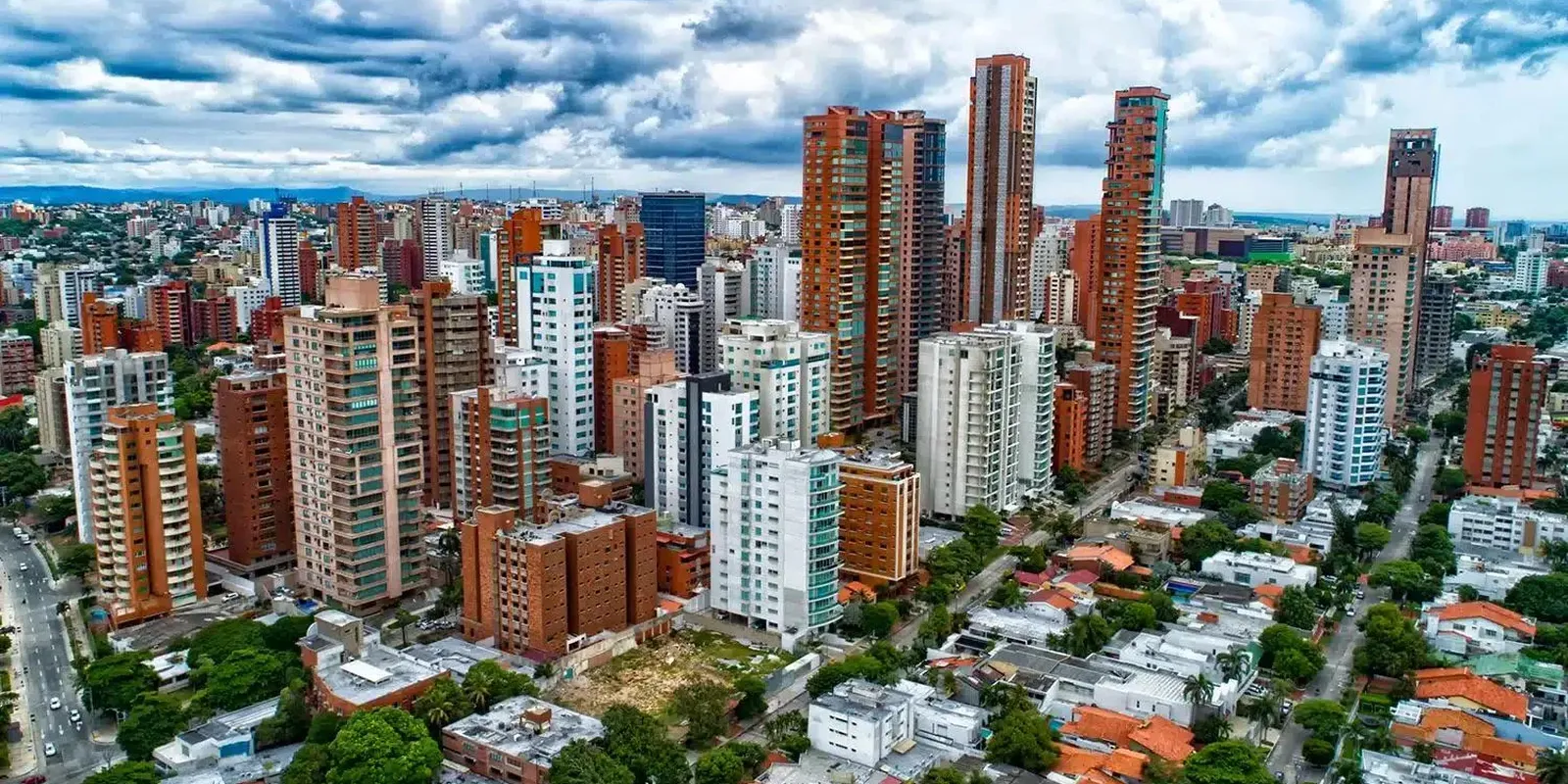
The historic center, with its eclectic buildings from the early twentieth century financed by the prosperity of river commerce, preserves several buildings linked to the season when the city was among the most modern and cosmopolitan in Colombia.
The Grand Malecón of the River, a waterfront revitalized along the Magdalena, offers pedestrian paths and observation points over the commercial traffic that still rises upriver toward the country's interior.
Carnival, able to stop the city for four days each year, and the Caribbean Museum, which preserves its memory for the remaining three hundred sixty-one days, together tell of a Caribbean identity lived both as celebration and as heritage to pass on.
The Gran Malecón, overlooking the same river that made the city rich, reminds us that this identity was born first and foremost from commerce, not music.
Related articles
You might also like...
Santa Marta: Colombia's oldest city
Cartagena de Indias: the walled city

Nantes Atlantique Airport: where to stay, areas and recommended hotels
Incheon lounges: which to pick in Terminal 1 or 2

Kunming Changshui International Airport: where to stay, areas and recommended hotels