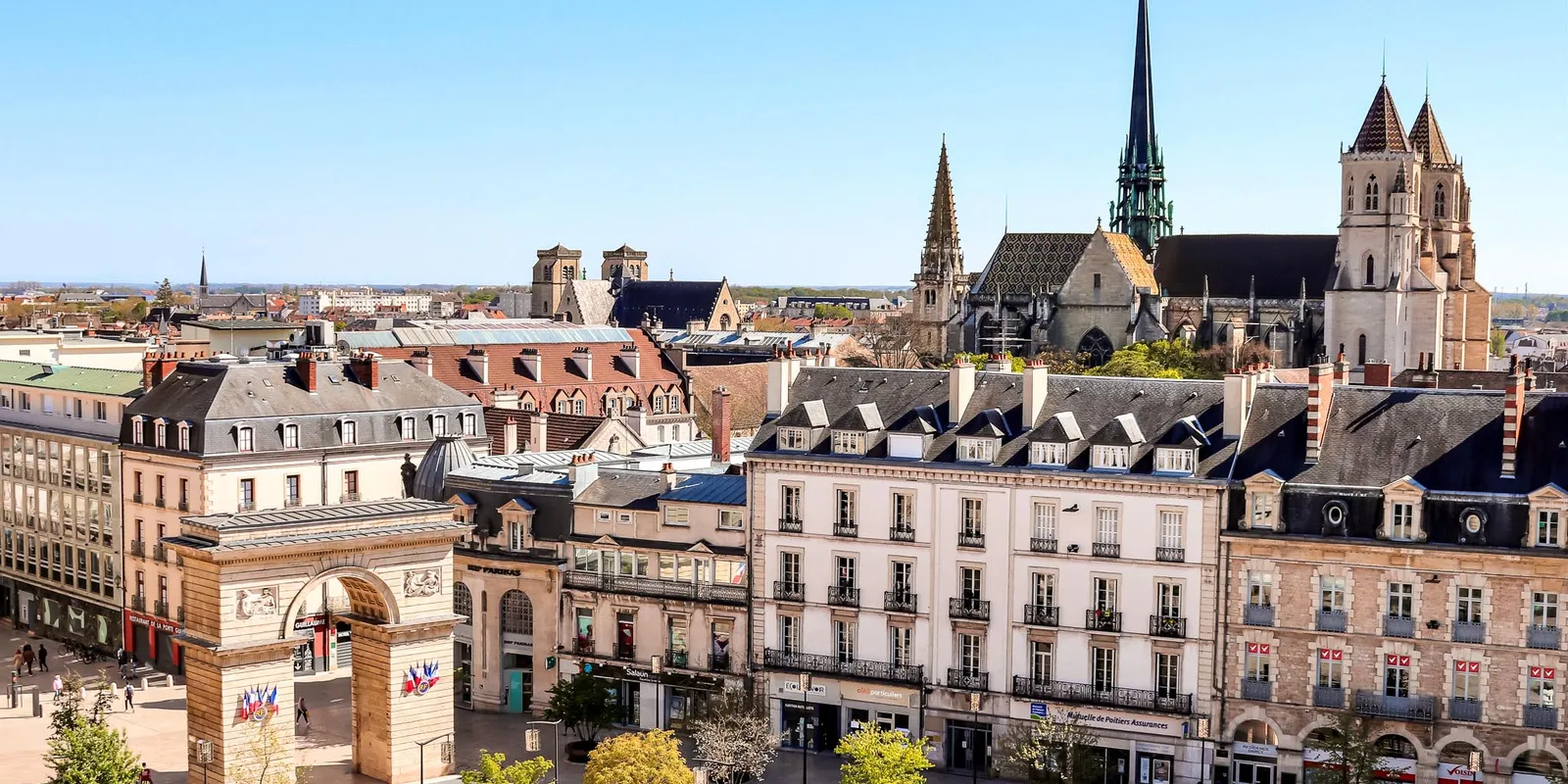

Dijon: mustard and the dukes of Burgundy
Historic capital of the Dukes of Burgundy, Dijon has given its name to one of the world's most exported condiments, still produced according to traditional recipes.
The center, historic capital of the Dukes of Burgundy and home of mustard, is comfortably explored on foot.
The Palace of the Dukes of Burgundy, seat of ducal power for centuries, today hosts both the town hall and a museum of fine arts with Flemish and Burgundian works.
A short walk away, the Church of Notre-Dame, Gothic, preserves a carved owl on the facade that passersby still touch today for good luck, now polished from contact.
Continuing on, you walk along the Owl Route, a tourist itinerary marked by brass plaques set into the pavement that crosses the main city monuments.
Toward evening, a historic mustard shop offers tastings of various varieties produced according to the traditional Burgundian recipe.
Though today a only partially protected geographical name, Dijon mustard remains linked to a recipe that substitutes vinegar with verjuice—juice from unripe grapes—according to the original Burgundy tradition.
The carved owl on the Notre-Dame Church has been so popular with visitors that its relief has gradually worn away over time, prompting the city to consider periodic restoration.
Guided tours and experiences in Dijon
Related articles


You might also like...
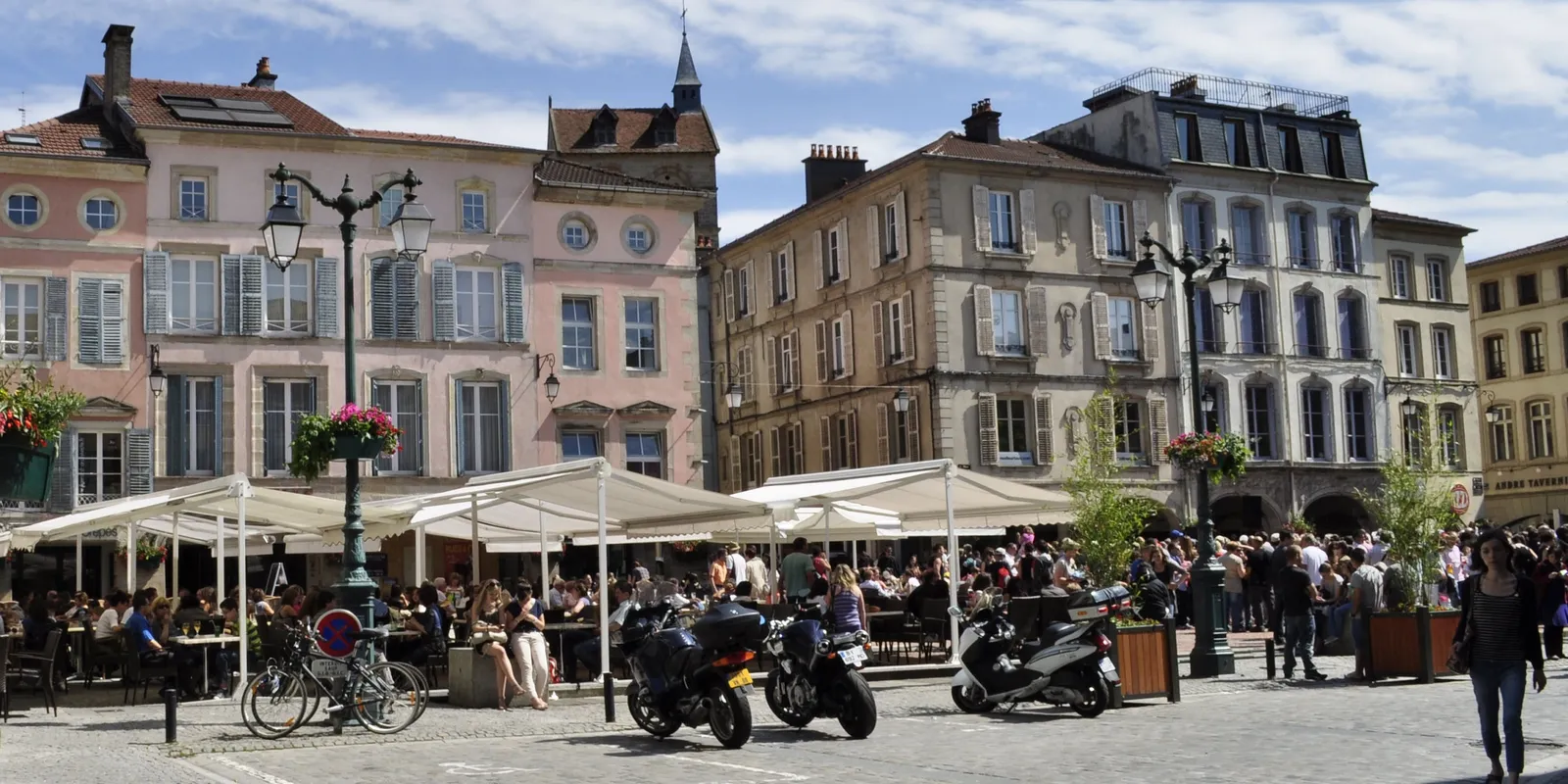
Épinal: the popular prints that gave a name to idealized imagery
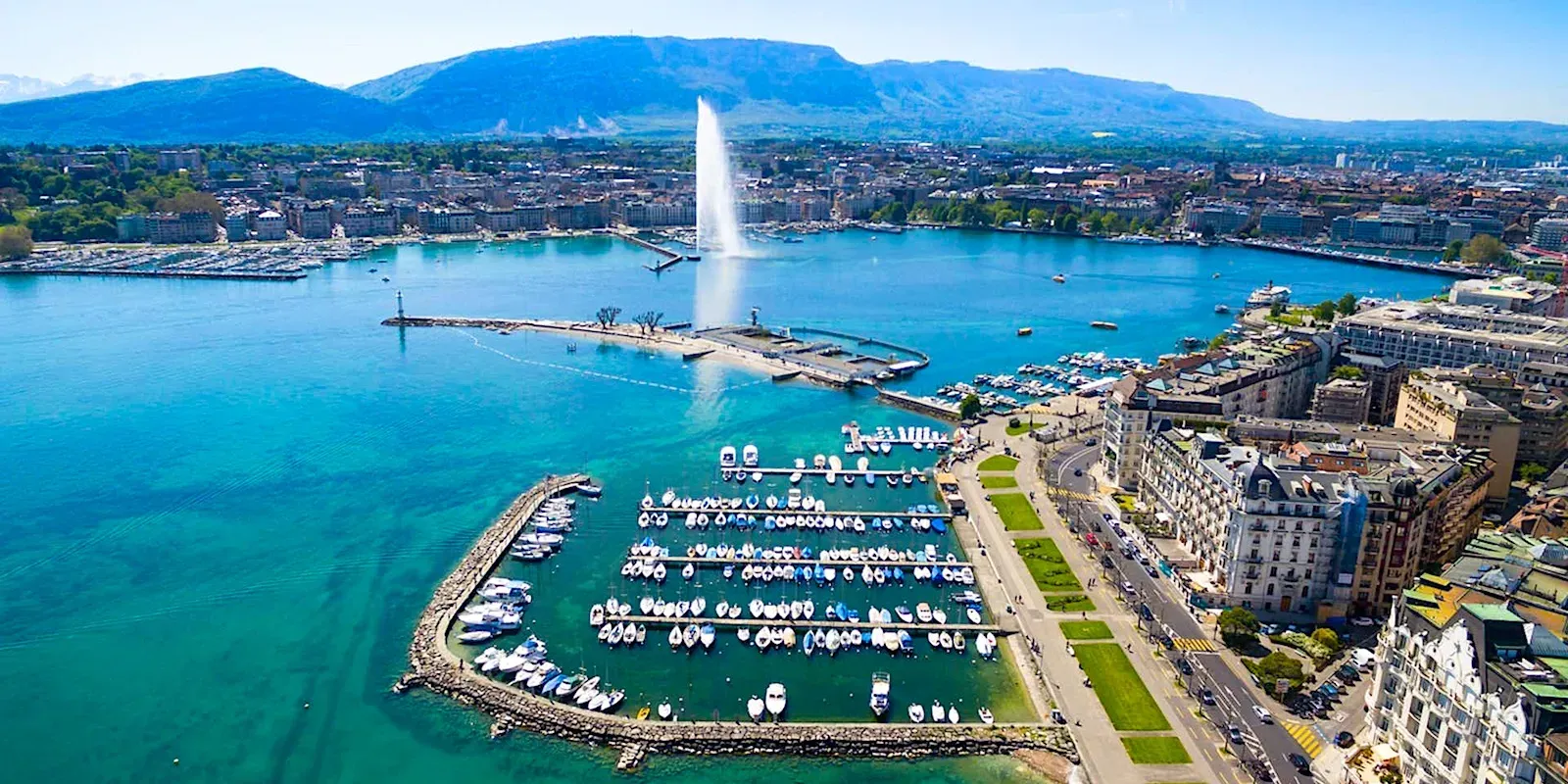
One day in Geneva: itinerary and highlights

SF Airlines: Inside the Cargo Fleet That Moves Chinese E-Commerce

Sulaymaniyah International Airport: where to stay, areas and recommended hotels

Scissors, razors and small items: what you can bring