Fuerteventura: dunes and inland villages
Second-largest of the Canary Islands but among the least inhabited, Fuerteventura alternates Saharan dunes, colonial villages inland, and still-underdeveloped coasts.
Distances are vast: a rental car is almost essential for a day tour.
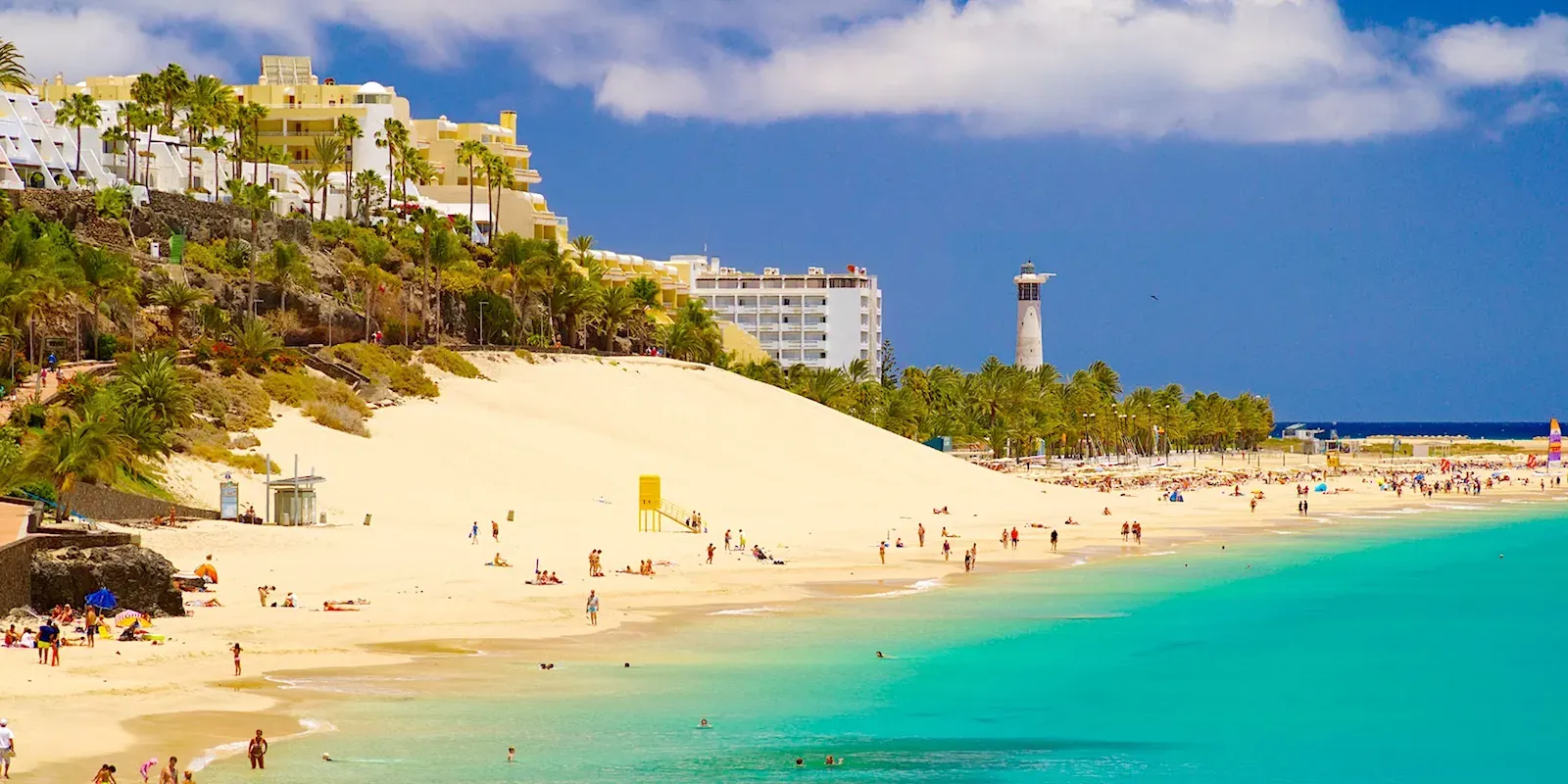
North of the island, the Natural Park of the Dunes of Corralejo protects over ten kilometers of golden sand sculpted by wind, with a landscape often compared to the Sahara desert.
Moving inland, one reaches Betancuria, founded in 1404 and the capital of the island until 1834: it was deliberately built among the mountains to protect it from the attacks of pirates who struck the coast instead.
Not far away, in La Oliva, the Casa de los Coroneles, a military mansion from the seventeenth century, remains one of the most imposing historic buildings in the interior.
Toward evening, it is worthwhile to reach El Cotillo, a fishing village on the western coast with natural lagoons sheltered from the waves, ideal for a sunset swim.
The lagoons of El Cotillo remain calm even when the rest of the island's Atlantic coast is battered by high waves, thanks to a natural rock barrier that shields them from the open sea.
Betancuria, today a village of just a few hundred inhabitants, was for four centuries the seat of power on an island far more exposed and vulnerable than its current tourist coast suggests.
Guided tours and experiences in Fuerteventura

Related articles

You might also like...
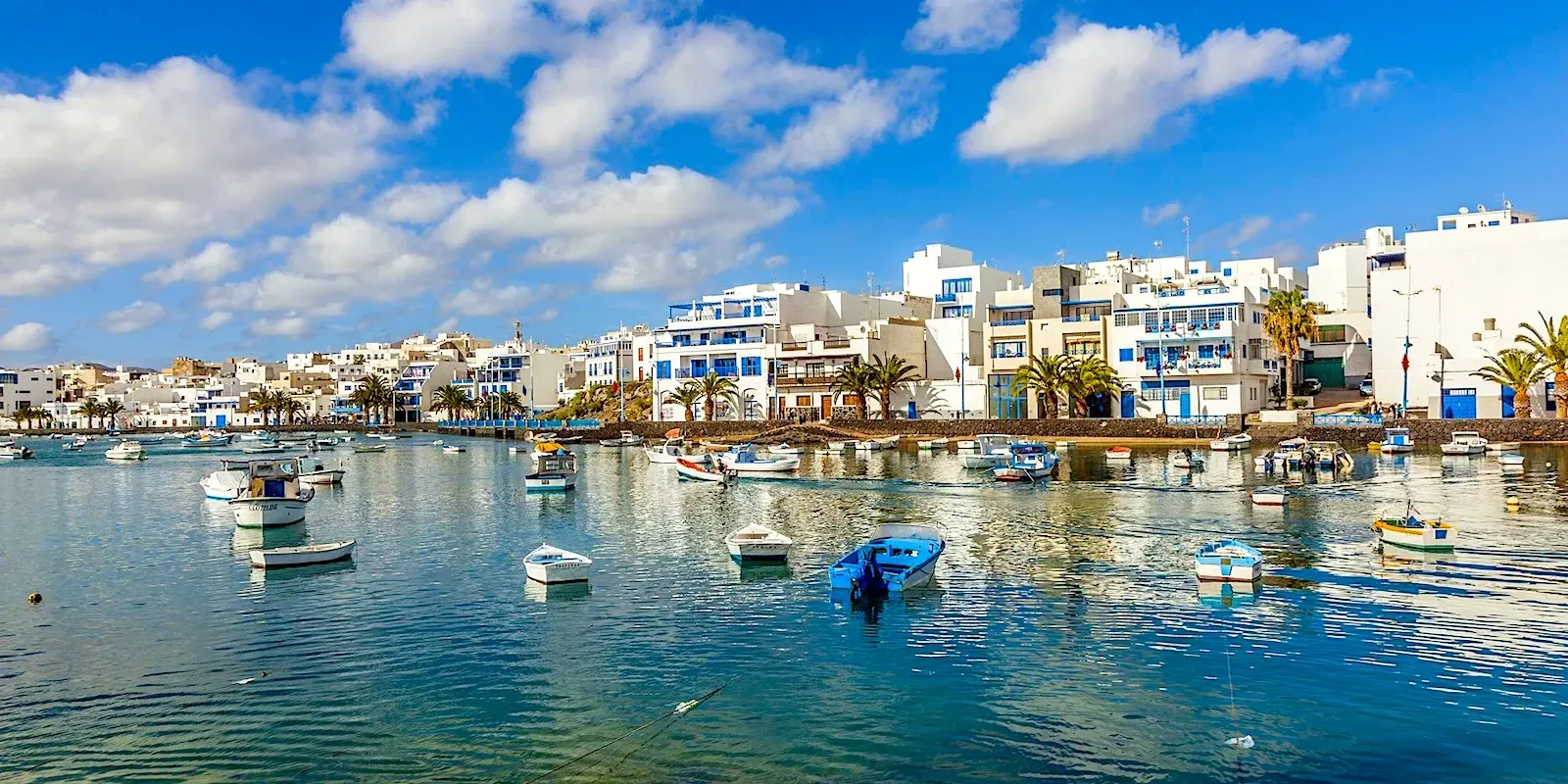
Lanzarote: César Manrique's volcanoes
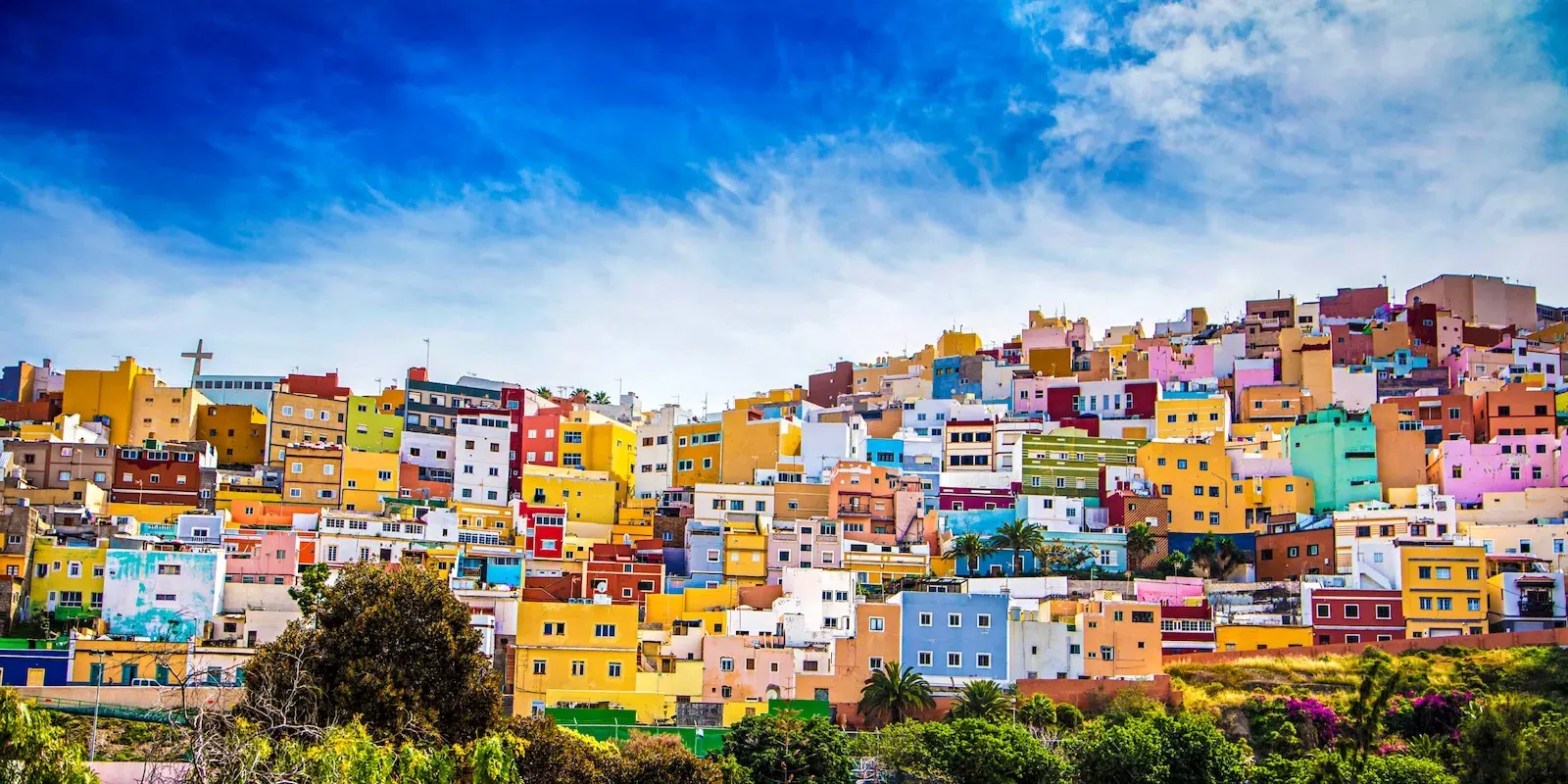
Gran Canaria: Las Palmas between beach and history
AIRDO: The Airline Born from the Liberalization of Hokkaido's Skies

Jorge Chávez International Airport: where to stay, areas and recommended hotels

Netaji Subhash Chandra Bose International Airport: where to stay, areas and recommended hotels