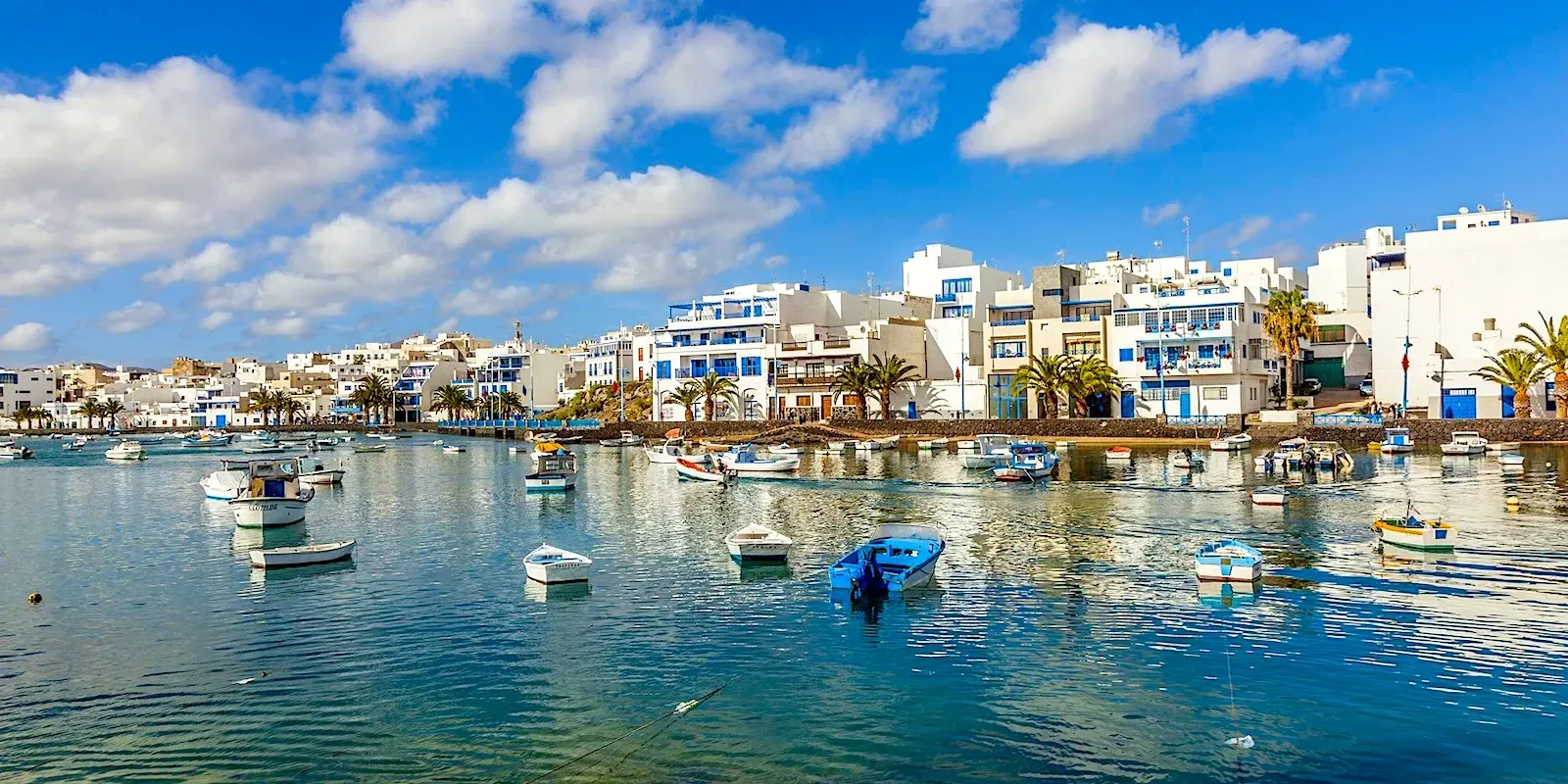

Lanzarote: César Manrique's volcanoes
Seventh-century eruptions covered a quarter of Lanzarote with lava and ash: artist César Manrique then transformed that hostile landscape into one of the Canaries' most surprising islands.
Here too a rental car is the most practical way to connect the various attractions.
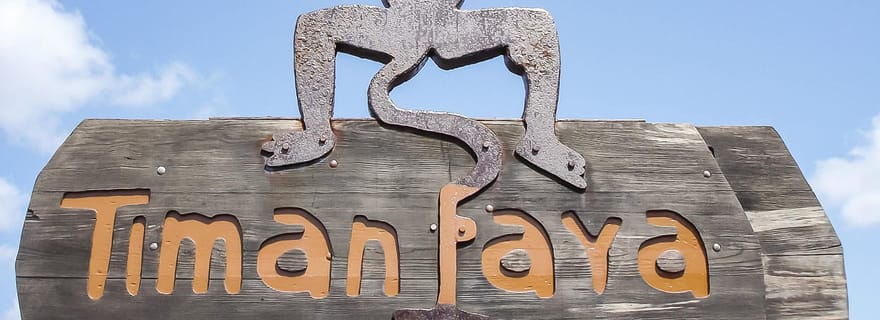
Between 1730 and 1736, a series of eruptions buried eleven villages and gave rise to the Timanfaya National Park, where the heat from the subsoil still allows geothermal demonstrations today just centimeters from the surface.
Continuing north, one enters the Cueva de los Verdes, a lava tunnel about six kilometers long formed during an eruption of the La Corona volcano.
In the same cave system, just further ahead, the Jameos del Agua of Manrique host a natural lake populated by a small white and blind crab that lives only in this cavity.
Toward sunset, the Mirador del Río, also signed by Manrique, overlooks a cliff to the Chinijo archipelago and the island of La Graciosa.
In the restaurants built above the Timanfaya craters, meat is still grilled using geothermal heat that rises directly from the ground, needing neither charcoal nor gas.
The tiny crab of the Jameos del Agua, lacking pigmentation and functional eyes, has become over the years the unofficial symbol of just how isolated and unique the island's underground ecosystem is.
Guided tours and experiences in Lanzarote


Related articles

You might also like...
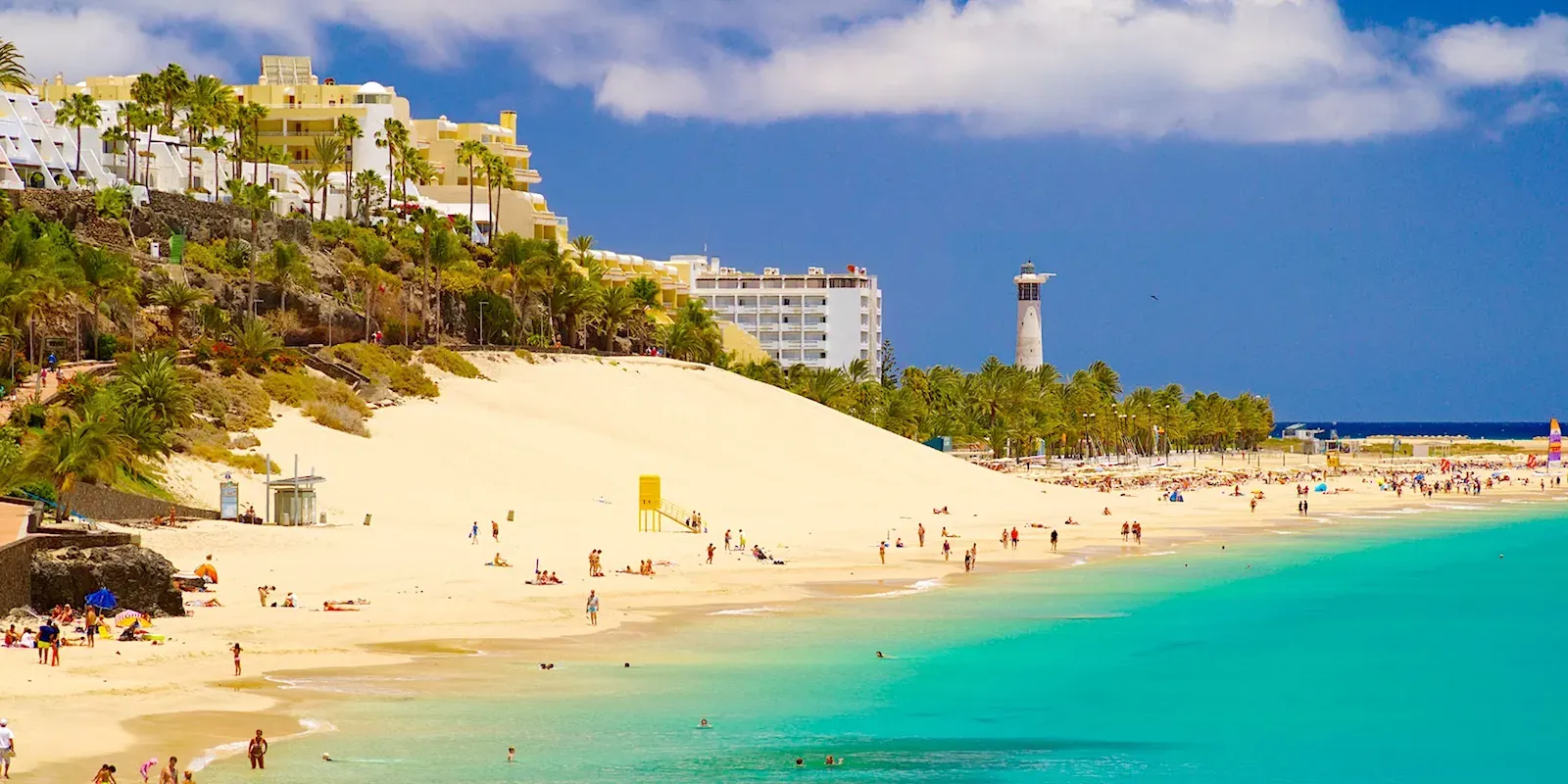
Fuerteventura: dunes and inland villages
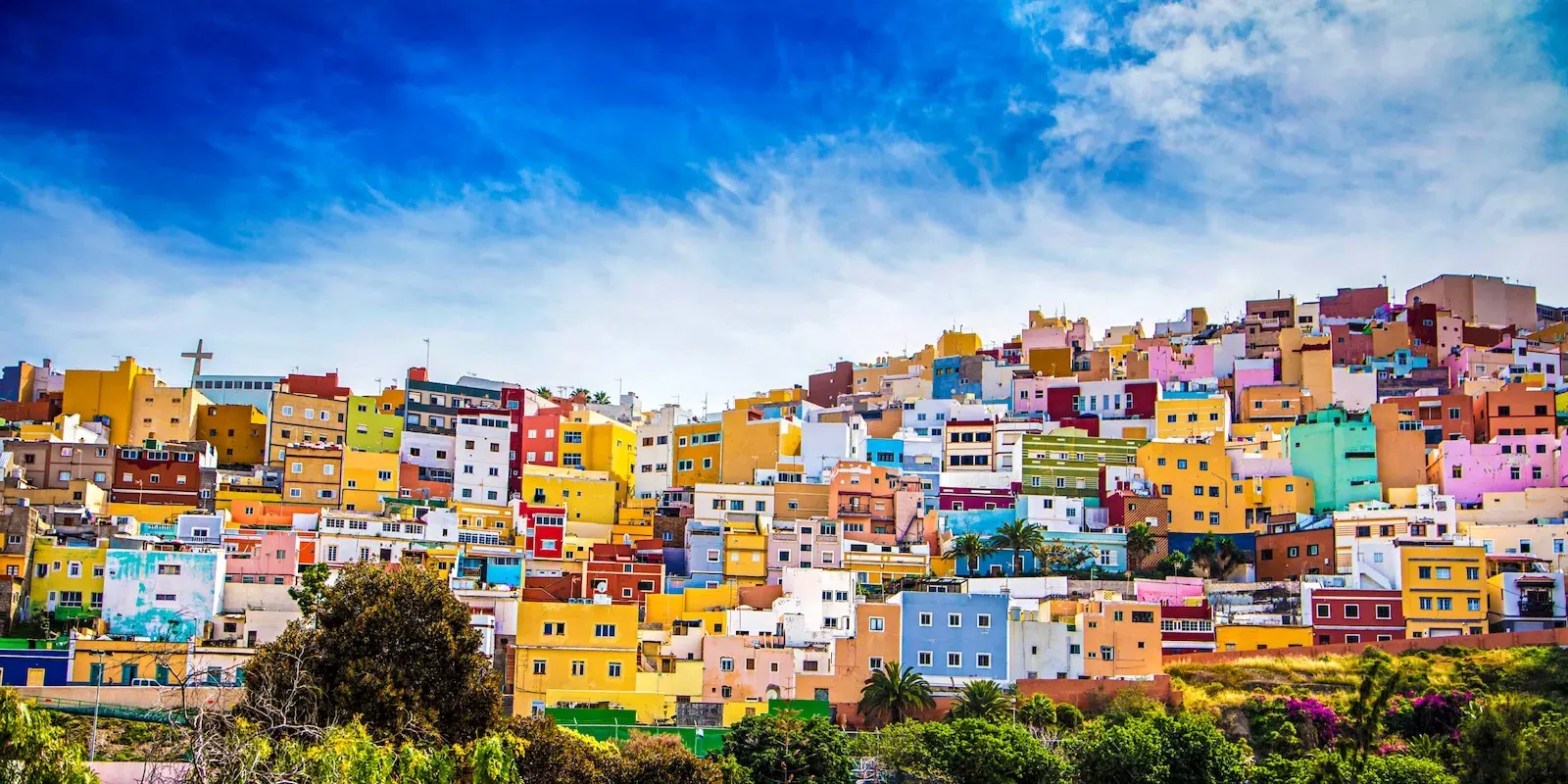
Gran Canaria: Las Palmas between beach and history

MBS International Airport: where to stay, areas and recommended hotels

TransNusa: From the Comac C909 to International Routes, the Transformation of a Regional Airline

JetBlue Airways After the Failed Merger with Spirit: the JetForward Strategy and What Passengers Say
