Kolkata: the city of joy and trams
Cultural capital of India and the only city in the country to still have an active tram network, Kolkata preserves British architectural heritage alongside intellectual ferment that has lasted for centuries.
Yellow taxis and trams remain the most common way to get around the city.
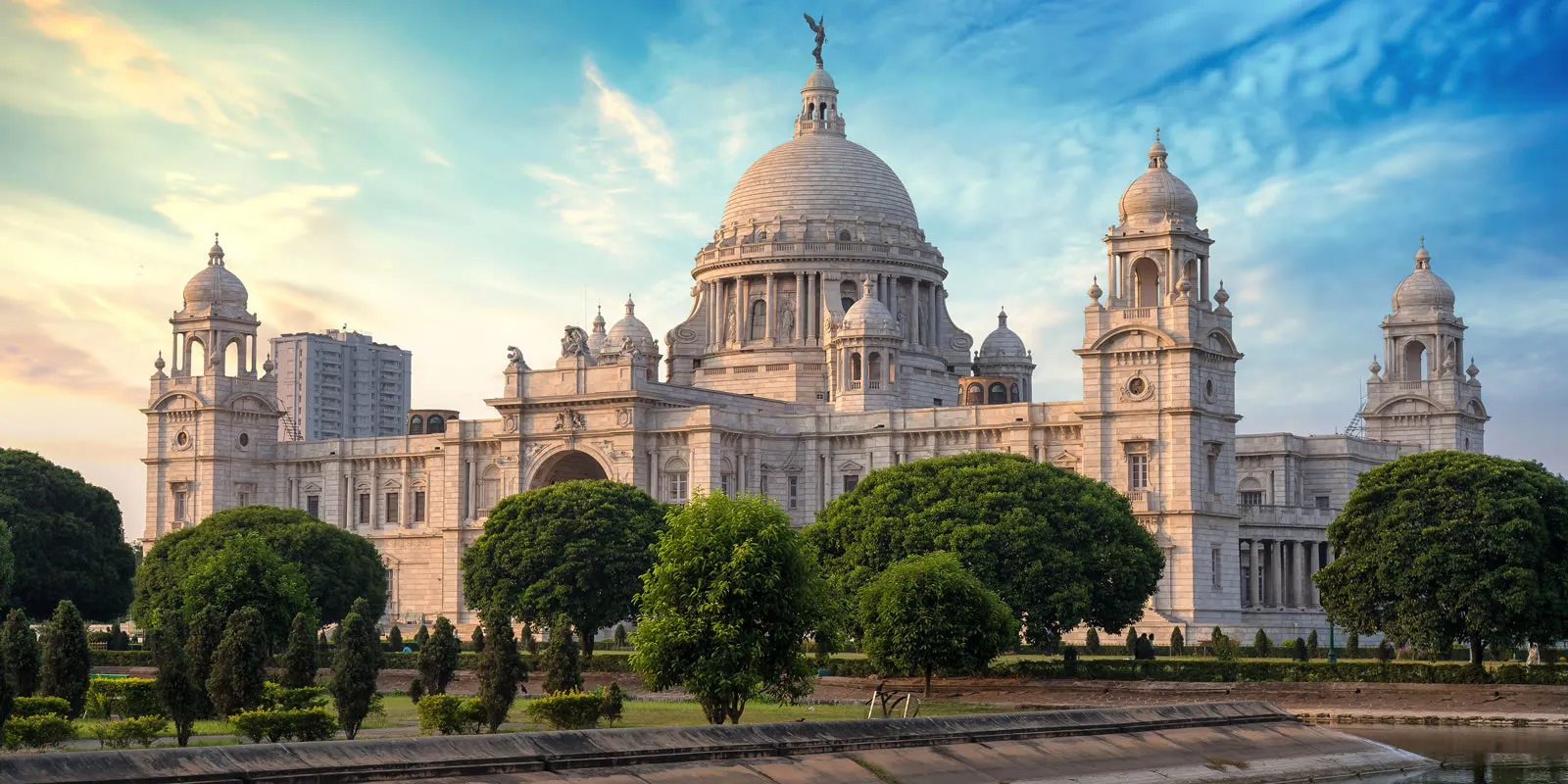
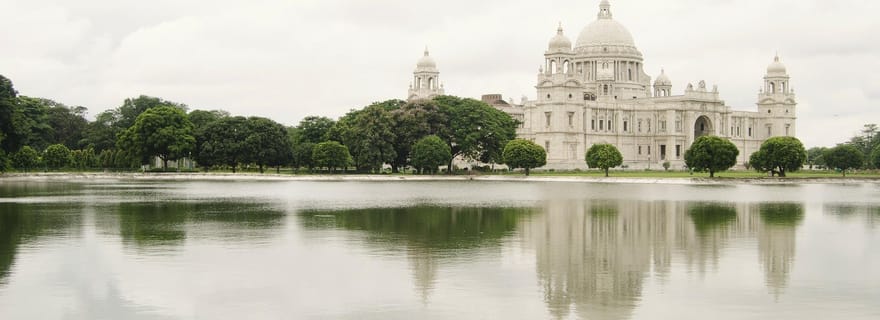
The Victoria Memorial, an imposing white marble building erected in honor of Queen Victoria, houses a museum today dedicated to the history of British colonialism in India.
A short walk away, the Howrah Bridge, a cantilever bridge over the Hooghly River, remains one of the world's busiest bridges with hundreds of thousands of crossings daily.
Continuing, you can visit College Street, a district of bookshops and used book stalls that makes Calcutta the most important publishing center in eastern India.
As evening falls, a ride on the city's historic trams, the only ones still active in all of India, traverses the illuminated colonial quarters.
The Howrah Bridge, lacking piers in the river to avoid obstructing river traffic, was constructed entirely of steel during World War II, when India was still a British colony.
Calcutta was the capital of British India until 1911, when the seat of government moved to Delhi: many of its grand colonial buildings date from this period of peak administrative splendor.
Guided tours and experiences in Kolkata

Related articles

You might also like...
Dhaka: the rickshaw capital on the Ganges
Ranchi: the waterfalls of India's tribal capital
Virgin Australia Regional: The Fokker 100 and Airbus A320 Fleet After Saying Goodbye to the ATRs

Rijeka Airport: where to stay, areas and recommended hotels

Manchester Airport: where to stay, areas and recommended hotels