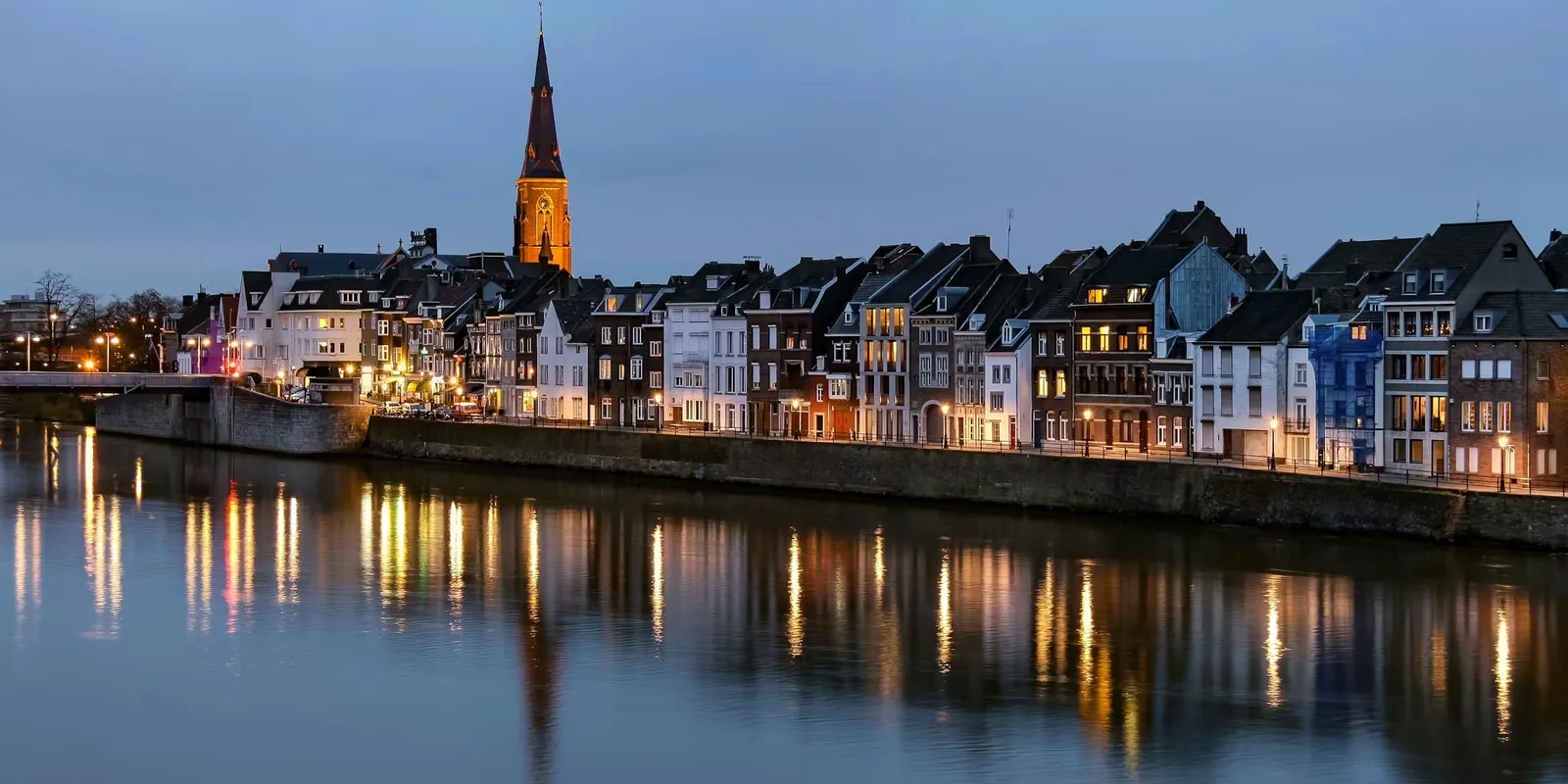
Maastricht: where the European Union was born
In 1992, a treaty signed in Maastricht officially gave birth to the European Union as we know it today, along with the single currency project.
The center, where the treaty giving birth to the European Union was signed in 1992, is comfortably explored on foot.
The Basilica of Saint Servatius, among the Netherlands' oldest churches, houses a treasure of reliquaries and medieval artifacts in an attached museum.
A short walk away, the Bonnefantenmuseum, with its characteristic domed tower, displays ancient and contemporary art in a building designed by Italian architect Aldo Rossi, overlooking the Meuse River.
Continuing on, you visit the underground galleries of Mount Saint Peter, a network of tunnels carved into limestone marl, used over the centuries as quarries and as an air-raid shelter.
Toward evening, the Wyck district, beyond the Meuse River, animates restaurants and venues in the multicultural heart of the city, among artisanal shops and cafes.
The Maastricht Treaty, signed in 1992, laid the groundwork for the euro and transformed the European Economic Community into the modern European Union – a crucial moment in the history of continental integration.
The underground galleries of Sint-Pietersberg extend for more than two hundred kilometers of tunnels, among the most extensive man-made underground cave systems in the world.
Guided tours and experiences in Maastricht


Related articles
You might also like...
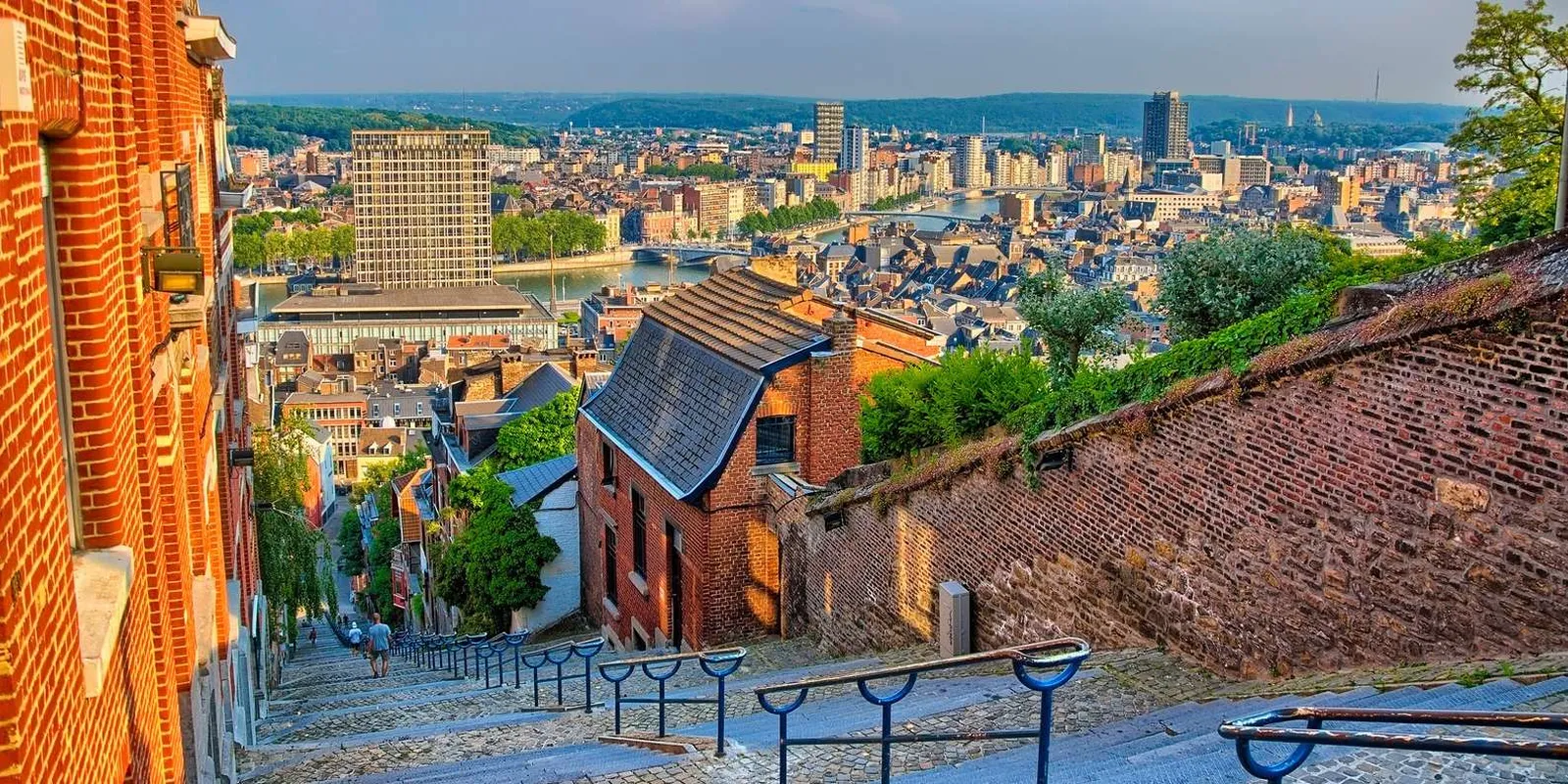
Liège: the rebellious city on the Meuse
Eindhoven: the city of light turned design capital

Rijeka Airport: where to stay, areas and recommended hotels
Avianca El Salvador: The TACA Legacy Within the Avianca Group

Air Inuit: How the Wholly Inuit-Owned Carrier Flies
