
Macau: the Las Vegas of the East on Portuguese foundations
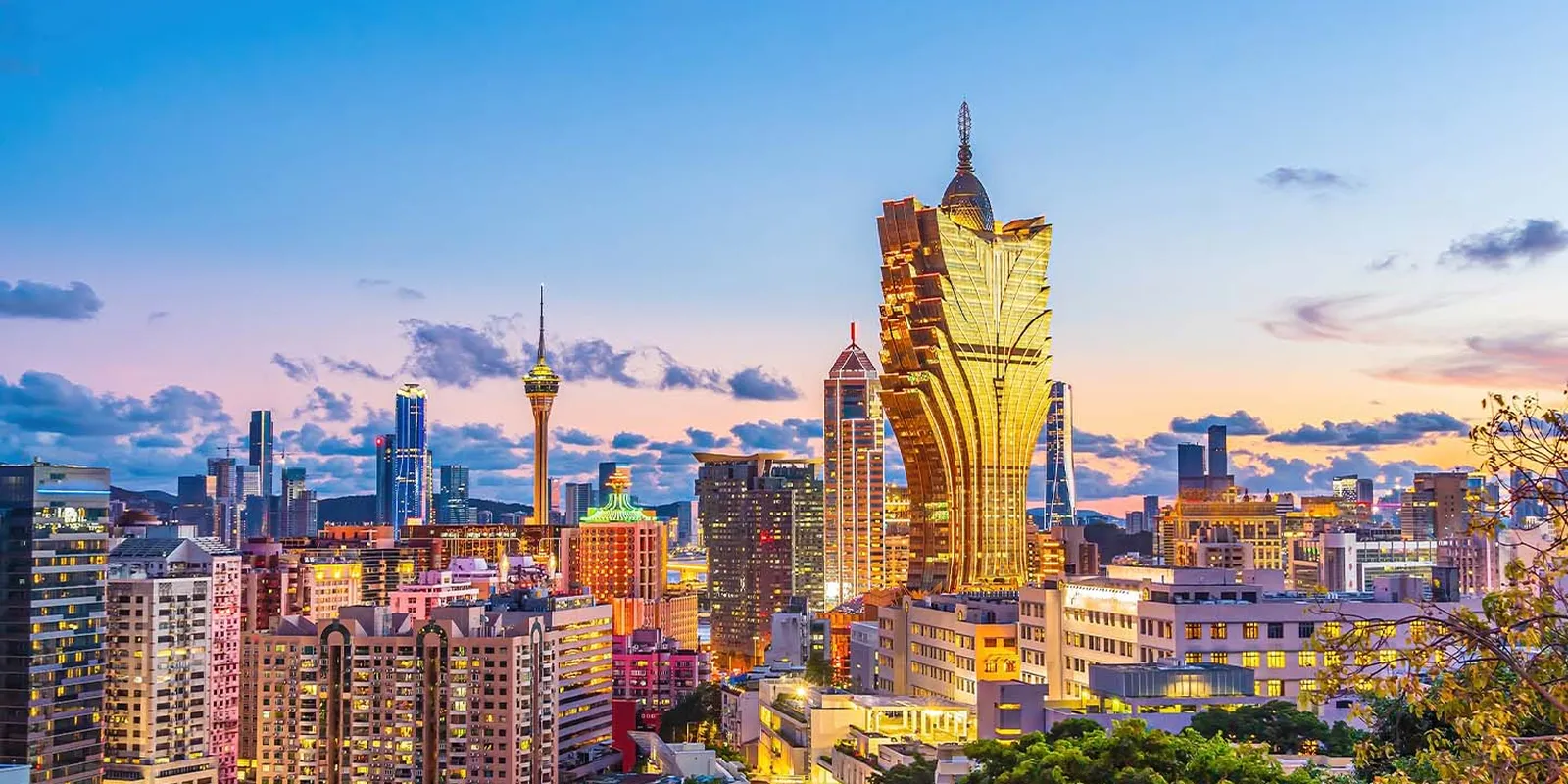
The last European colony in Asia until 1999, Macao blends Portuguese Baroque churches with casinos that generate more gambling revenue than any other city in the world.
The Portuguese historic centre, a UNESCO World Heritage site, is easily explored on foot, distinct from the large modern casino district.
The Ruins of São Paulo, surviving façade of a Jesuit church destroyed by fire in 1835, remain the most photographed symbol of the city's Portuguese heritage.
A short walk away, the Largo do Senado, a square paved in the Portuguese style with white and black waves, brings together pastel colonial buildings around a central fountain, filled with shops and cafés.
Climbing toward the Fortaleza do Monte, a seventeenth-century fortress built by the Jesuits, you overlook the entire historic peninsula of Macau.
As evening falls, the casinos of Cotai Strip, including scale replicas of Venice and Paris, illuminate the city's more modern areas with neon signs.
Macau has surpassed Las Vegas in total gambling revenue for over a decade, largely due to the influx of visitors from nearby mainland China.
The ruins of St. Paul's Cathedral remain standing only as a façade: behind it lies no building whatsoever, but instead a staircase leading down to a small underground sacred museum.
Guided tours and experiences in Macao

Related articles

You might also like...
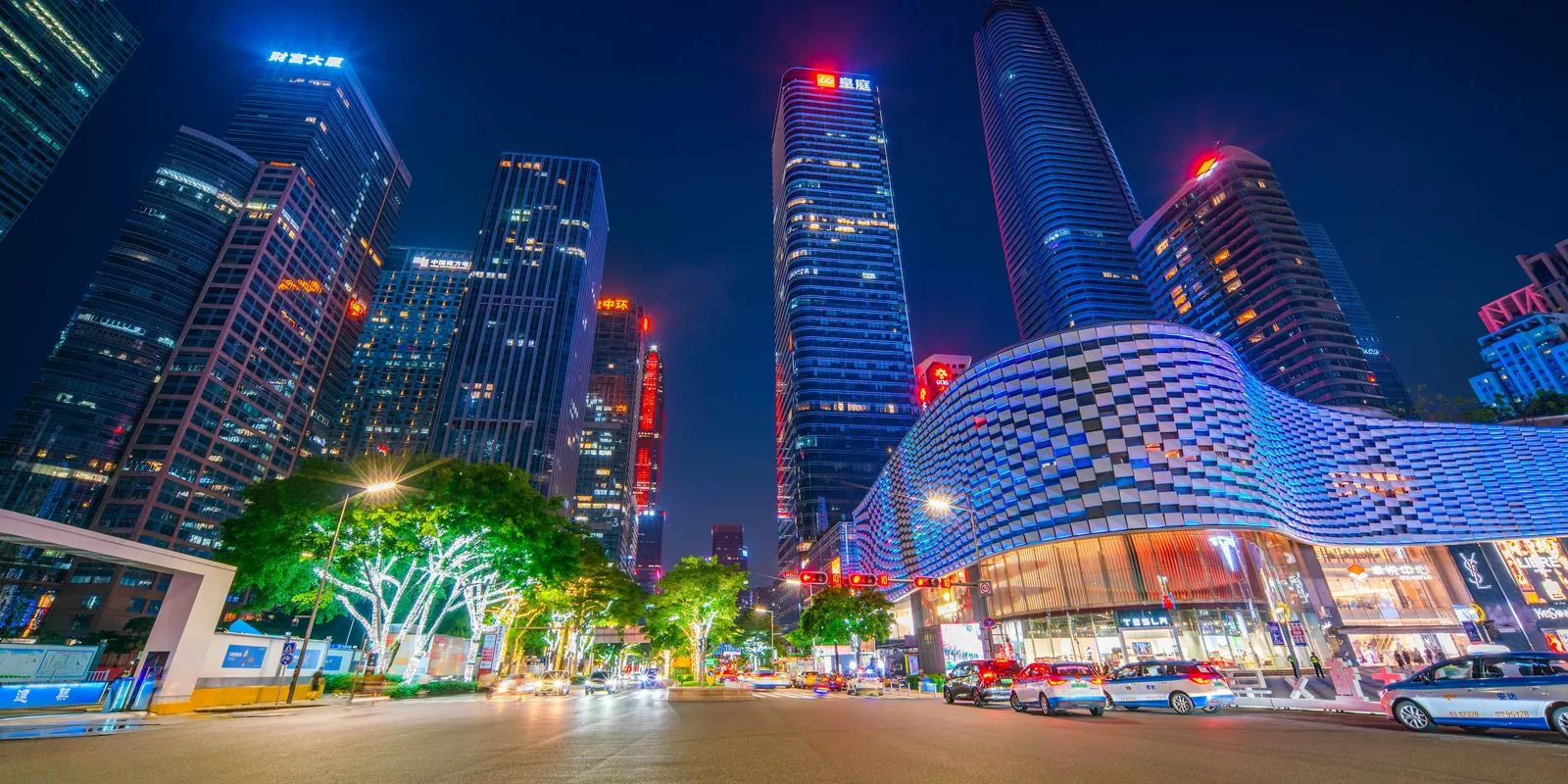
Shenzhen in a few hours: skyline and creativity
What to see in Hong Kong in 1 day
Flying With Air Canada: Punctuality, Fleet and What Passengers Really Say

Lorient South Brittany (Bretagne Sud) Airport: where to stay, areas and recommended hotels

Hydration and nutrition on board: feeling good above the clouds