
Panaji: Goa's Portuguese legacy
Capital of Goa, India's last Portuguese colony until 1961, Panaji preserves entire neighborhoods that recall Lisbon more than the rest of the Indian subcontinent.
The center is visited on foot; for Old Goa and beaches a car or taxi is needed.
The pastel-coloured houses of Fontainhas, Panaji's old Latin quarter, face onto narrow alleyways that recall Portuguese colonial architecture.
Moving towards Old Goa, one visits the Basilica of Bom Jesus, a UNESCO World Heritage site that houses the remains of Saint Francis Xavier, exposed to the public only every approximately ten years.
A few steps away, the Cathedral of Santa Catarina, among the largest churches in all of Asia, testifies to the religious ambitions of Portuguese colonists in India.
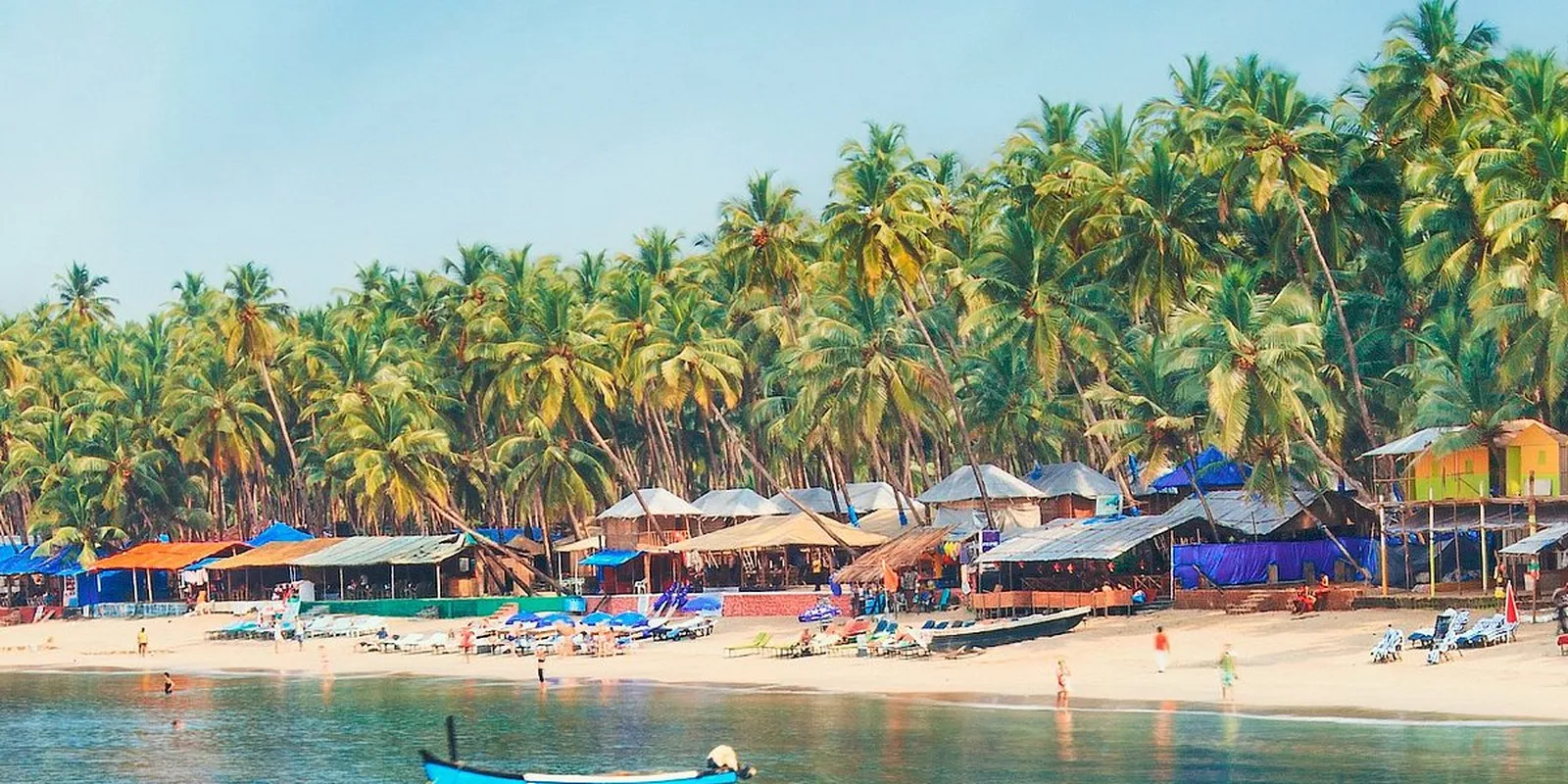
In the afternoon, it is worth reaching one of Goa's beaches, such as Miramar or Calangute, to close the day at sea among fresh coconut stalls and street vendors.
The remains of Saint Francis Xavier, who died in 1552, are said to be incorrupt according to local Catholic tradition: his last public display drew pilgrims from throughout India and beyond.
Goa remained under Portuguese control for over four hundred years, far longer than British rule over the rest of India, a detail that explains why its architecture remains so distinctly different from the rest of the country.
Guided tours and experiences in Panaji

Related articles

You might also like...
Hubli-Dharwad: the twin cities of Indian classical music
Mumbai in a day: what to see

Visby Airport: where to stay, areas and recommended hotels

Jeju Air After the Muan Accident: Fleet, Routes and What to Know Today

Thiruvananthapuram International Airport: where to stay, areas and recommended hotels