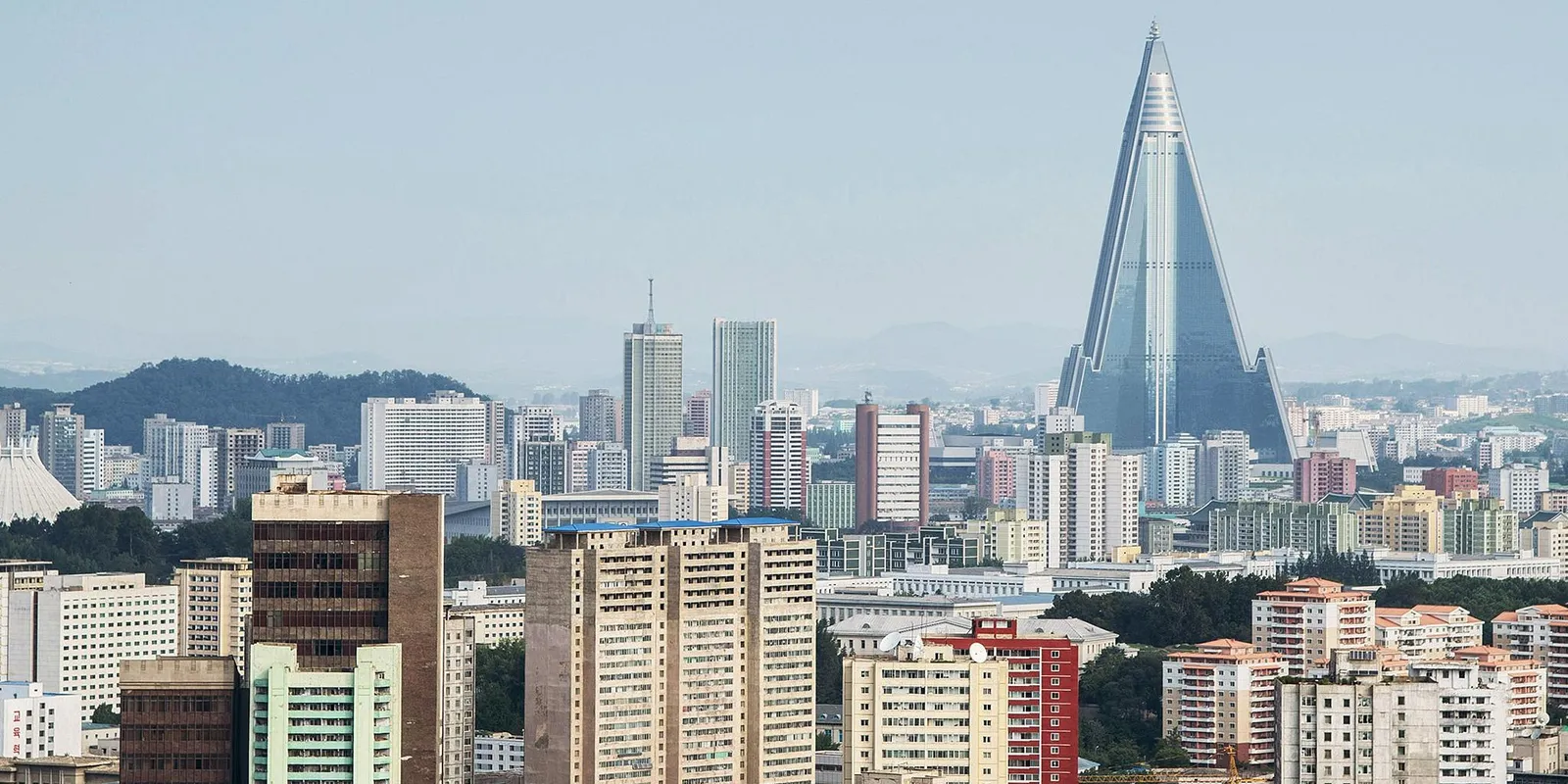

Pyongyang Today: Isolation, Control and What Visitors See
Rebuilt almost entirely after the Korean War, Pyongyang is today a capital with monumental urbanism, featuring Kim Il-sung Square, the Tower of Juche, and the great murals of Mansudae.
The city's subway, among the world's deepest, is decorated with propaganda mosaics and is itself one of the attractions shown to the rare foreign visitors.
Unlike the other cities on this list, Pyongyang is not the scene of an armed conflict: the main risk derives from the absolute control of the North Korean state over every aspect of public life and the movements of foreigners.
Western visitors can access the country only through organized tours and constantly monitored by government guides, without any possibility of moving around independently.
Cases of foreign citizens arrested and convicted for apparently minor infractions, including the case of American student Otto Warmbier who died shortly after his release in 2017, have prompted several countries to strongly advise against travel.
Military tensions with South Korea and the United States, along with frequent missile tests, keep the Korean peninsula in a state of permanent alert.
Those joining one of the rare authorized tours would see Kim Il-sung Square, the monumental palaces of power, and the metro decorated with mosaics, an experience unique but entirely planned by the state.
This is a form of tourism fundamentally different from any other, where freedom of movement is replaced by a predetermined path devoid of surprises.
Related articles
You might also like...
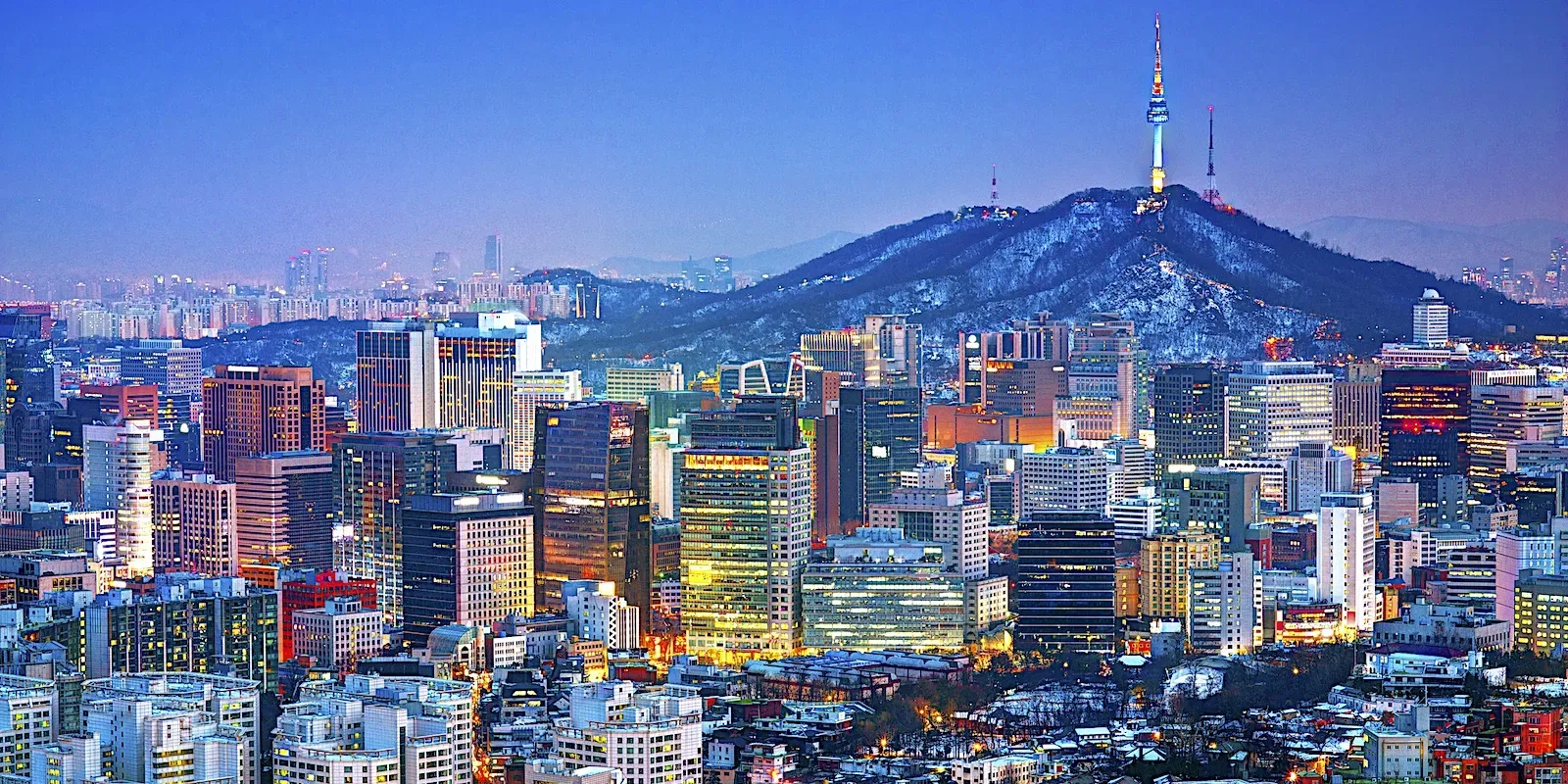
Seoul in a day: what to see
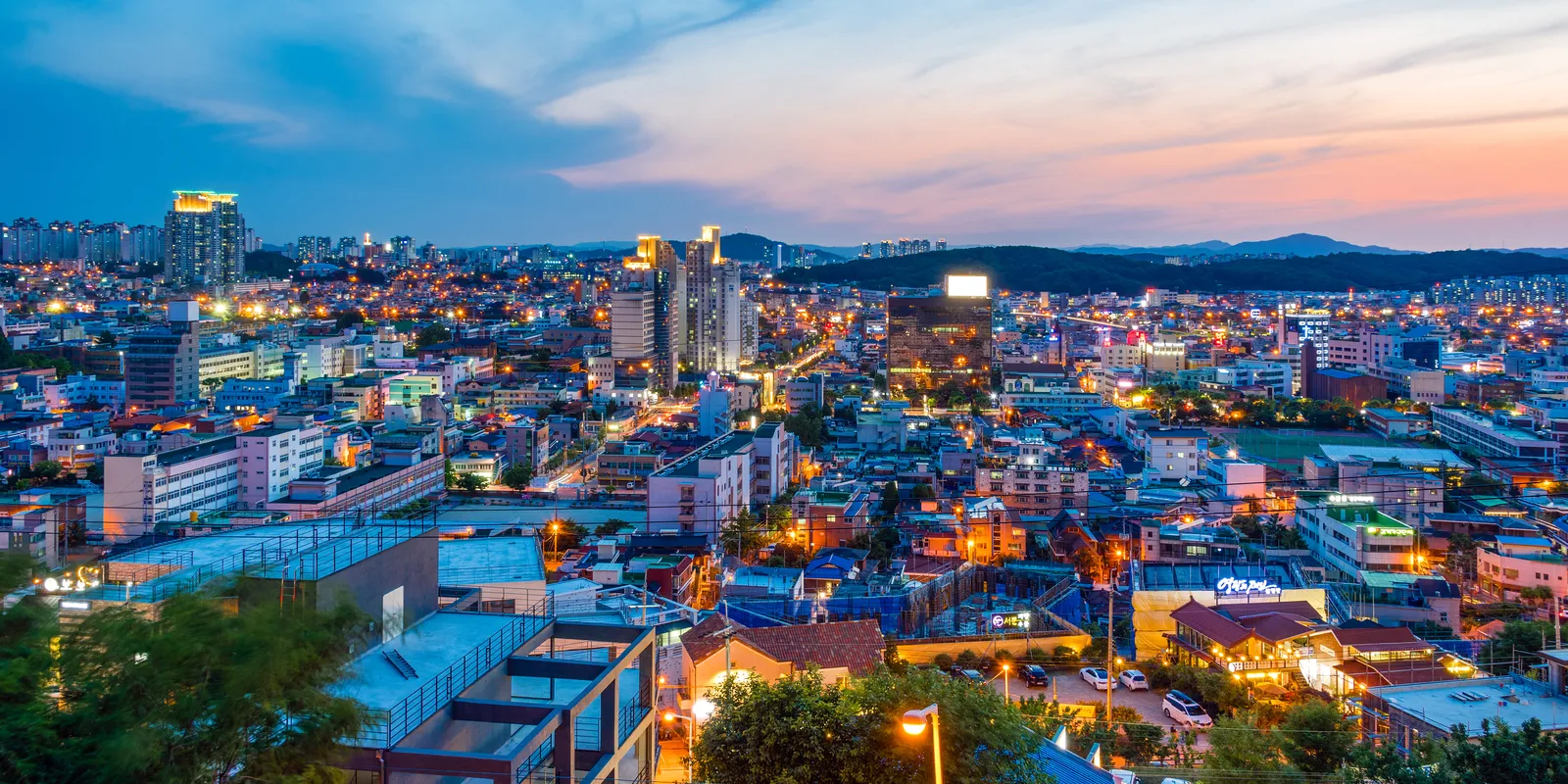
Cheongju: the world's oldest printed book
Wizz Air Abu Dhabi: Why the Gulf Joint Venture Is About to Close
Mahan Air: The Iranian Private Airline Under International Sanctions

Münster Osnabrück Airport: where to stay, areas and recommended hotels
