
Seoul in a day: what to see
Seoul's historic center concentrates around the Gyeongbokgung Palace, with the traditional neighborhoods of Bukchon and Insadong just steps away: it's from here that you should start to organize a day on foot without too much moving around.
In the afternoon the city shifts scale, climbing Namsan mountain for an overview of the metropolis, before closing the evening amid the lights and street food stalls of Myeongdong.
The Gyeongbokgung Palace is the starting point, the largest royal residence of the Joseon dynasty: arriving on time you can watch the changing of the guard ceremony in front of the main gate, performed by actors in traditional costumes complete with banners and drums.
Behind the palace extends Bukchon Hanok Village, a hilly district of traditional wooden houses, the hanok, many of which are still inhabited: the narrow streets winding between curved roofs also offer several panoramic glimpses of the modern city that surrounds the district.
Heading east you reach Insadong, the street historically linked to the art and antiques trade: galleries, ceramic shops and teahouses follow one another along the main street and side alleys, also a good spot for a lunch break in one of the many traditional establishments in the area.
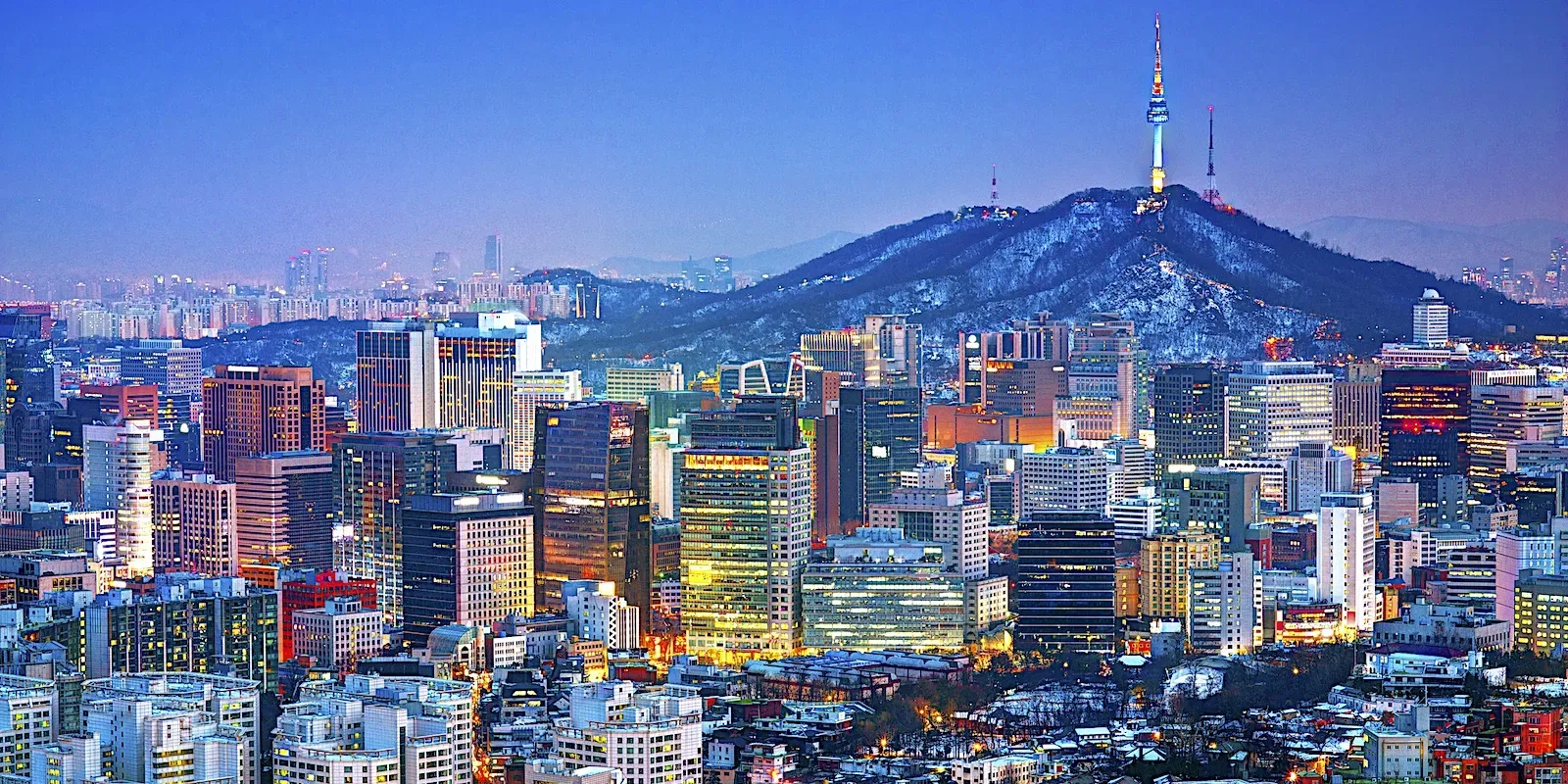
In the early afternoon the day moves towards Namsan mountain, reachable by funicular followed by a brief walk: at the top is the N Seoul Tower, the telecommunications tower that has become one of the city's symbols, whose observatory provides a view over the expanse of skyscrapers that stretches to the horizon in every direction.
Along the fence at the foot of the tower thousands of locks left by visitors now cover entire walls, becoming themselves part of the landscape of the place.
For the evening, the descent towards Myeongdong leads to one of the city's most frequented commercial districts: the pedestrian streets fill with Korean street food stalls, from tteokbokki skewers to fried stuffed sweets, while the windows of cosmetics shops animate the district until late evening.
Seoul tells itself well, in a few hours, between the Gyeongbokgung Palace, the traditional neighborhoods of Bukchon and Insadong and the view from above on Mount Namsan tells well the contrast between historic Seoul and contemporary Seoul, before closing among the lights of Myeongdong.
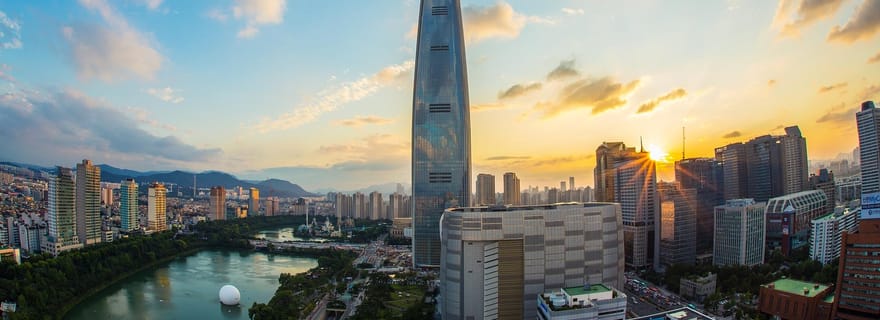
Quarters like Gangnam, on the south bank of the Han River, and Gwangjang Market with its even more ample offering of street food remain left out, both more suited to those with a second day at their disposal. From the royal palace to the lights of Myeongdong, however, you already grasp well the contrast between tradition and modernity that defines Seoul.
Guided tours and experiences in Seoul

Related articles
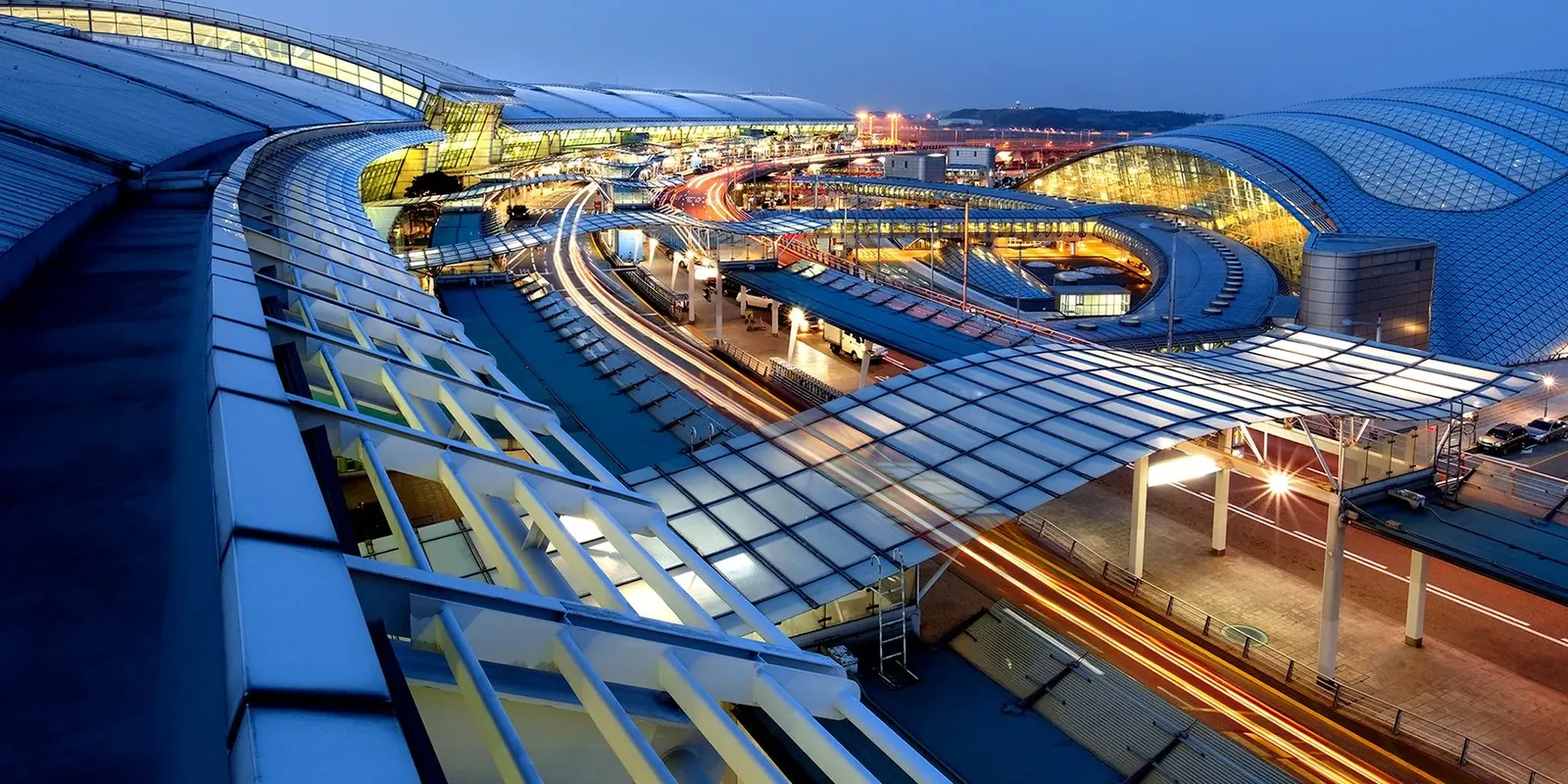
Incheon International Airport
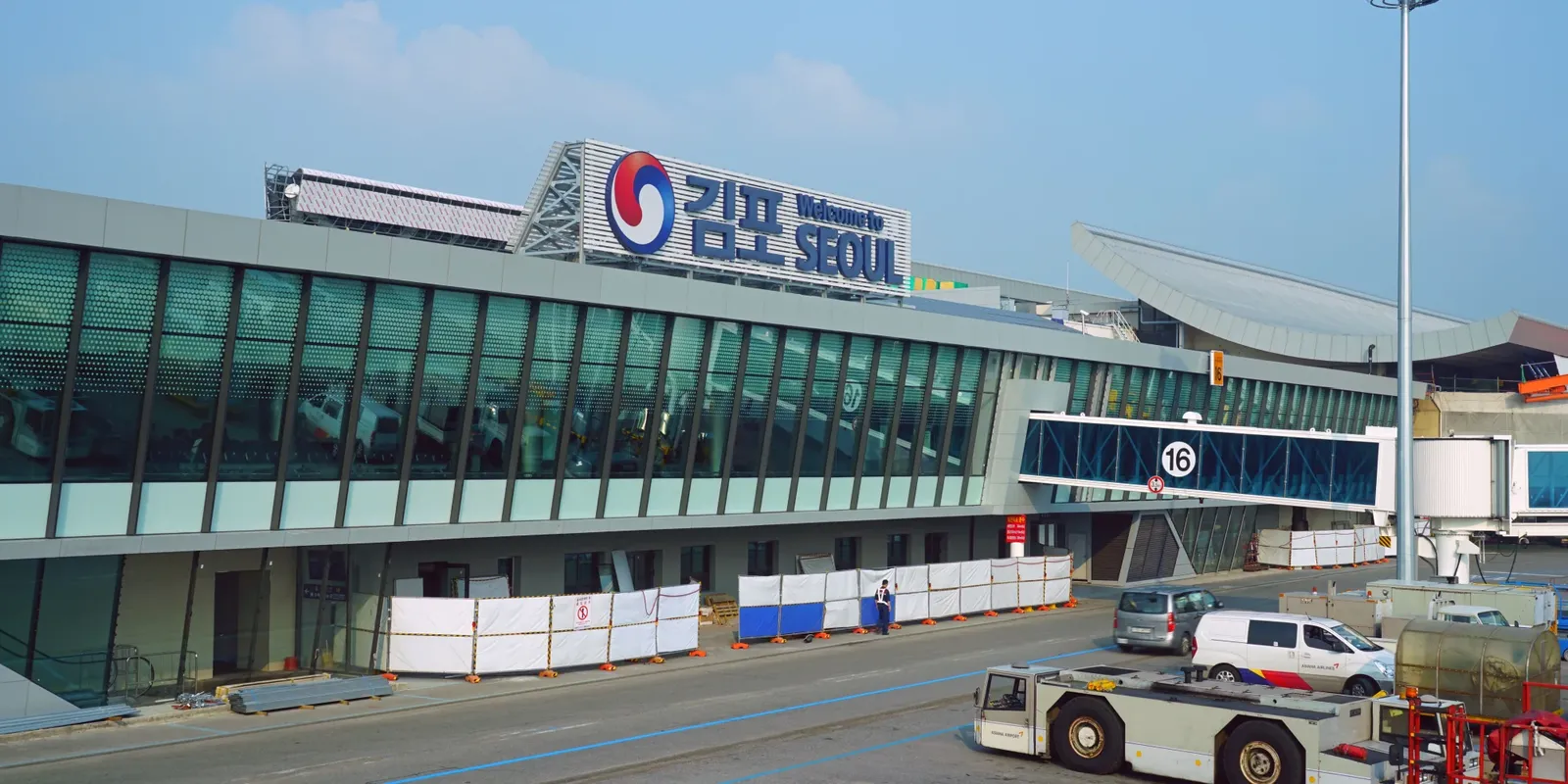
Gimpo International Airport

Incheon International Airport: where to stay, areas and recommended hotels

Gimpo International Airport: where to stay, areas and recommended hotels
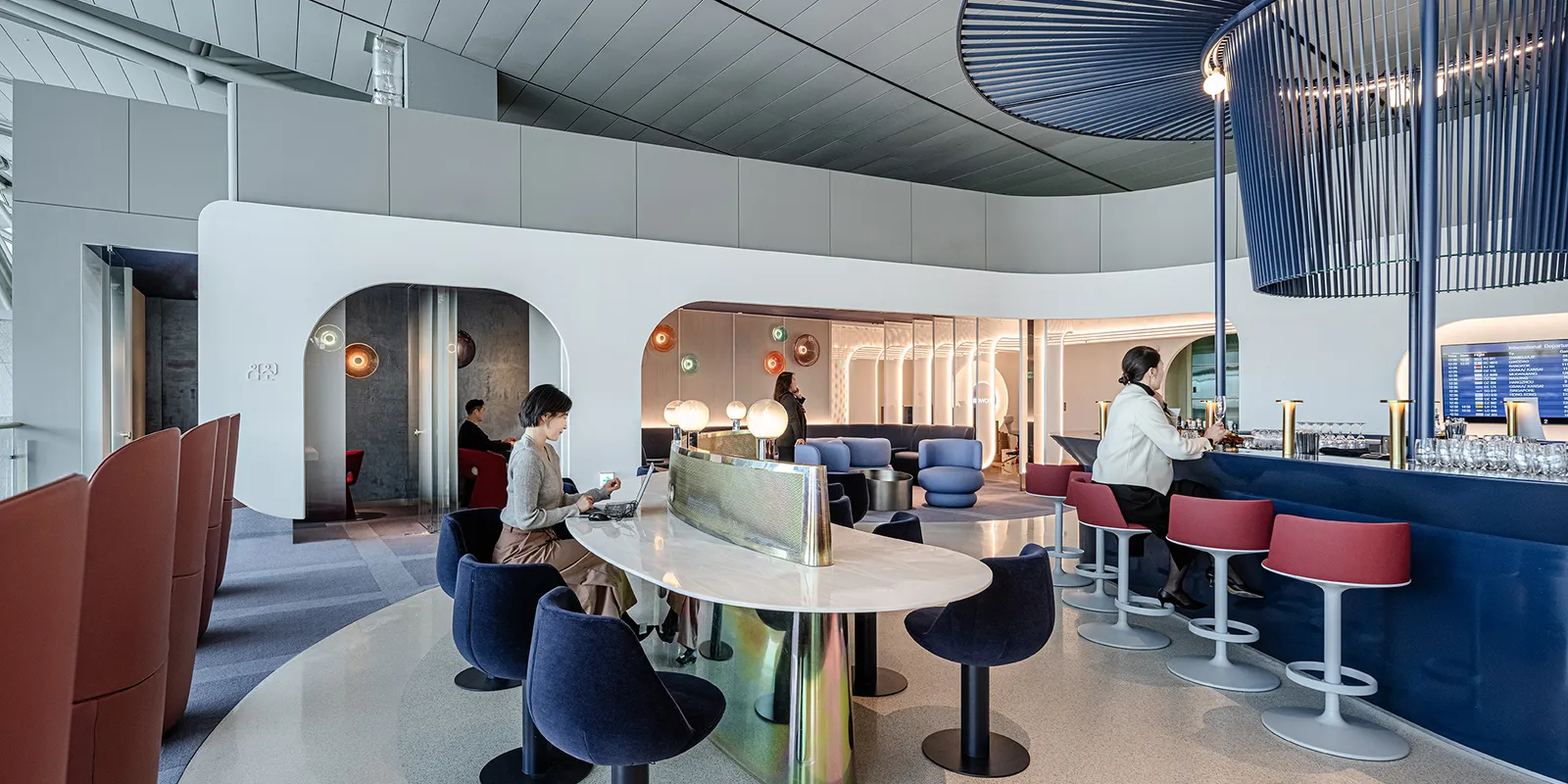
Incheon lounges: which to pick in Terminal 1 or 2
You might also like...
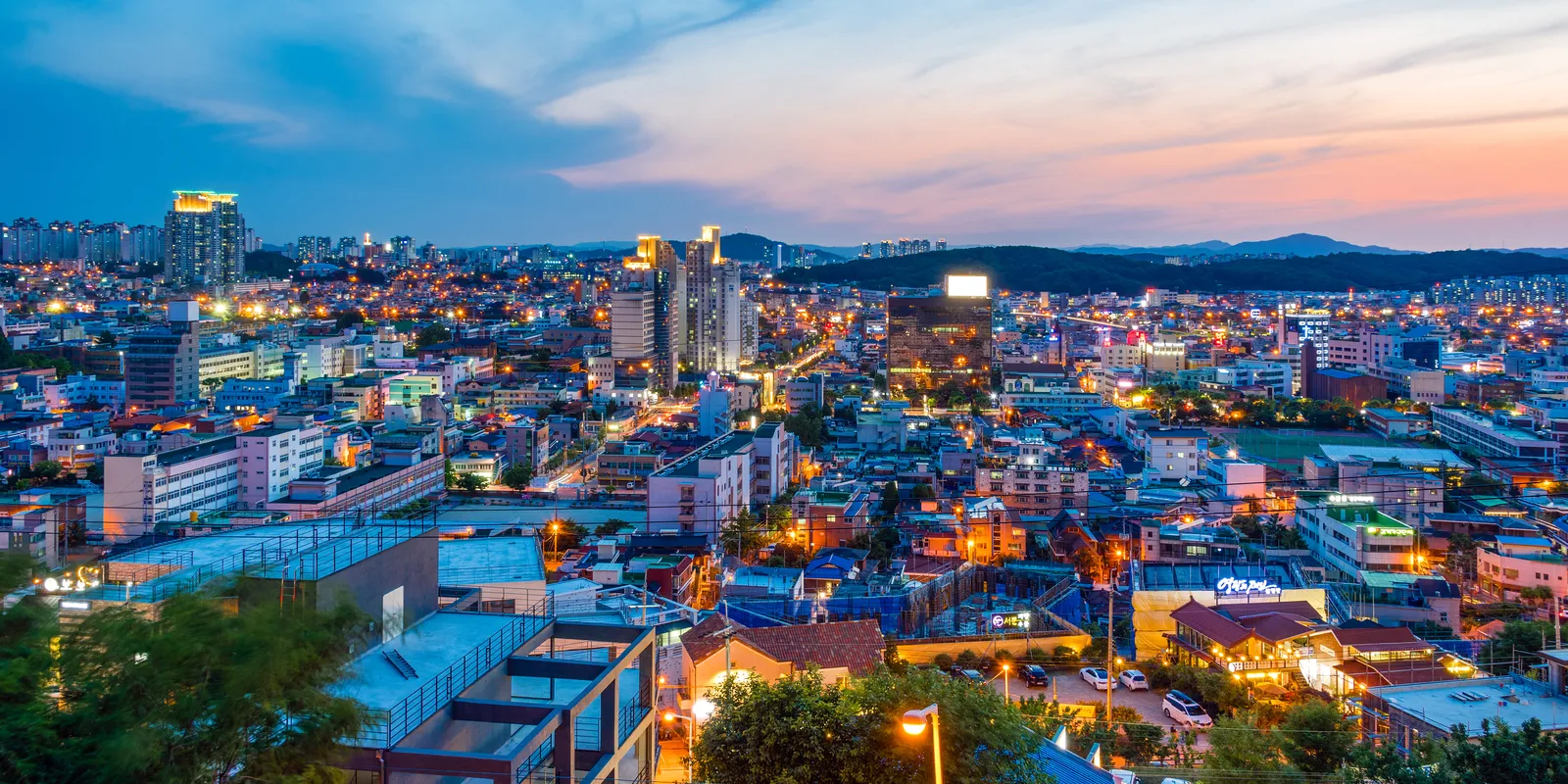
Cheongju: the world's oldest printed book
Gunsan: Japanese colonial architecture on the Yellow Sea

Santa Barbara Municipal Airport: where to stay, areas and recommended hotels
Airport maps: navigate the terminals like a pro

How to avoid getting your suitcase damaged
