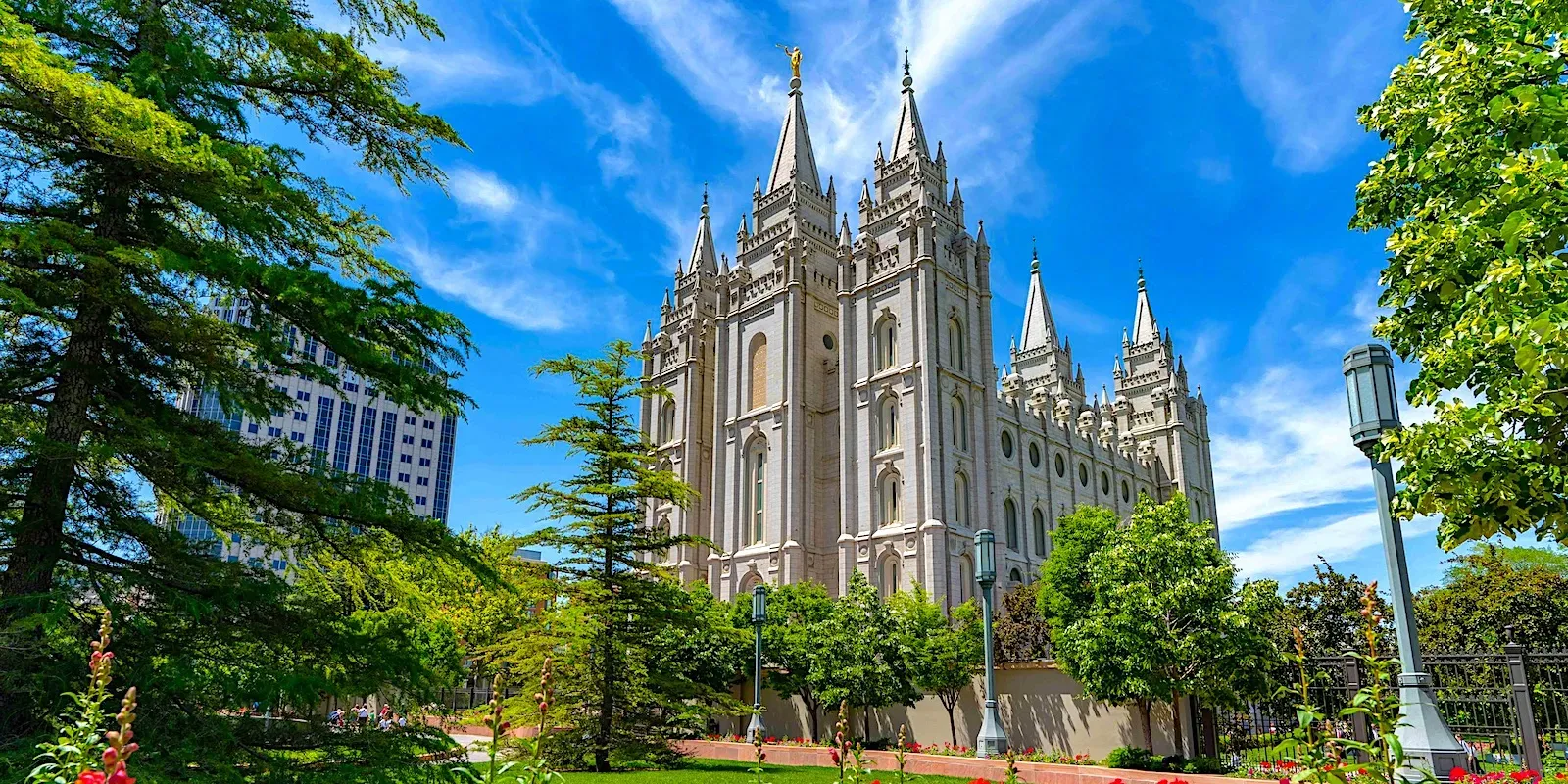

Salt Lake City: temple, mountains and salt lake
Founded in 1847 by Mormon pioneers fleeing religious persecution, Salt Lake City remains the administrative center of The Church of Jesus Christ of Latter-day Saints, framed by the snow-capped peaks of the Wasatch Mountains.
The historic center is explored on foot, but reaching the lake requires a car.
At Temple Square, a religious complex in the heart of the city, the oval-shaped Tabernacle hosts concerts by its famous choir, while the white granite Temple, completed in 1893 after forty years of construction, remains accessible only to church members.
The Utah Capitol, perched on a hill north of downtown, offers from its copper dome a complete view over the city's orthogonal grid, deliberately designed from the beginning with unusually wide streets to accommodate ox-drawn wagons.
The Natural History Museum of Utah, on the university campus in the eastern hills, displays dinosaur skeletons discovered in the same desert basins throughout Utah, alongside a section dedicated to the region's native peoples.
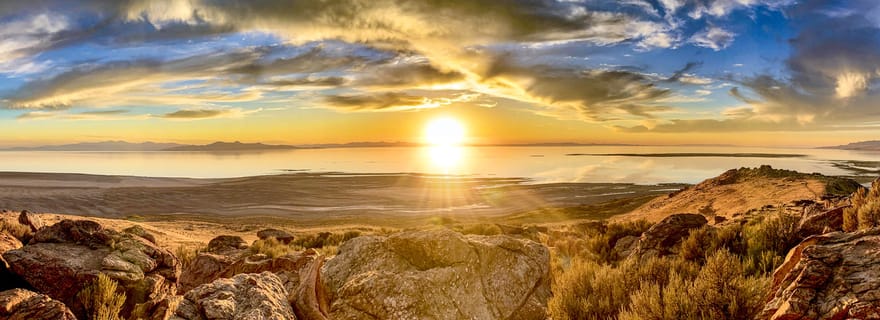
The Great Salt Lake, remnant of a far more extensive ancient glacial lake, has salinity in some zones exceeding that of the ocean, making swimming comparable to the Dead Sea.
The extremely wide streets of the original grid, designed to turn wagons pulled by oxen, remain useful today simply for the automobile traffic the pioneers could not have imagined.
The Great Salt Lake, just minutes from that same grid, reminds us that the choice to stop here was far from random: the pioneers were seeking a place no one else would want.
Guided tours and experiences in Salt Lake City
Related articles

You might also like...
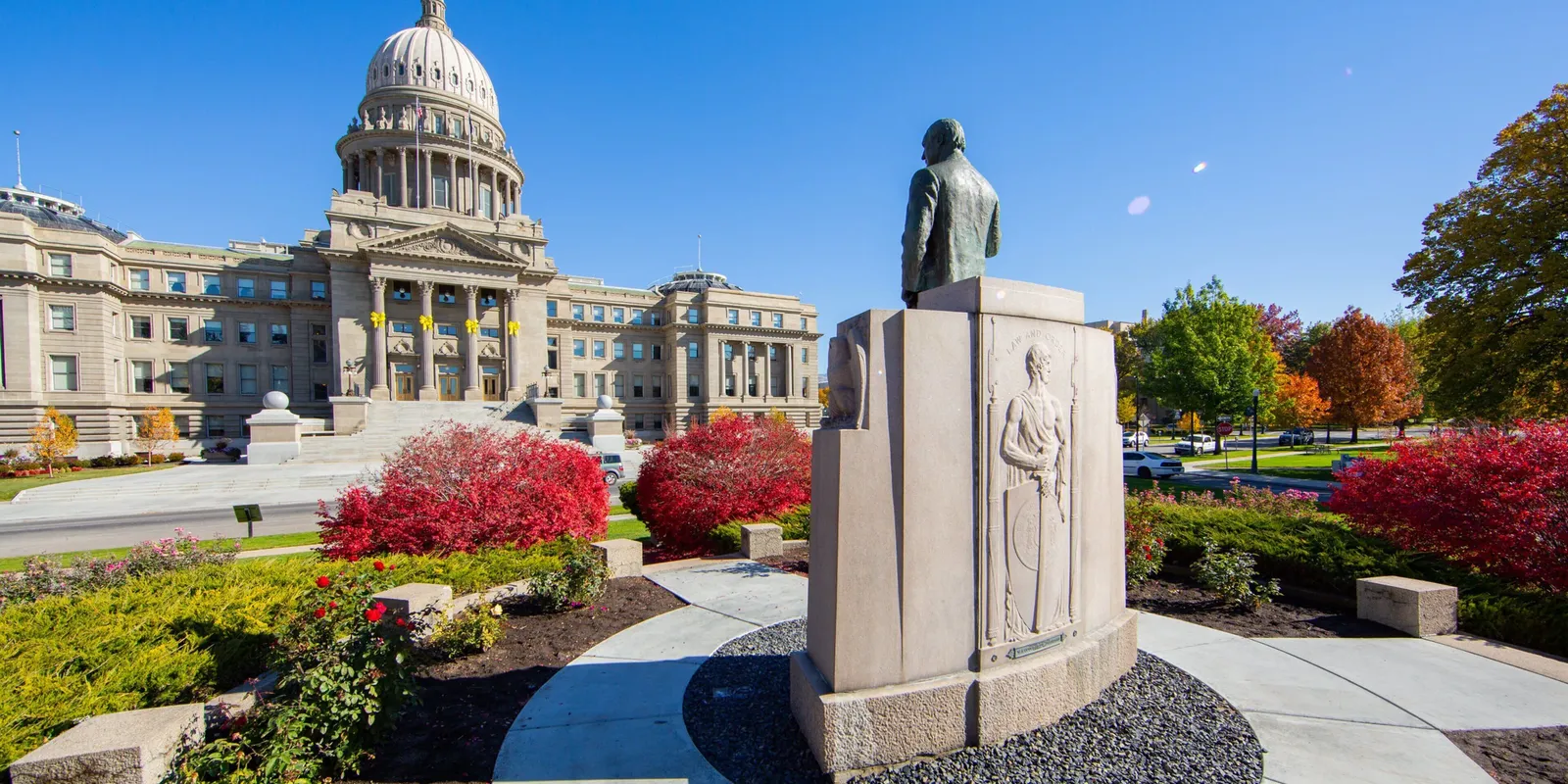
Boise: sand dunes in the heart of Idaho
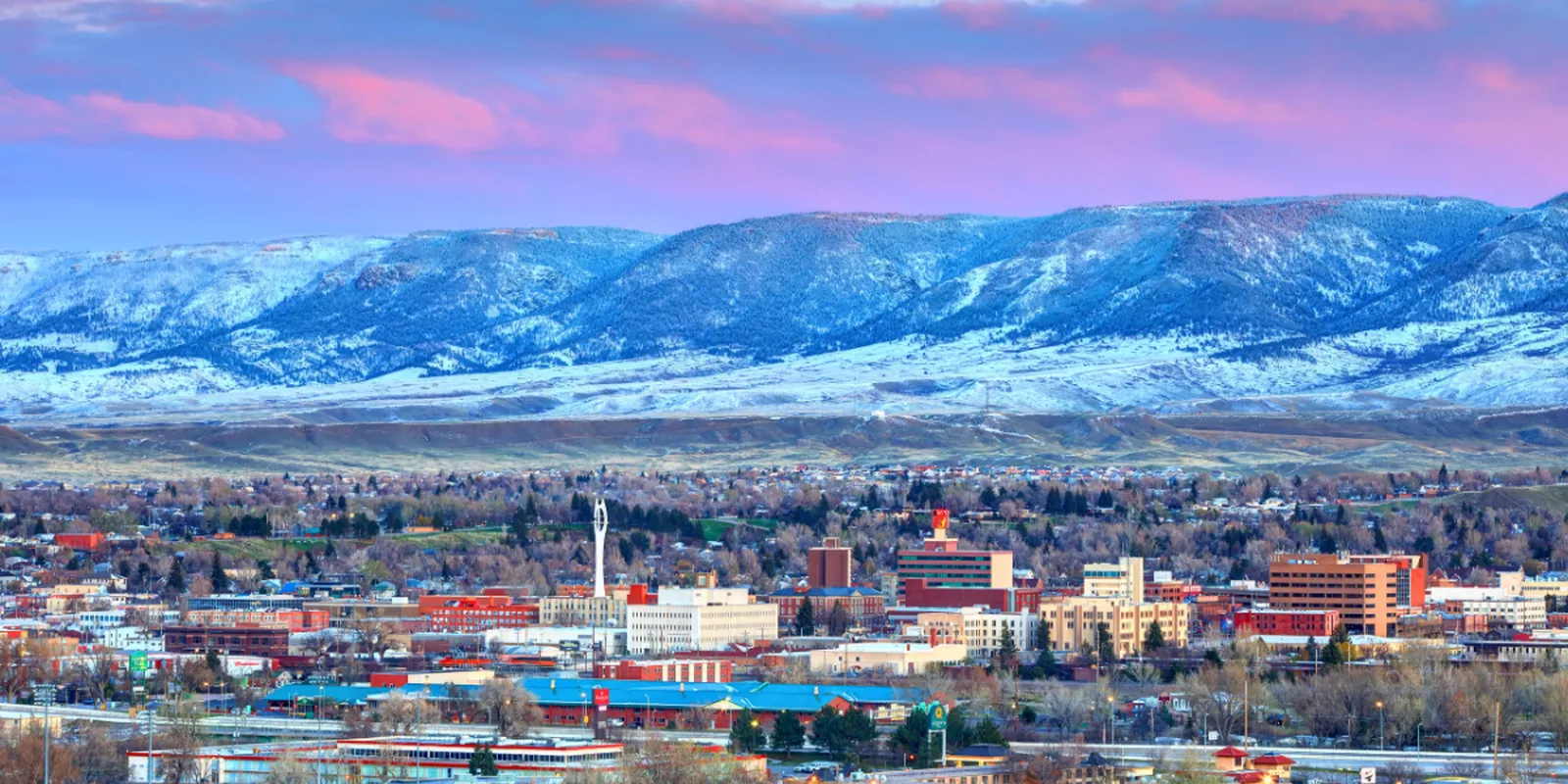
Casper: on the pioneers' trail through Wyoming

Mo i Rana Airport, Røssvoll: where to stay, areas and recommended hotels

Wick Airport: where to stay, areas and recommended hotels
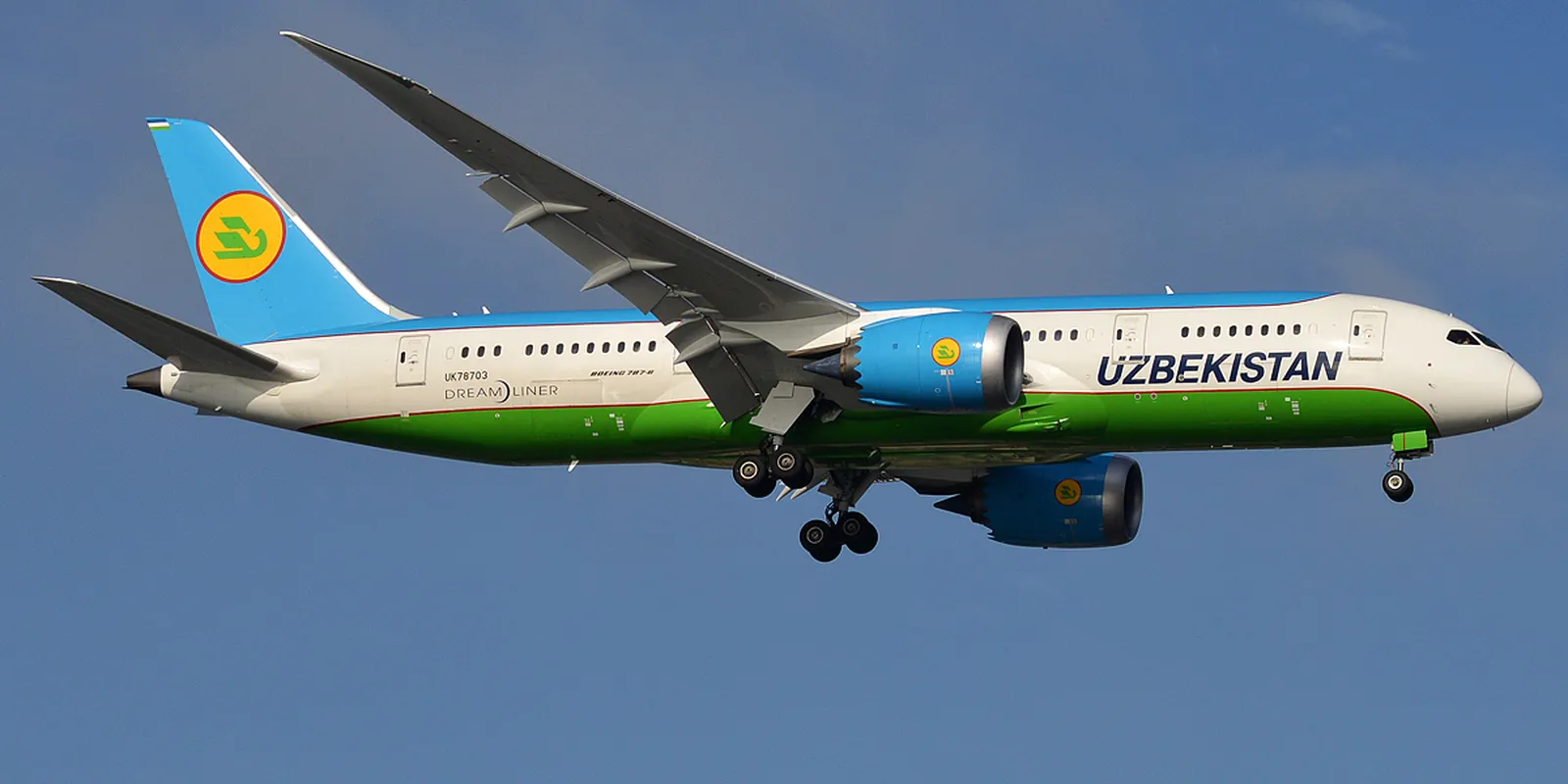
Uzbekistan Airways: The Boeing 787 Fleet and the Network from the Tashkent Hub