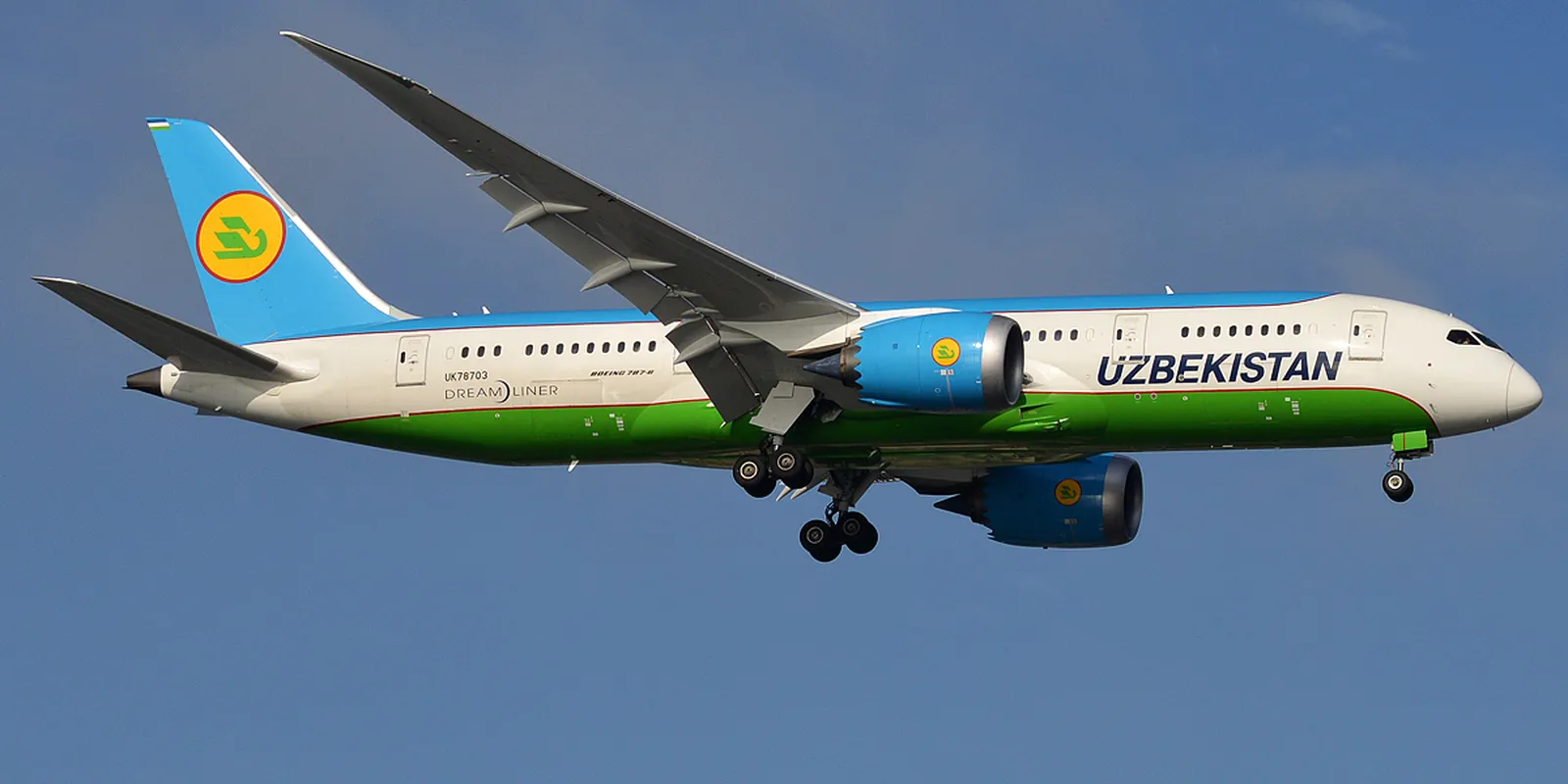
Uzbekistan Airways: The Boeing 787 Fleet and the Network from the Tashkent Hub
Born in 1992 after the collapse of the Soviet Union as the heir to the Uzbek component of Soviet civil aviation, Uzbekistan Airways remains the state flag carrier, with its hub in Tashkent. It works both as a domestic connector between geographically dispersed Uzbek cities and as a long-haul bridge between Europe, Russia and South and East Asia.
History and positioning
After independence in 1991, the heir to the Uzbek component of Soviet civil aviation kept its status as a state carrier even when a later reorganization split airport management, ground handling and the actual flying business into separate entities. Formally founded in 1992, Uzbekistan Airways remains today the flag carrier, with a dual role: domestic connector between geographically dispersed Uzbek cities and long-haul bridge between Europe, Russia and South and East Asia, a position the country occupies naturally along the ancient Silk Road.
The fleet
Since the mid-2000s the fleet, formerly based on Soviet-era Ilyushins and Tupolevs, has modernized around the Boeing 787-8 Dreamliner for long-haul, alongside Boeing 767s and an Airbus A320 family for regional and domestic routes: one of the most up-to-date widebody fleets among the former Soviet flag carriers, the result of a renewal program launched precisely to support long-haul expansion.
Routes and network
The domestic network links Tashkent to Samarkand, Bukhara, Nukus and Fergana, cities that would otherwise require long transfers by road or rail, while on long-haul international routes the airline flies as far as New York JFK, in addition to an extensive regional network across Russia, the Middle East, South Asia and East Asia that exploits Uzbekistan's geographic position as a junction between these markets.
On board and fares
The positioning remains that of a full-service carrier, with checked baggage included in the base Economy fare and a Business cabin on widebody routes, unlike the private low-cost competitor Qanot Sharq, born after the partial liberalization of the Uzbek air market in recent years.
What passengers say
- Cabin comfort on the 787 judged good on long-haul sectors.
- Convenient connections via Tashkent between Europe/Russia and South/East Asia.
- Domestic network useful for reaching the historic Silk Road cities without long road transfers.
What they flag as limits
- Soviet-era aircraft still in use on some secondary domestic routes.
- English-language customer service judged inconsistent by international travelers.
- Online fare transparency lower than that of Western carriers.
Uzbekistan Airways is a sensible choice for those who need to connect via Tashkent between Europe or Russia and South or East Asia, especially on the sectors operated with the 787. It is less suitable for those booking a secondary domestic route, where an older-generation aircraft may still turn up. It is worth checking the aircraft type at booking on domestic legs, because the difference in comfort between a 787 and an older model on the same airline is considerable.
You might also like...

Kalmar Airport: where to stay, areas and recommended hotels
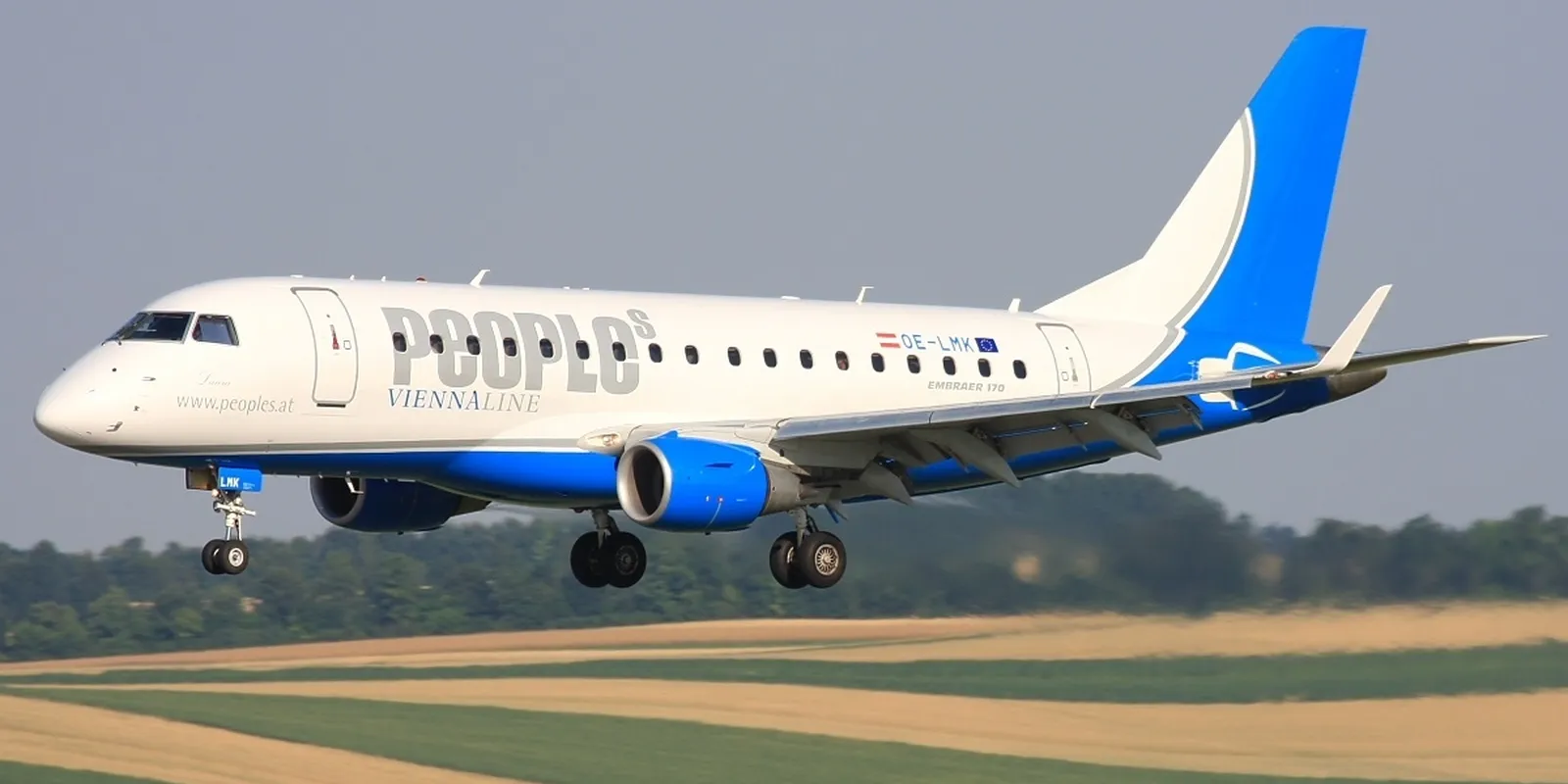
People's Viennaline: The Tiny Austro-Swiss Airline and the Routes It Really Flies

Paro Airport: where to stay, areas and recommended hotels
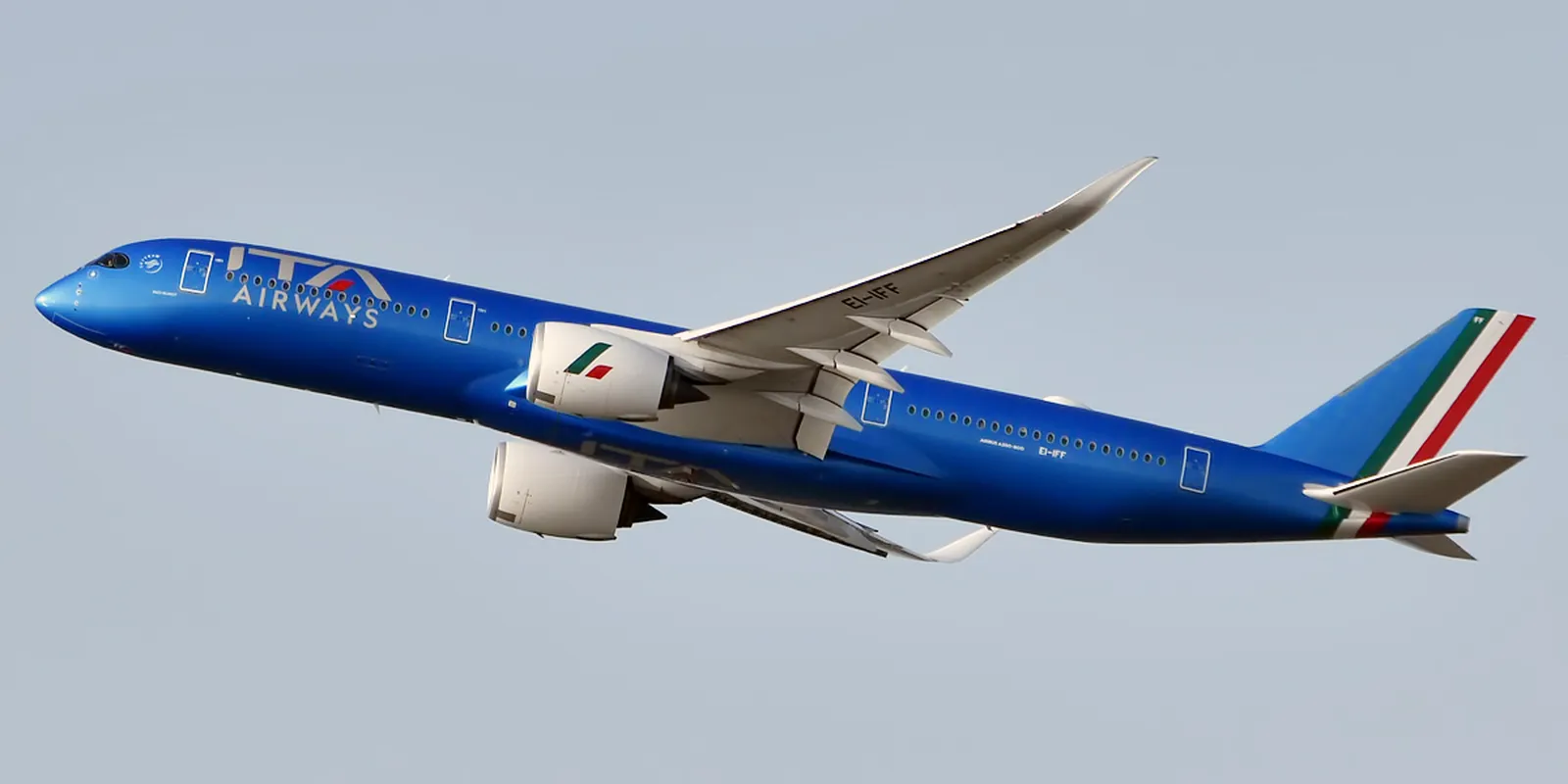
ITA Airways in 2026: The New Fleet, the Move to Lufthansa and What Passengers Really Say

How to prepare your pet for its first flight