
Santa Cruz: the gateway to Bolivia's Jesuit missions
Bolivia's most populous city, Santa Cruz de la Sierra remains the starting point to reach the UNESCO-heritage Jesuit missions of the Chiquitania.
Taxis and local buses remain the most common way to get around the city.
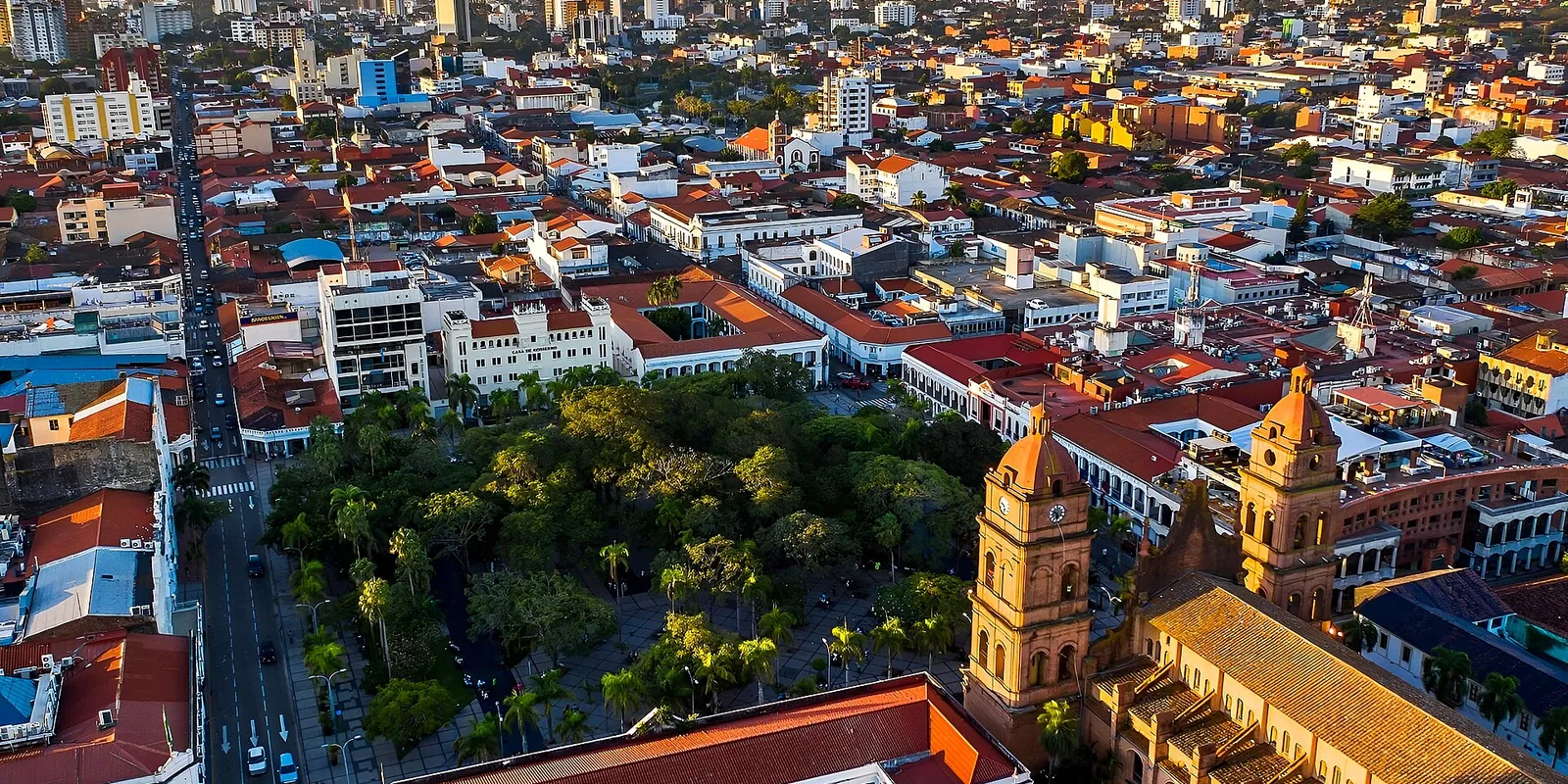
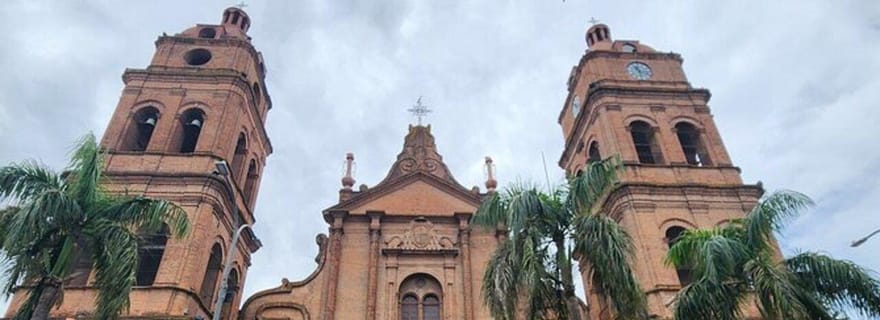
The Santa Cruz Metropolitan Cathedral Basilica, on the main plaza, houses a museum of colonial sacred art in its underground crypt.
A short walk away, the four concentric rings that structure the colonial historic center, still visible in the city's urban layout, reflect the original Spanish design of the city.
Continuing inland, you reach the Jesuit Missions of Chiquitos, a UNESCO World Heritage site, with wooden carved churches built by Jesuits in the seventeenth century alongside indigenous populations.
As evening falls, the Equipetrol neighborhood comes alive with restaurants and venues in the city's more modern area.
The Jesuit Missions of Chiquitos remain a rare example of colonial religious architecture built in wood rather than stone, preserved intact thanks to the geographic isolation of the region after the Jesuits' expulsion in 1767.
Santa Cruz, once a small colonial town, has become in recent decades the primary economic engine of Bolivia thanks to intensive agriculture on the surrounding plains, surpassing the capital La Paz in population.
Guided tours and experiences in Santa Cruz

Related articles

You might also like...
Sucre: the white capital nobody visits first

Uyuni: the world's largest mirror
Aer Lingus: Ireland's Flag Carrier Between the IAG Group and North Atlantic Routes

Dresden Airport: where to stay, areas and recommended hotels

Hewanorra International Airport: where to stay, areas and recommended hotels