Sucre: the white capital nobody visits first
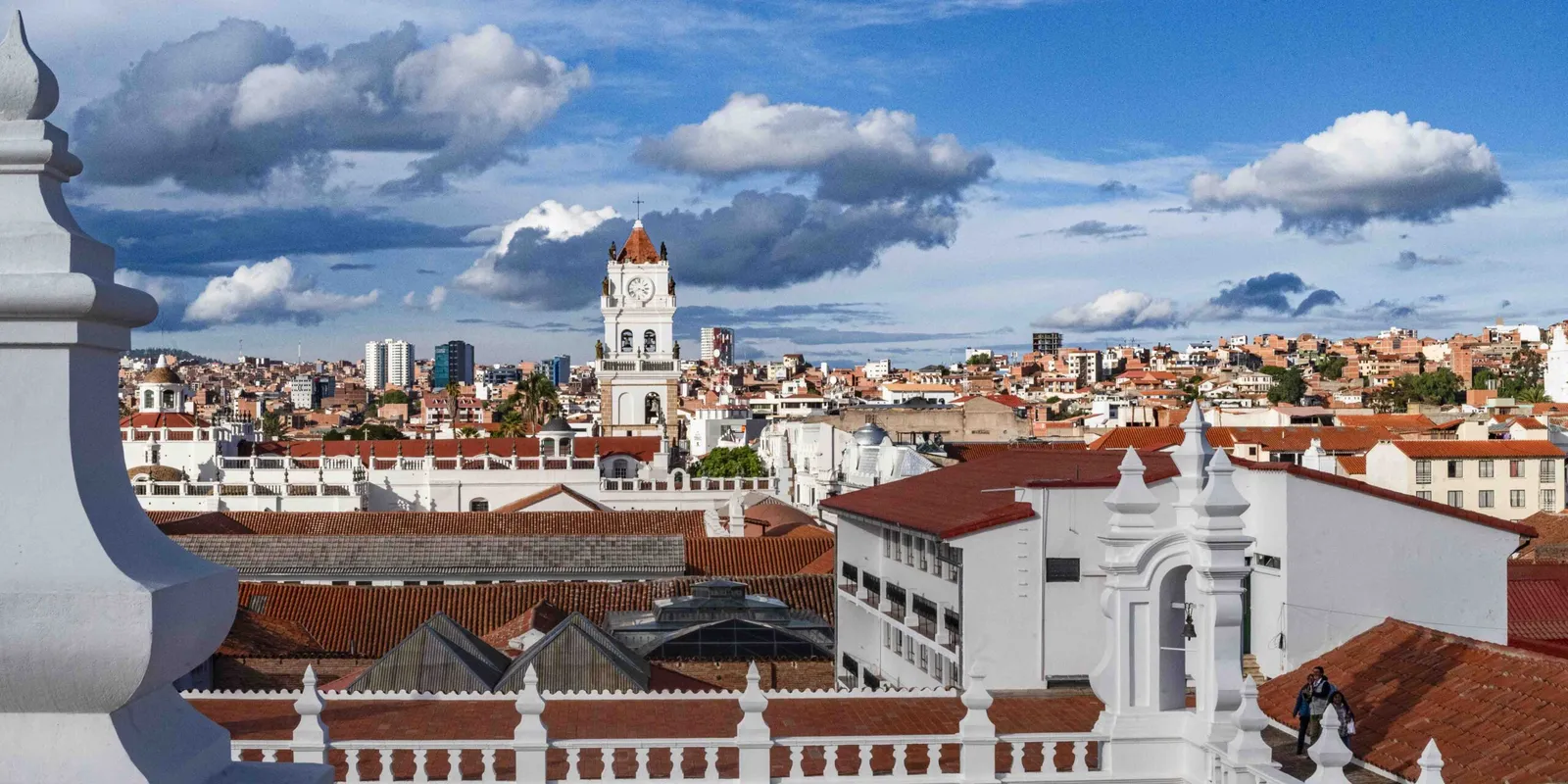
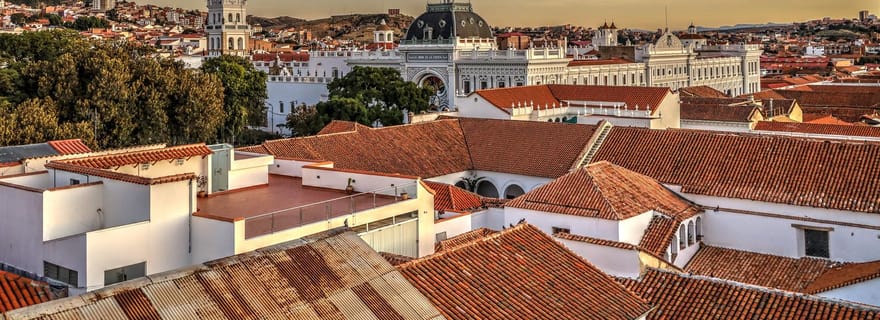
Constitutional capital of Bolivia, often overlooked by visitors headed to La Paz, Sucre preserves the best-preserved whitewashed colonial centre in the entire country.
The white centre, constitutional capital often neglected by travellers, is easily explored on foot.
The House of Liberty, where the act of Bolivian independence was signed in 1825, preserves the original document and portraits of the nation's founding fathers.
A short walk away, the Cathedral of Sucre, overlooking Plaza 25 de Mayo, houses one of the continent's richest collections of colonial silverware.
Continuing, you reach the Cretaceous Park, where a cement quarry accidentally exposed thousands of dinosaur footprints on a vertical rocky wall.
As evening falls, the city's covered markets sell traditional textiles handwoven by indigenous communities of the surrounding region.
Bolivia officially maintains two capitals: Sucre as the constitutional and judicial seat, La Paz as the seat of government and executive power, a division stemming from an early twentieth-century civil war.
The footprints in Cretaceous Park, discovered only in the 1990s during quarrying operations at a cement factory, remain among the most numerous and best-preserved on a single surface in the world.
Guided tours and experiences in Sucre
Related articles

You might also like...

Uyuni: the world's largest mirror
Santa Cruz: the gateway to Bolivia's Jesuit missions

Flagstaff Pulliam Airport: where to stay, areas and recommended hotels

Air Changan: What to Know About One of China's Lesser-Known Regional Airlines
Guilin Liangjiang International Airport: where to stay, areas and recommended hotels